Are you on the hunt for the perfect camera to capture your travel adventures? Imagine the thrill of revisiting your trips through stunning photos that tell your unique story.
Choosing the right travel photography camera can make this dream a reality. But with so many options out there, how do you find the one that suits your needs and budget? In this guide, you’ll discover the top contenders that promise to enhance your photography skills.
Get ready to explore the features that matter most and learn how to make a choice that ensures your travel memories are captured in the best light. Keep reading to find out which camera could become your trusty travel companion.
Key Features For Travel Cameras
Choosing the best travel photography camera means looking for specific features. These features help you take great pictures while on the move.
Travel cameras should be easy to carry and work well in many situations. Let’s explore the key features to find the right one for your trips.
Portability And Weight
Travel cameras must be light and easy to carry. Heavy cameras can slow you down and tire your arms.
Look for compact designs that fit in your bag. A small camera is better for quick shots and long walks.
Image Quality And Sensor Size
Good image quality is important for travel photos. A larger sensor captures more light and detail.
Cameras with bigger sensors make clearer pictures in low light. This helps during sunsets or indoor shots.
- Full-frame sensors give the best quality but can be big and costly
- APS-C sensors balance size and quality well
- Micro Four Thirds sensors offer smaller cameras with decent quality
Battery Life
Long battery life is key for travel cameras. You may not always find a place to charge.
Choose a camera that can take many shots on one charge. This lets you shoot all day without worry.
- Look for cameras with at least 300 shots per charge
- Extra batteries are useful for long trips
- Consider USB charging for easy power on the go
Lens Versatility
Travel cameras with versatile lenses can capture many types of scenes. From wide landscapes to close-up portraits.
Interchangeable lenses offer more options but add weight. Fixed lenses keep cameras small and simple.
- Zoom lenses cover many distances without changing lenses
- Prime lenses often give sharper images but less zoom
- Consider a lens that fits your travel style and subjects
Durability And Weather Resistance
Travel cameras face different weather and rough use. A durable camera lasts longer on trips.
Look for weather-sealed bodies that resist dust and rain. Strong materials protect the camera from damage.
- Weather resistance lets you shoot in rain or dusty places
- Shockproof designs help against drops and bumps
- Metal bodies are more durable than plastic ones
Top Mirrorless Cameras For Travel
Travel photography needs a camera that is light and easy to carry. Mirrorless cameras fit this need well. They offer high image quality in smaller bodies.
Many travelers want a camera that works well in many situations. Mirrorless models provide fast focus and good video features. They are a popular choice for travel.
Compact Models With High Performance
Compact mirrorless cameras are easy to pack and carry on trips. They do not weigh much but still take sharp photos. These models suit travelers who want simple gear.
- Sony Alpha a6400 is small with fast focus.
- Fujifilm X-E4 offers good colors in a pocketable size.
- Canon EOS M50 Mark II is light and user-friendly.
Full-frame Vs Aps-c Options
Full-frame cameras have bigger sensors that capture more detail. They work well in low light and give a wider view. These cameras are usually heavier and cost more.
APS-C cameras have smaller sensors but still deliver great quality. They are lighter and more affordable. Many travelers pick APS-C for balance of size and performance.
| Sensor Type | Size | Weight | Cost | Best For |
|---|---|---|---|---|
| Full-Frame | Large | Heavier | Higher | Low light, wide shots |
| APS-C | Smaller | Lighter | Lower | Travel ease, good quality |
Popular Brands And Models
Many brands make mirrorless cameras for travel. Some focus on size, others on image quality. Choosing a brand depends on what you need in a camera.
- Sony: Known for fast autofocus and good video. Models like a7C and a6400 are popular.
- Fujifilm: Offers great color science. X-T30 and X-E4 are well-liked.
- Canon: Good for beginners with easy menus. EOS M50 Mark II and R6 are common choices.
- Nikon: Strong image quality and handling. Z50 and Z6 II fit travel needs.
Best Dslr Cameras For Travel
Travel photography needs a camera that is reliable and easy to use. DSLR cameras are popular choices for many travelers. They offer good image quality and strong performance.
In this guide, we look at the best DSLR cameras for travel. We also discuss their benefits and which lenses work best.
Advantages Of Dslrs On The Road
DSLR cameras have larger sensors than most compact cameras. This means better pictures in low light. They also have fast autofocus and quick shooting speed.
DSLRs are durable and can handle tough travel conditions. You can change lenses for different types of shots. These features help you take better photos while traveling.
- Better picture quality in different lights
- Fast autofocus for moving subjects
- Durable and weather-resistant bodies
- Interchangeable lenses for variety
- Long battery life for all-day shooting
Recommended Models For Travelers
Some DSLR models are especially good for travel. They balance size, weight, and features. These cameras fit well in a travel bag and offer great performance.
- Canon EOS Rebel T8i – Lightweight and easy to use
- Nikon D5600 – Good image quality and touchscreen
- Canon EOS 90D – High resolution and fast autofocus
- Nikon D7500 – Strong low-light ability and fast shooting
- Pentax K-70 – Weather-sealed and budget-friendly
Lens Selection For Versatility
Choosing the right lens is key to travel photography. A versatile lens helps capture landscapes, portraits, and close-ups. Zoom lenses are popular for this reason.
Prime lenses offer sharp images and work well in low light. Many travelers carry one zoom and one prime lens for flexibility. This setup covers most photo needs on trips.
- 18-55mm kit lens – Good for general use
- 24-70mm zoom lens – Covers wide to short telephoto
- 50mm prime lens – Sharp and good in low light
- 70-200mm telephoto lens – For distant subjects
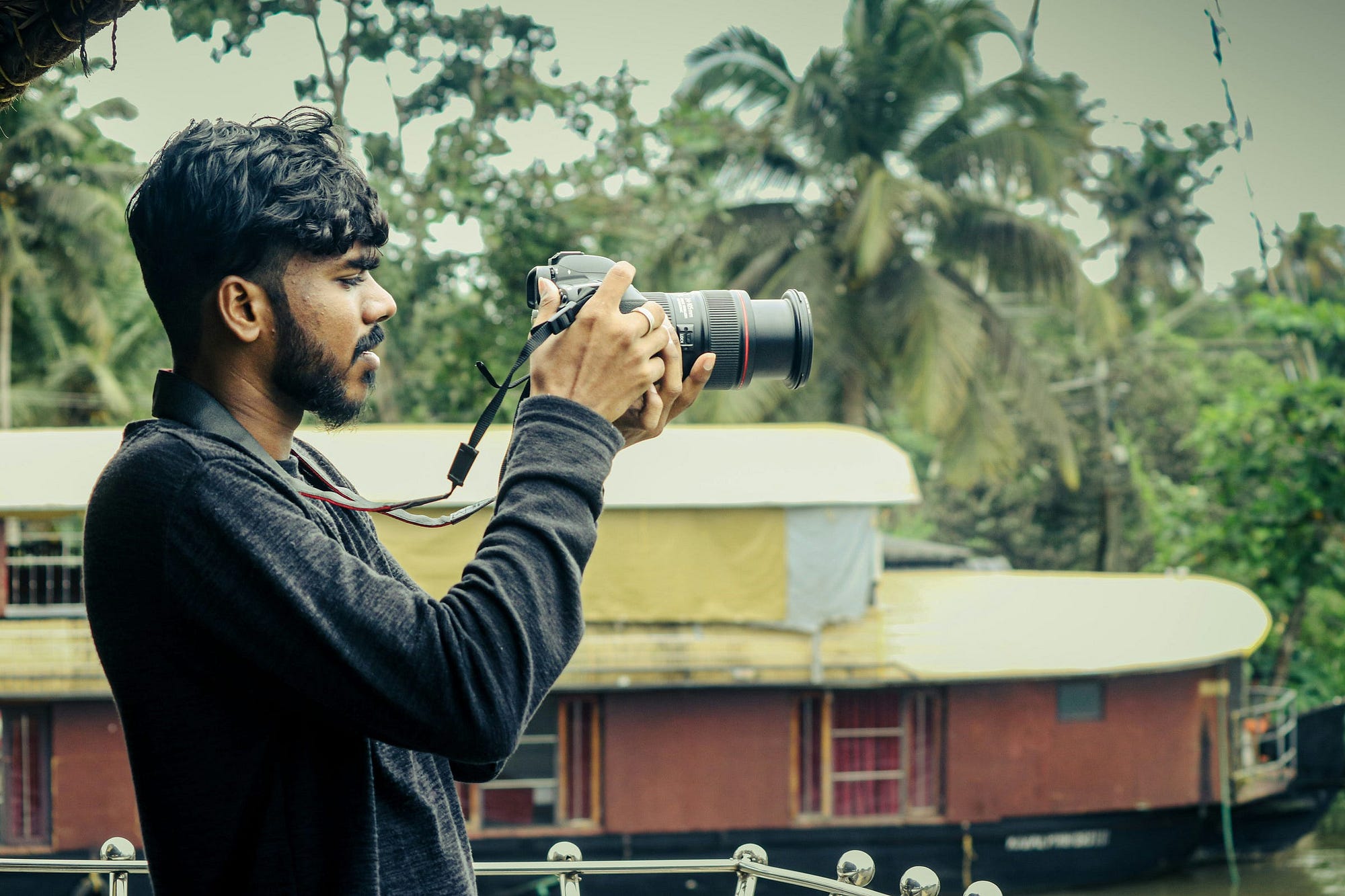
Credit: medium.com
Compact Cameras And Point-and-shoot Options
Travel photography needs a camera that is easy to carry. Compact cameras and point-and-shoot models fit this need. They are small, light, and simple to use.
These cameras allow travelers to capture moments without heavy gear. They work well for quick shots and everyday travel scenes.
High-quality Pocket Cameras
Pocket cameras offer great image quality in a small size. They fit easily in your pocket or bag. Many have large sensors and good lenses.
These cameras are perfect for photographers who want sharp photos without carrying bulky equipment. They often include manual controls for creativity.
Zoom And Autofocus Features
Zoom lets you capture far-away subjects clearly. Good autofocus helps take sharp pictures quickly. These features are important for travel photos.
- Optical zoom keeps image quality high
- Fast autofocus captures moving subjects
- Image stabilization reduces blur from shaking
Many compact cameras combine these features for easy shooting. They help travelers get good photos in many situations.
Ideal Use Cases
Compact and point-and-shoot cameras suit many travel needs. They work well for casual photographers and quick shots.
- City sightseeing and street photography
- Nature walks and outdoor adventures
- Family trips and social gatherings
- Everyday moments and travel journals
They are best when you want a simple camera that fits in your pocket and takes good photos fast.
Smartphone Cameras Vs Dedicated Cameras
Choosing the best camera for travel photography can be hard. Both smartphones and dedicated cameras have good points.
Smartphones are small and easy to carry. Dedicated cameras offer more control and better image quality.
Advances In Smartphone Photography
Smartphones now have strong cameras with many features. They use multiple lenses and smart software to improve photos.
Night modes and AI help take better pictures in low light. High-resolution sensors capture fine details well.
- Multiple lenses for wide, ultra-wide, and zoom shots
- AI scene detection to adjust colors and brightness
- Improved low-light performance with night mode
- High megapixel sensors for sharp images
- Easy sharing through apps and social media
When To Choose A Dedicated Camera
Dedicated cameras work best for serious travel photographers. They offer better lenses and manual controls.
Use a dedicated camera if you want the best image quality or plan to print large photos. They handle fast action and low light better.
- Need for optical zoom and better lenses
- Desire for full manual control over settings
- Taking photos in challenging light conditions
- Wanting RAW files for editing
- Planning professional or large prints
Accessories To Enhance Phone Photography
Several accessories can improve your phone photography. They help capture better images and add creative options.
Tripods, lenses, and lighting tools make a big difference. These are small and easy to carry on trips.
- Clip-on lenses for macro, wide-angle, or telephoto shots
- Portable tripods for stable photos and long exposures
- External LED lights to brighten scenes
- Remote shutter buttons to avoid shake
- Protective cases with grips for better handling
Budget Picks For Travel Photography
Finding the right camera for travel photography can be tough on a budget. It is important to get good quality without spending too much.
This guide covers affordable cameras, used and refurbished options, and how to balance cost and quality well.
Affordable Cameras With Great Performance
Many cameras offer strong features at a lower price. These cameras suit travelers who want good photos but need to save money.
Look for cameras with good image quality, easy controls, and decent zoom or lens options.
- Mirrorless cameras like the Sony Alpha a6000
- Compact cameras such as Canon PowerShot SX740
- Entry-level DSLRs like Nikon D3500
Used And Refurbished Options
Buying used or refurbished cameras saves money and still offers good quality. Many sellers check and fix cameras before selling.
Check the camera’s condition, shutter count, and warranty. This helps avoid problems after purchase.
- Used cameras cost 30% to 50% less than new ones
- Refurbished cameras come with limited warranty
- Buy from trusted stores or websites
Balancing Cost And Quality
It is key to find a camera that fits your budget and still takes sharp, clear pictures. Avoid very cheap cameras with poor image quality.
Think about what features matter most, like size, weight, battery life, and ease of use for travel.
- Set a clear budget before shopping
- Choose cameras with good reviews for photo quality
- Consider accessories cost like extra batteries and memory cards
Essential Accessories For Travel Photography
Travel photography needs more than just a good camera. Accessories help capture better photos and protect your gear. Choosing the right tools makes shooting easier and more fun.
These accessories keep your equipment safe, improve stability, and ensure you never miss a shot. Let’s explore some essential items for travel photographers.
Tripods And Stabilizers
Tripods help keep your camera steady for sharp photos. They are useful in low light or when taking long exposures. Stabilizers reduce camera shake during movement, perfect for video or action shots.
Look for lightweight and compact tripods that fit your travel style. Small stabilizers or gimbals help get smooth video footage on the go.
- Compact tripods are easy to carry
- Flexible tripods can grip uneven surfaces
- Handheld stabilizers help steady videos
- Choose durable materials like aluminum or carbon fiber
Extra Batteries And Memory Cards
Extra batteries keep your camera powered throughout the day. Travel often means long shoots without charging options. Memory cards store your photos and videos. Having spares avoids running out of space.
Carry fully charged batteries and several memory cards. Use high-speed cards for faster data transfer and smooth recording.
- Bring at least two extra batteries
- Use memory cards with large storage capacity
- Choose cards with fast write speeds
- Keep batteries and cards in a safe pouch
Protective Gear And Carrying Cases
Protective gear keeps your camera safe from damage. Cases and bags organize your gear and make transport easier. Look for weather-resistant and padded options to guard against bumps and weather.
Choose bags with compartments for lenses, batteries, and accessories. This helps you find what you need quickly while traveling.
- Padded camera bags protect against drops
- Weatherproof covers shield from rain and dust
- Organized compartments keep gear tidy
- Carry straps make transport comfortable

Credit: happywhenabroad.com
Tips For Capturing Stunning Travel Shots
Choosing the right camera is important for travel photography. A good camera helps you take clear and beautiful photos. Knowing how to use it well is just as important.
This guide shares simple tips to improve your travel photos. Learn how to use composition, lighting, and manual settings. Also, find advice for shooting in different places.
Composition And Lighting
Good composition makes your photos more interesting. Use the rule of thirds by placing the subject off-center. Look for leading lines and natural frames to guide the viewer’s eye.
Lighting changes the mood of your photo. Shoot during golden hours—early morning or late afternoon—for soft light. Avoid harsh midday sun that creates strong shadows.
- Place your subject on one side using the rule of thirds
- Use natural frames like windows or trees
- Shoot in soft light for better colors
- Turn your back to the sun for even lighting
Using Manual Settings
Manual settings give you control over your camera. Adjust shutter speed, aperture, and ISO to fit the scene. This helps you capture sharp and well-lit photos.
Use a fast shutter speed for moving subjects. Set a low aperture number for blurred backgrounds. Increase ISO in low light but keep it low to avoid grainy photos.
- Shutter speed: faster for action, slower for light trails
- Aperture: low number for blurry background, high for sharp focus
- ISO: keep low in bright light, raise for dark places
Shooting In Different Environments
Each place has unique lighting and weather. Adjust your camera settings to match. For bright beaches, lower ISO and use a small aperture. In forests, use higher ISO and wider aperture.
For city shots at night, use a tripod and slow shutter speed. In rainy weather, protect your camera and use a lens hood to avoid water spots. Always watch your surroundings to find the best angles.
- Bright sun: low ISO, small aperture
- Shade or forests: higher ISO, wider aperture
- Night city: tripod, slow shutter speed
- Rainy weather: protect camera, use lens hood
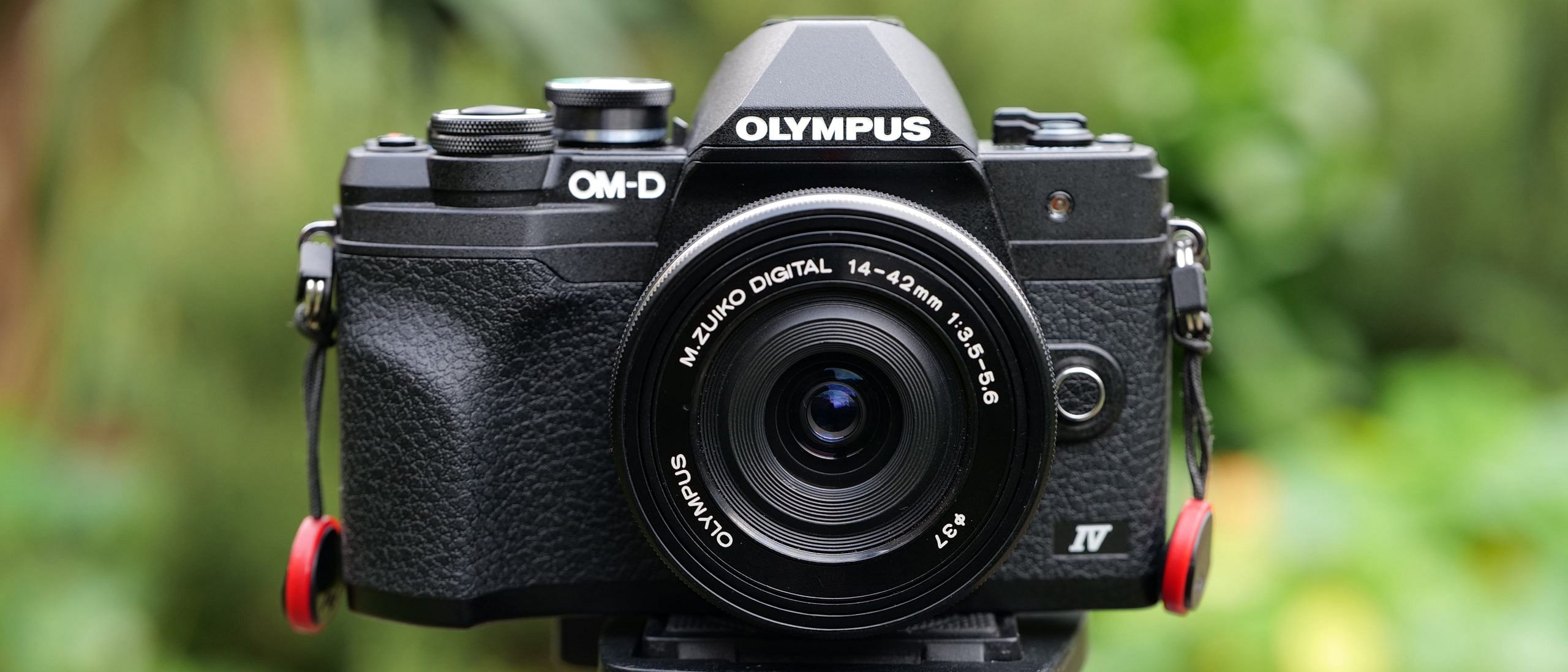
Credit: wanderon.in
Frequently Asked Questions
What Features Make A Camera Best For Travel Photography?
The best travel photography cameras are lightweight, durable, and offer excellent image quality. They should have good battery life and versatile zoom capabilities for diverse scenes.
Which Camera Type Is Ideal For Travel Photographers?
Mirrorless cameras are ideal for travel due to their compact size and high performance. They combine portability with advanced features, perfect for capturing sharp, vibrant images on the go.
How Important Is Camera Weight For Travel Photography?
Camera weight is crucial for travel photography. Lighter cameras reduce fatigue and are easier to carry, allowing photographers to shoot longer and explore more without hassle.
Should I Prioritize Zoom Or Image Quality In A Travel Camera?
Both matter, but image quality takes priority. A camera with good zoom and excellent image quality ensures sharp photos from various distances, enhancing travel photography results.
Conclusion
Choosing the best travel photography camera depends on your needs. Think about size, weight, and picture quality. A good camera should be easy to carry and use. It should capture clear, sharp images in different light. Don’t forget battery life and storage options.
Your budget also plays a big role. Test a few models before deciding. The right camera makes your travel photos special. Happy shooting on your next adventure!