Have you ever wondered how the simple act of clicking a button on your camera captures the beauty of a sunset or the joy of a friend’s laughter? The magic lies in how light travels through your camera.
Understanding this process not only satisfies your curiosity but can also transform the way you take photos. Imagine harnessing the power of light to elevate your photography skills, capturing images that truly resonate. Stay with us as we unravel the fascinating journey of light through your camera, revealing secrets that could change your perspective on photography forever.

Credit: www.reddit.com
Light Entry In Cameras
Light is the main part of taking a picture. It moves through the camera to create images. The camera controls how much light enters to get a clear photo.
Inside the camera, parts like the lens, aperture, and shutter help manage light. They work together to make sure the picture looks right.
Role Of The Lens
The lens focuses light onto the camera’s sensor. It bends the light rays to create a sharp image. Different lenses can change how close or far the subject looks.
Good lenses help capture clear details. They also affect the brightness and sharpness of the photo by controlling light direction.
Aperture And Its Effects
The aperture is a small opening inside the lens. It controls how much light goes into the camera. A bigger aperture lets in more light, and a smaller one lets in less.
Aperture also changes the picture’s focus. A wide aperture makes the background blurry. A small aperture keeps more of the picture sharp.
- Bigger aperture = more light, shallow focus
- Smaller aperture = less light, deep focus
Shutter Mechanism
The shutter opens and closes to let light hit the sensor. It controls how long light enters the camera. This time is called shutter speed.
A fast shutter speed freezes motion. A slow shutter speed lets in more light but can blur moving objects. The shutter helps make the photo bright or dark.
Path Of Light Inside The Camera
Light travels through a camera to create a photo. It moves through different parts inside the camera. Each part changes how the light moves and shapes the image.
Understanding this path helps us see how cameras work. The light goes through lenses, mirrors, and sensors before the picture is made.
Light Reflection And Refraction
Light changes direction when it hits surfaces inside the camera. Reflection makes light bounce off mirrors. Refraction bends light as it passes through lenses.
These changes focus the light to form a clear image. The camera lens uses refraction to bring light together at one point. Mirrors reflect light to guide it inside the camera body.
- Reflection: light bounces off shiny surfaces
- Refraction: light bends passing through glass
- Both help focus light on the sensor
Mirror And Prism Systems
Many cameras use mirrors and prisms to move light. A mirror reflects light from the lens up to the viewfinder. This shows the photographer the exact image.
Prisms change the light path so the image is the right way up. They also help send light to the viewfinder clearly. This system lets you see the scene before taking a photo.
- Mirror reflects light to the viewfinder
- Prism corrects image orientation
- Both parts help photographers frame shots
Image Sensor Exposure
The image sensor catches the light to create a photo. It changes light into electrical signals. These signals become the digital picture on your camera.
The sensor’s exposure time controls how much light it gets. Longer exposure lets in more light for dark scenes. Short exposure works well in bright places.
- Sensor converts light to digital data
- Exposure time controls light amount
- Correct exposure creates clear photos
Image Formation Process
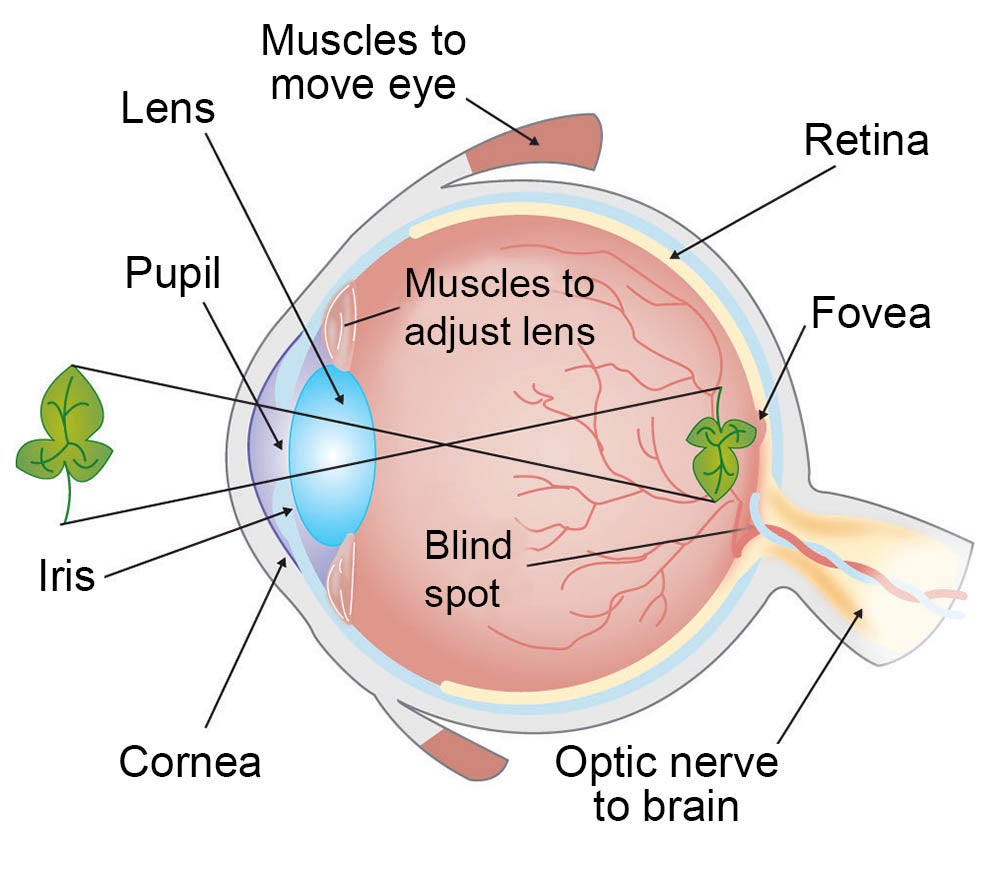
Light travels through a camera lens and forms an image on the sensor. This process captures the scene you want to photograph.
The lens bends the light rays to focus them into a clear picture. The sensor then records this focused light as an image.
Focusing Techniques
Focusing controls how sharp the image appears. Cameras use different ways to focus on the subject.
Auto-focus uses sensors to find the subject and adjust the lens. Manual focus lets you move the lens by hand for precise control.
Depth Of Field Impact
Depth of field means how much of the photo is in focus. A shallow depth of field keeps the subject sharp and blurs the background.
A deep depth of field keeps most of the scene in focus. You can change this by adjusting the lens opening, called the aperture.
- Wide aperture (small f-number) = shallow depth of field
- Narrow aperture (large f-number) = deep depth of field
Effect Of Sensor Size
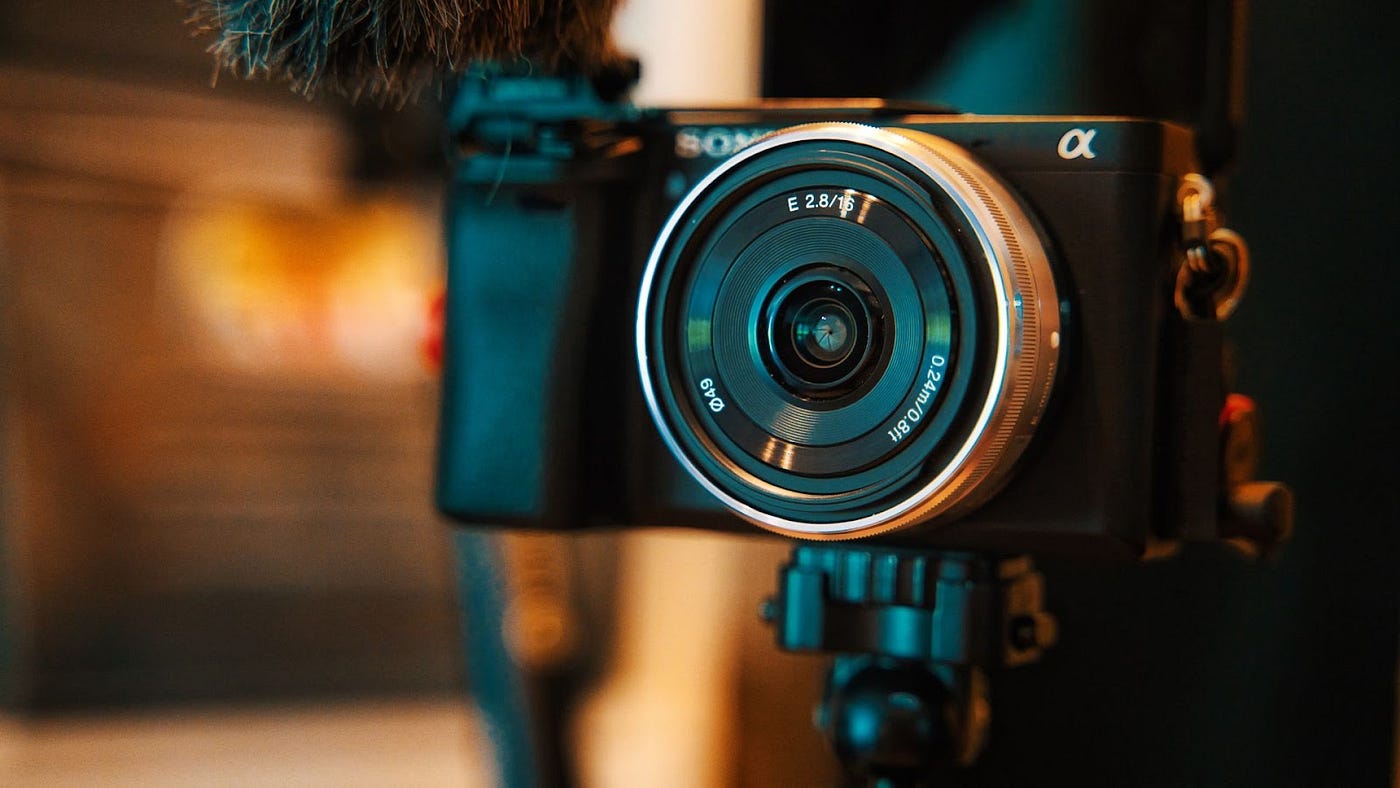
The sensor size affects how the camera captures light. Larger sensors gather more light and show better image quality.
Small sensors crop the image and can reduce sharpness. They also influence the depth of field and noise levels in photos.
- Large sensor: better low-light performance
- Large sensor: shallower depth of field
- Small sensor: more noise in dark areas
- Small sensor: deeper depth of field
Credit: medium.com
Light Sensitivity And Control
Light travels through a camera lens to create an image. Controlling light helps take clear photos.
Cameras adjust to light using settings that affect brightness and detail. This is called light sensitivity and control.
Iso Settings Explained
ISO measures how sensitive the camera sensor is to light. A low ISO means less sensitivity and clearer pictures.
High ISO settings make the sensor more sensitive, useful in darker places but can cause grainy images.
- Low ISO (100-200): Best for bright light, less noise.
- Medium ISO (400-800): Good for indoor or cloudy light.
- High ISO (1600+): Used in very low light but adds grain.
Balancing Exposure
Exposure is the amount of light that hits the camera sensor. It affects how bright or dark a photo looks.
To balance exposure, adjust ISO, shutter speed, and aperture together. These controls work as a team.
- Shutter speed controls how long light enters the camera.
- Aperture controls how much light passes through the lens.
- ISO adjusts how sensitive the sensor is to that light.
Low Light Challenges
In low light, cameras struggle to capture enough light. This makes photos dark or blurry.
Using higher ISO helps but can add noise. Slower shutter speeds capture more light but can cause blur.
- Use a tripod to avoid blur with slow shutter speeds.
- Increase ISO carefully to limit noise.
- Open the aperture to let in more light.
Technological Advances In Light Capture
Light travels through a camera to create an image. Technology helps capture light better. This improves photo quality and detail.
Advances in cameras focus on how light is gathered and processed. These changes affect the way pictures look and feel.
Digital Vs Film Cameras
Film cameras use light to expose chemicals on film. This process creates a photo after developing. Digital cameras use sensors to capture light as data.
Digital sensors convert light into electric signals. This allows instant viewing and editing. Film captures light in a physical form, needing development.
- Film cameras capture light chemically
- Digital cameras use electronic sensors
- Digital images can be edited easily
- Film images have a unique grain and texture
Innovations In Lens Design
Lenses focus light onto the film or sensor. New lens designs improve light capture and reduce blur. This helps create clearer photos.
Materials and shapes of lenses have changed. These changes allow more light to enter and improve sharpness. Coatings on lenses reduce glare and reflections.
- Aspherical lenses reduce distortion
- Multi-coated lenses cut glare
- Wide apertures let in more light
- Lens elements correct color errors
Future Trends In Imaging
Future cameras will capture light with higher speed and accuracy. New sensors may see beyond visible light. This will open new photo possibilities.
Computational photography uses software to improve images. Cameras may combine data from many sensors. This helps create sharper and brighter photos in low light.
- Sensors with higher sensitivity to light
- Multi-sensor cameras for better detail
- Use of artificial intelligence in image processing
- Expanded light spectrum capture beyond visible light
Credit: askabiologist.asu.edu
Frequently Asked Questions
How Does Light Enter A Camera Lens?
Light enters a camera lens through the aperture, which controls the amount of light allowed inside. The lens focuses light rays onto the camera sensor, forming a clear image.
What Role Does The Camera Sensor Play In Light Travel?
The camera sensor captures focused light rays and converts them into electrical signals. These signals create the digital image we see on screens.
How Do Camera Lenses Focus Light Effectively?
Camera lenses use curved glass elements to bend and direct light. This focusing process ensures sharp and clear images by directing light precisely onto the sensor.
Why Is Aperture Important For Light Travel In Cameras?
Aperture regulates light intensity entering the camera. A wider aperture lets in more light, improving image brightness, especially in low-light conditions.
Conclusion
Light moves through a camera in a clear, simple path. It enters the lens, bends, and hits the sensor or film. This process creates the image you see. Understanding this helps you appreciate how cameras work. Every picture is a result of light’s journey inside.
Cameras capture moments by controlling this light. Now, you know the basics behind each photo taken. It’s a blend of science and art working together. This knowledge can make using cameras more interesting and fun.