Have you ever wondered if you can travel from Miami to Panama by houseboat? Imagine cruising across the open waters, your own floating home carrying you through stunning seascapes.
It sounds like a dream, but is it really possible? If you’re curious about the challenges, the route, and what you need to know before setting off, this article is for you. Keep reading to discover if your houseboat adventure from Miami to Panama can become a reality.
Planning Your Route
Traveling by houseboat from Miami to Panama is an exciting adventure. Careful planning is needed to have a safe and smooth trip.
Knowing your route, stops, and challenges helps you prepare well before setting off.
Mapping The Journey
Start by charting your path on a map. The trip covers open ocean and coastal waters.
Use marine charts and GPS tools to mark your course from Miami down to Panama.
- Follow the Florida coast southward
- Pass through the Florida Keys
- Navigate the Caribbean Sea along Central America
- Enter Panama’s coastal waters
Key Stops Along The Way
Plan stops to rest, refuel, and check your boat. These stops break up the long journey.
Choose marinas and safe harbors that welcome houseboats and offer supplies.
- Key West, Florida – last US stop before the Caribbean
- Grand Cayman, Cayman Islands – great for fuel and food
- Roatan, Honduras – popular stop with good marinas
- Bocas del Toro, Panama – near the final destination
Navigational Challenges
Traveling by houseboat in open waters can be tricky. Watch out for weather and currents.
Plan for limited docking options and shallow areas. Keep communication devices ready.
- Strong ocean currents can push your boat off course
- Sudden storms may reduce visibility and safety
- Coral reefs and sandbars require careful navigation
- Some areas have few marinas or refueling stations
Houseboat Preparation
Traveling from Miami to Panama by houseboat needs careful planning. You must prepare your boat well for a long journey on the water.
Preparation helps keep you safe and makes the trip smoother. Check your equipment, safety items, and supplies before leaving.
Essential Equipment
Your houseboat must have the right equipment for navigation and daily use. This gear helps you steer and live comfortably on board.
Make sure you have working GPS, maps, and communication devices. Also, check your engines and steering systems carefully.
- GPS system and updated marine charts
- VHF radio for emergency communication
- Working engine and backup tools
- Anchor and ropes for docking
- Basic repair tools and spare parts
Safety Measures
Safety is very important when traveling by houseboat. Prepare life jackets and emergency kits for all passengers.
Check weather forecasts and avoid bad conditions. Have fire extinguishers and first aid supplies ready on board.
- Life jackets for everyone on board
- Fire extinguishers and smoke alarms
- First aid kit with basic medicines
- Emergency flares and signaling devices
- Weather radio or alert system
Fuel And Supplies
Plan your fuel needs carefully. Calculate how much fuel you need for the whole trip and include extra for safety.
Stock enough food, water, and other supplies. Carry fresh water and non-perishable food to last the journey.
- Fuel for engines and backup tanks
- Fresh water for drinking and cooking
- Non-perishable food supplies
- Cooking tools and utensils
- Garbage bags and cleaning materials
Legal Requirements
Traveling from Miami to Panama by houseboat requires following legal rules. You must prepare important documents and meet specific laws.
Knowing the legal requirements helps avoid problems during your journey and arrival in Panama.
Permits And Documentation
You need permits to sail a houseboat between countries. Your boat must have a valid registration and insurance.
Make sure to carry:
- Boat registration papers
- Proof of insurance
- Captain’s license if required
- Navigation charts or GPS devices
Customs And Immigration
You must clear customs and immigration at both countries. This means declaring your boat and any goods you carry.
Passengers need valid passports and visas if required. Follow the rules for entering Panama by sea.
- Report your arrival at the first port
- Present boat and personal documents
- Declare all items on board
- Pay any customs fees
International Regulations
International laws govern sea travel. You must follow safety and environmental rules while sailing from Miami to Panama.
Check the International Regulations for Preventing Collisions at Sea (COLREGs). Also, respect protected marine areas along your route.
- Follow navigation rules and signals
- Carry required safety equipment
- Respect speed limits near coasts
- Avoid damaging coral reefs and wildlife

Credit: www.boats.com
Weather And Sea Conditions
Traveling by houseboat from Miami to Panama means crossing open waters. Weather and sea conditions affect safety and comfort. Knowing what to expect helps plan a better trip.
This journey passes through tropical zones with changing weather patterns. Sea waves and wind can vary greatly. Preparing for these conditions is important.
Best Travel Seasons
The best time to travel is during the dry season. From December to April, the weather is calmer and rain is less common. Sea conditions tend to be smoother.
The wet season runs from May to November. Expect more rain and stronger winds. This can cause rougher seas and harder navigation.
- Dry season: December to April
- Wet season: May to November
- Calmer seas in dry season
- More storms in wet season
Handling Rough Waters
Rough waters can be dangerous for houseboats. Strong waves and currents require careful steering. Keep a steady speed and avoid sudden turns.
Use safety gear like life jackets and emergency radios. Check your boat’s condition before leaving. Avoid traveling during storms or heavy winds.
- Maintain steady speed
- Avoid sudden turns
- Wear life jackets
- Use emergency communication tools
- Check weather before departure
Weather Forecast Resources
Use reliable weather sources before and during your trip. Marine weather forecasts give details about wind, waves, and storms. Satellite apps and radio updates help stay informed.
Check forecasts daily. Plan your route based on the weather. Avoid traveling if warnings for rough seas or storms appear.
- National Weather Service marine forecasts
- Satellite weather apps
- Marine VHF radio updates
- Local coast guard bulletins
Costs And Budgeting
Traveling from Miami to Panama by houseboat can be an exciting adventure. It requires careful budgeting to cover all expenses. Knowing costs helps you plan and avoid surprises.
This guide breaks down the main costs you will face on this trip. It focuses on fuel, docking fees, and unexpected expenses. Use this info to prepare your budget.
Fuel Expenses
Fuel is one of the biggest costs for a houseboat trip from Miami to Panama. The journey is long, covering over 1,200 miles by sea. Your boat’s fuel efficiency impacts the total price.
Diesel is the common fuel for houseboats. Prices can vary by location and season. Plan to buy fuel at larger marinas where prices are stable and quality is good.
- Estimate your boat’s fuel consumption per mile
- Check current diesel prices at ports along the route
- Include extra fuel for detours or delays
Docking And Marina Fees
Docking fees at marinas add up during the trip. You will need to stop for rest, refueling, and supplies. Fees depend on the marina’s location and amenities.
Some marinas charge by the hour, others by the night. Larger marinas often have higher fees but offer better services. Smaller docks may be cheaper but have fewer facilities.
- Research marinas on your route for pricing
- Budget for both overnight stays and short stops
- Consider marina services like water and electricity
Unexpected Costs
Unexpected costs can appear during your journey. Mechanical problems, weather delays, or emergency supplies may increase your budget. It is smart to set aside extra money.
Insurance, repairs, and extra food or water are common unexpected expenses. Planning for these will keep your trip safe and smooth. Always have a financial buffer for surprises.
- Set aside 10-20% of your total budget for emergencies
- Check your boat’s condition before departure
- Keep contact info for local repair services
Credit: www.orbitz.com
Accommodation And Facilities
Traveling from Miami to Panama by houseboat is an adventurous journey. Proper accommodation and facilities are important for a comfortable trip.
Houseboats offer unique living spaces on the water. Knowing about marinas, overnight stays, and local services helps plan the trip well.
Marina Amenities
Marinas along the route provide many facilities for houseboats. They offer safe docking and easy access to power and water.
Most marinas have restrooms, showers, and waste disposal areas. Some also provide fuel stations and repair services.
- Docking slips with secure mooring
- Electricity and fresh water hookups
- Restrooms and shower facilities
- Fuel and repair stations
- Waste disposal and pump-out services
Overnight Stays
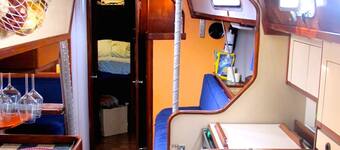
Houseboats are designed for overnight stays with sleeping and cooking areas. Cabins usually have beds and storage space.
Many houseboats include kitchens, bathrooms, and climate control. This makes long trips more comfortable and self-sufficient.
- Sleeping cabins with beds and linens
- Fully equipped kitchens
- Bathrooms with showers
- Heating and air conditioning
- Living and dining spaces
Local Services
Local services near marinas help travelers with supplies and repairs. Grocery stores and markets are often nearby for food and essentials.
Boat repair shops and fuel stations support houseboat maintenance. Emergency services and medical help are also accessible in towns along the route.
- Grocery stores and markets
- Boat repair and maintenance shops
- Fuel stations for houseboats
- Emergency and medical services
- Local restaurants and cafes
Safety Tips
Traveling by houseboat from Miami to Panama is an exciting adventure. It is important to plan for safety during your trip.
Being prepared helps you handle emergencies and enjoy a smooth journey on the water.
Emergency Preparedness
Always carry safety gear like life jackets and fire extinguishers on board. Check your boat for leaks before leaving.
Plan your route carefully and inform someone on land about your travel schedule. Know the nearest ports and emergency services along the way.
- Life jackets for all passengers
- Fire extinguisher and first aid kit
- Emergency flares and signaling devices
- Route plan shared with a trusted contact
- Knowledge of nearby ports and rescue stations
Communication Tools
Bring reliable communication devices like a marine VHF radio and a fully charged mobile phone. These tools help you call for help if needed.
Check for signal coverage in your travel area. Satellite phones can be useful in remote spots without cell service.
- Marine VHF radio for boat-to-boat contact
- Mobile phone with extra battery or power bank
- Satellite phone for remote areas
- Emergency contact numbers saved and easy to access
Health Precautions
Carry a well-stocked first aid kit for minor injuries and illnesses. Include seasickness remedies if you are prone to motion sickness.
Keep clean water and healthy food supplies on board. Protect yourself from sun exposure by wearing hats and sunscreen.
- Complete first aid kit with medicines
- Seasickness tablets or patches
- Clean drinking water and food
- Sun protection like hats and sunscreen
- Regular hand washing to avoid infections
Credit: www.orbitz.com
Alternative Travel Options
Traveling from Miami to Panama by houseboat is an exciting idea. Yet, it is not always the easiest or fastest way to make the trip. There are other travel options that can help you reach Panama more smoothly.
Exploring these options can save time and effort. It is important to know how to combine different transport modes or consider shipping your houseboat.
Combining Houseboat With Other Transport
You can combine houseboat travel with other types of transportation. For example, you might boat part of the way and use land or air travel for the rest. This mix can make the journey easier.
Using roads or flights for certain parts of the trip helps avoid difficult waters or long travel times. This option offers more flexibility and comfort.
- Boat along coastal areas or calm waters
- Use car or bus to cross land sections
- Fly over long or dangerous stretches
Shipping Your Houseboat
Shipping your houseboat is another way to get it from Miami to Panama. Instead of traveling by water, you send your boat on a cargo ship. This saves time and avoids risks at sea.
Once the boat arrives in Panama, you can use it for local travel or leisure. Shipping is a practical option if you want to avoid long ocean trips.
- Contact cargo companies that ship boats
- Prepare your houseboat for transport
- Arrange pickup or delivery in Panama
Flying Vs Boating
Flying is much faster than boating. It takes only a few hours to fly from Miami to Panama. Boating takes days or weeks, depending on conditions.
Boating offers a unique experience but needs more planning. Flying is better for quick travel or business trips.
| Factor | Flying | Boating |
|---|---|---|
| Travel Time | Few hours | Several days to weeks |
| Cost | Usually higher | Variable, fuel and maintenance |
| Experience | Fast and efficient | Scenic and adventurous |
| Planning | Simple | Complex, needs navigation skills |
Frequently Asked Questions
Can I Travel From Miami To Panama By Houseboat?
Yes, you can travel by houseboat, but it requires careful planning. The journey covers international waters and needs proper permits and navigation skills.
How Long Does A Houseboat Trip From Miami To Panama Take?
The trip duration depends on your boat speed and stops. Typically, it can take several weeks due to the distance and weather conditions.
What Permits Are Needed For Houseboat Travel To Panama?
You need sailing permits, customs clearance, and immigration documents. Ensure you comply with both U. S. and Panamanian maritime regulations before departure.
Are There Safe Routes For Houseboats From Miami To Panama?
Yes, there are established maritime routes. It’s important to follow navigational charts and avoid hazardous weather to ensure a safe journey.
Conclusion
Traveling from Miami to Panama by houseboat offers a unique adventure. Enjoy the sea breeze and scenic views. Plan your journey carefully for a safe trip. Consider the weather and boat maintenance. Embrace the freedom of water travel and the joy of exploration.
Every day brings new sights and experiences. This journey can be memorable with proper preparation. A houseboat trip blends travel and relaxation perfectly. Experience the beauty of the open sea. Your adventure awaits on the waves. Safe travels and happy boating!