Have you ever wondered how fast houseboats can actually travel? If you’re curious about cruising on the water without leaving the comfort of a floating home, understanding their speed is key.
Whether you’re planning a relaxing getaway or thinking about living on a houseboat, knowing how quickly you can get from one place to another makes all the difference. You’ll discover the typical speeds of houseboats, what affects their pace, and how that impacts your experience on the water.
Keep reading to find out everything you need to know before you set sail.
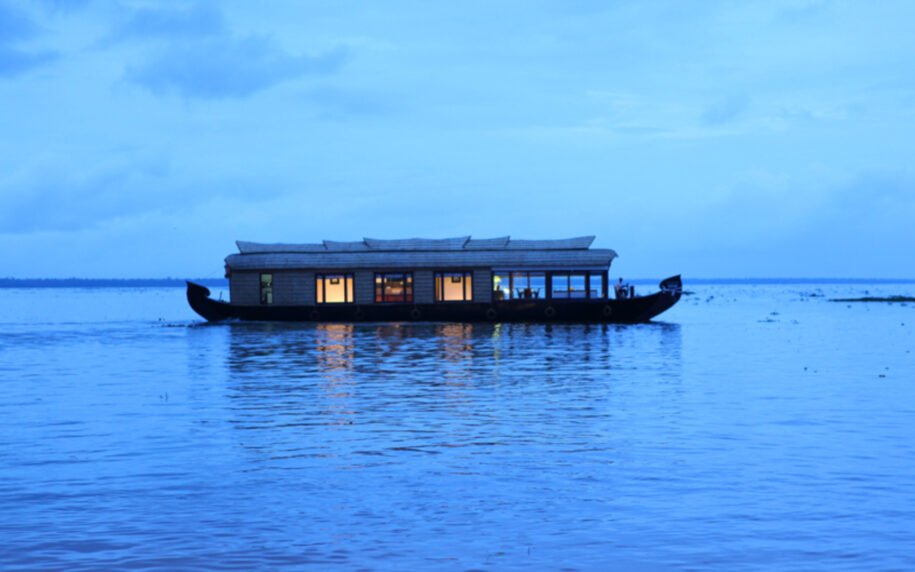
Credit: www.spiceroutes.in
Houseboat Speed Basics
Houseboats are floating homes designed for comfort on water. Their speed is slower than regular boats.
Understanding how fast houseboats travel helps with planning trips and safety on the water.
Typical Speed Ranges
Most houseboats move between 5 and 15 miles per hour. This speed is enough for calm lakes and rivers.
Some small or lightweight houseboats can go slightly faster, but they rarely exceed 20 miles per hour.
- Slow speeds help keep the boat stable and safe
- Faster speeds may cause more fuel use and rough rides
- Speed limits on waterways often restrict how fast houseboats can go
Factors Affecting Speed
Several factors change how fast a houseboat can travel. These include size, weight, and engine power.
Weather and water conditions also affect speed. Strong winds or waves can slow the boat down.
- Boat size:Larger houseboats are usually slower.
- Weight:More weight reduces speed.
- Engine type:Stronger engines increase speed.
- Water conditions:Calm water allows faster travel.
- Wind:Headwinds slow the boat, tailwinds can help.
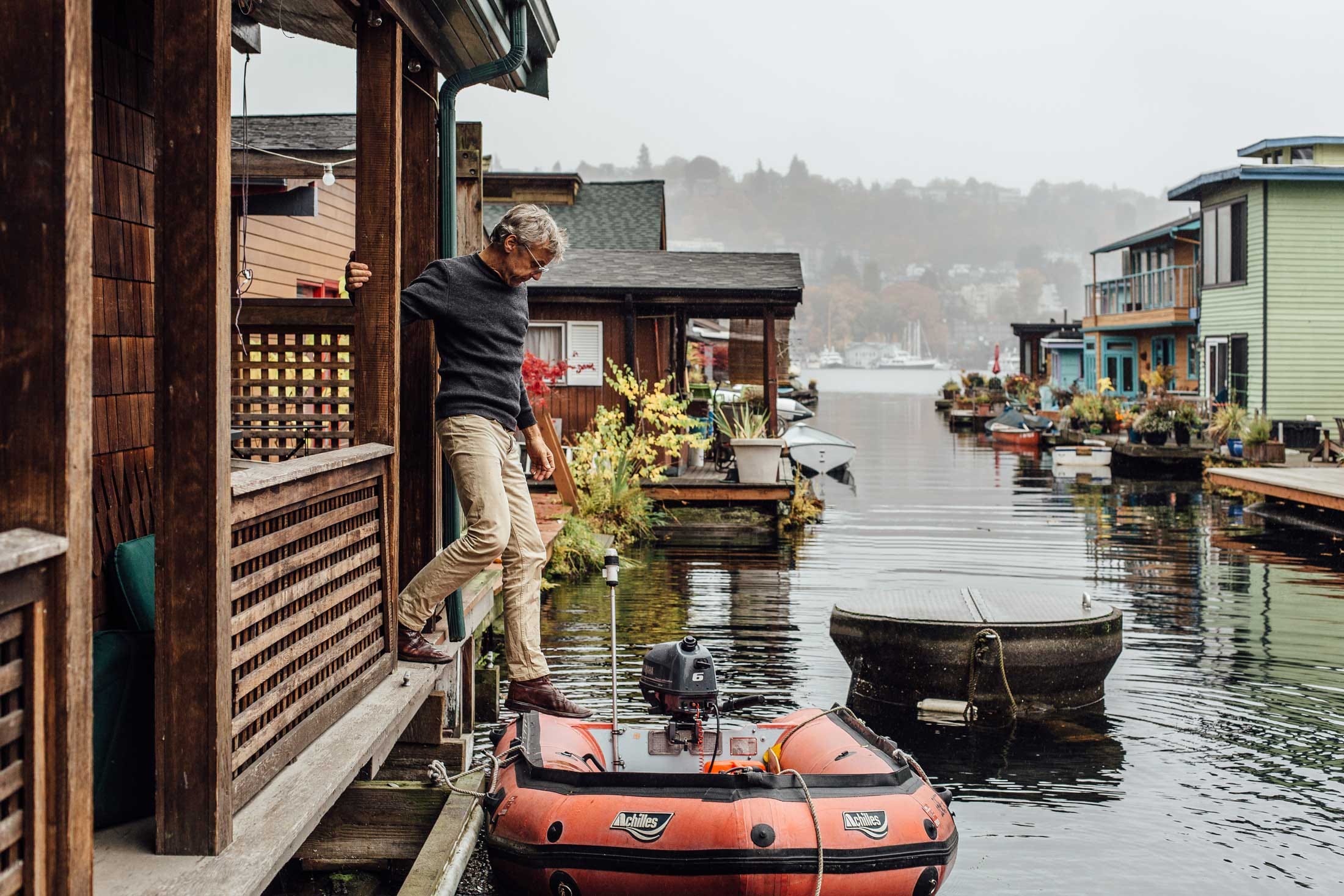
Credit: medium.com
Speed Limits On Waterways
Houseboats travel on lakes, rivers, and canals. Speed limits on these waterways keep everyone safe.
These limits protect the environment and reduce accidents. Knowing them helps you enjoy your trip.
Common Regulations
Many waterways have rules about how fast boats can go. These rules vary by location and water type.
Houseboats usually have lower speed limits than smaller boats. This is for safety and wake control.
- Maximum speed limits often range from 5 to 15 miles per hour.
- Some areas require “no wake” zones where speed is very slow.
- Operators must follow posted signs and local laws.
- Speed limits protect wildlife and prevent shoreline erosion.
Speed Zones And Restrictions
Waterways have special zones with different speed rules. These help control traffic and keep areas safe.
Speed restrictions change near docks, swimming areas, and narrow channels. Always watch for signs.
- No-wake zones require boaters to move slowly without creating waves.
- Restricted speed zones limit boats to speeds under 5 miles per hour.
- Some areas ban fast speeds at certain times or seasons.
- Speed changes help protect swimmers, fishermen, and other boats.
Design Impact On Speed
The design of a houseboat plays a big role in how fast it can travel. Shape and power affect speed.
Different design parts like the hull and engine change how quickly a houseboat moves through water.
Hull Types
The hull is the bottom part of the boat that touches the water. Its shape affects speed and stability.
There are three common hull types: displacement, semi-displacement, and planing. Each moves differently.
- Displacement hullspush water aside slowly. They are steady but slower.
- Semi-displacement hullscombine speed and comfort. They are faster than displacement hulls.
- Planing hullsrise on top of water at high speed. They are the fastest but less stable.
Engine Power
Engine power is a key factor for houseboat speed. Stronger engines push the boat faster.
Houseboats use different engines like outboards, inboards, or diesel motors. Power varies by type.
- Outboard enginesare easy to maintain and good for small houseboats.
- Inboard enginesare built inside the boat and offer steady power.
- Diesel enginesprovide strong power and fuel efficiency for bigger boats.
Tips To Improve Speed
Houseboats usually travel slower than other boats. Their speed depends on design and engine power.
You can improve your houseboat’s speed with some simple tips. These help it move faster and use less fuel.
Maintenance Practices
Good maintenance keeps your houseboat running smoothly. A clean and well-tuned engine helps increase speed.
Check the propeller for damage or dirt. Fixing small problems can improve how fast your boat moves.
- Regularly clean the hull to reduce drag
- Keep the engine tuned and oil changed
- Inspect and repair the propeller often
- Check and replace filters as needed
Weight Management
Heavy loads slow down houseboats. Reducing weight helps the boat glide faster on water.
Remove unnecessary items and keep supplies light. Distribute weight evenly to maintain balance and speed.
- Unload extra gear not in use
- Use lightweight furniture and equipment
- Balance weight from side to side
- Avoid overloading the boat beyond capacity
Safety Considerations
Houseboats travel at different speeds depending on their design. Safety is very important when moving fast on water. Knowing how to handle speed keeps everyone safe.
Speed affects how well you control the boat. You must always think about safety before going fast.
Navigating At High Speeds
Driving a houseboat fast needs good skills. High speeds make turning and stopping harder. You must stay alert and watch for obstacles.
Keep a safe distance from other boats. Avoid sharp turns and sudden stops. Always follow speed limits set for waterways.
- Look ahead for objects or boats
- Keep speed steady on turns
- Use signals to show your moves
- Wear life jackets at all times
Weather And Water Conditions
Weather changes can affect how fast and safe a houseboat can go. Wind, rain, and waves make it hard to control the boat.
Water currents and tides also change speed needs. Slow down in bad weather or rough water to avoid accidents.
- Check weather reports before leaving
- Reduce speed in strong winds
- Watch for waves that can rock the boat
- Be cautious in fog or low visibility
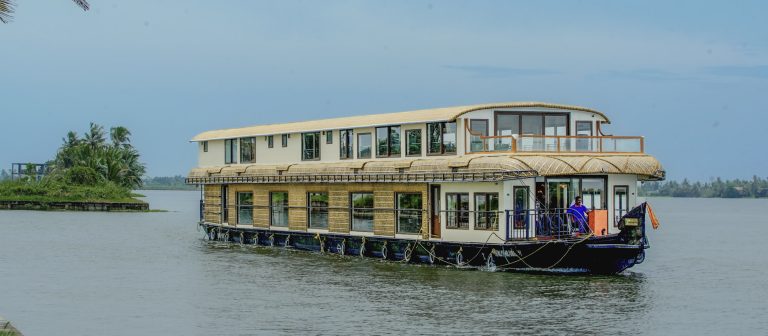
Credit: www.thesanchari.com
Popular Fast Houseboats
Houseboats usually travel slower than speedboats. Their design focuses on comfort and space.
Still, some houseboats are built to go faster. These models combine speed with livable features.
Models Known For Speed
Some houseboats reach speeds above 20 miles per hour. This is fast for such large boats.
Popular fast models include the Aqua Lodge 45 and the Sunstream 32. They use powerful engines.
- Aqua Lodge 45 – speeds up to 25 mph with twin diesel engines
- Sunstream 32 – lightweight design allows 22 mph top speed
- Stardust Cruiser – hybrid engine reaches 20 mph
Innovations In Design
Faster houseboats use special hull shapes. These reduce water resistance and increase speed.
Lightweight materials like aluminum and fiberglass help too. They make the boat lighter and quicker.
- Hydrodynamic hulls cut through water smoothly
- Use of composite materials lowers weight
- Powerful, fuel-efficient engines improve speed and range
- Streamlined superstructures reduce wind drag
Frequently Asked Questions
How Fast Do Houseboats Typically Travel?
Houseboats usually travel between 5 to 10 miles per hour. Their speed depends on engine power and water conditions. Most houseboats prioritize comfort over speed.
What Affects The Speed Of A Houseboat?
Factors like engine size, hull design, and water currents affect houseboat speed. Heavier models move slower than lightweight ones. Weather also plays a crucial role.
Can Houseboats Travel As Fast As Regular Boats?
No, houseboats are generally slower than regular boats. They are built for stability and living space, not speed. Regular boats can reach 20+ mph easily.
Are There Fast Houseboats Available In The Market?
Yes, some modern houseboats offer speeds up to 15 mph. These models have powerful engines and streamlined designs. However, they are less common and more expensive.
Conclusion
Houseboats offer a unique way to enjoy water travel. They move slowly, usually around 5-10 miles per hour. This pace allows for relaxation and scenic views. Enjoying nature becomes easy and stress-free. Safety is a key aspect too, ensuring peace of mind.
Choosing the right houseboat depends on your needs. Consider size, features, and budget before renting or buying. Remember, a houseboat trip is not about speed. It’s about relaxation and adventure on water. Plan your journey today for a memorable experience.
Embrace the slow, serene world of houseboating.