Do you travel camera gear? If you’re a photography enthusiast or a seasoned traveler, you know that choosing the right camera gear for your trips can be overwhelming.
With so many options out there, how do you ensure you’re not overpacking yet still capturing the best moments? Imagine being able to travel light without sacrificing quality in your photos. This article will guide you through the essentials, helping you make smart choices.
You’ll discover tips and tricks that not only enhance your travel experiences but also make your photographic memories more vibrant. Ready to transform the way you pack your camera gear for travel? Let’s dive in.
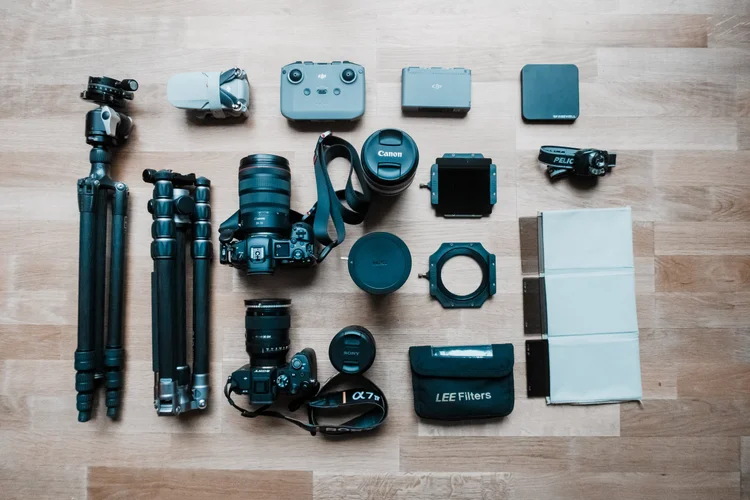
Credit: belindashi.com
Choosing The Right Camera
Travel photography needs the right camera. Picking the best camera helps capture great moments.
Think about size, weight, and picture quality before choosing your camera.
Dslr Vs Mirrorless
DSLR cameras have a mirror inside that shows the image in the viewfinder. They are bigger but have good battery life.
Mirrorless cameras are smaller and lighter. They use a screen to show the image instead of a mirror.
- DSLRs are bulky but durable
- Mirrorless cameras are compact and easy to carry
- Both types offer high photo quality
- Mirrorless cameras often have faster shooting speeds
Compact Cameras For Travel
Compact cameras are small and easy to use. They fit in your pocket or bag without much space.
These cameras have good zoom and decent picture quality. They are great for quick shots.
- Lightweight and portable
- Simple controls for beginners
- Good for casual photography
- Less manual control than bigger cameras
Smartphone Photography
Smartphones are popular for travel photos. They are always with you and easy to use.
Many phones have good cameras with features like wide-angle and night mode.
- Carry no extra gear
- Easy to edit photos on the phone
- Quick sharing to social media
- Limited zoom and sensor size
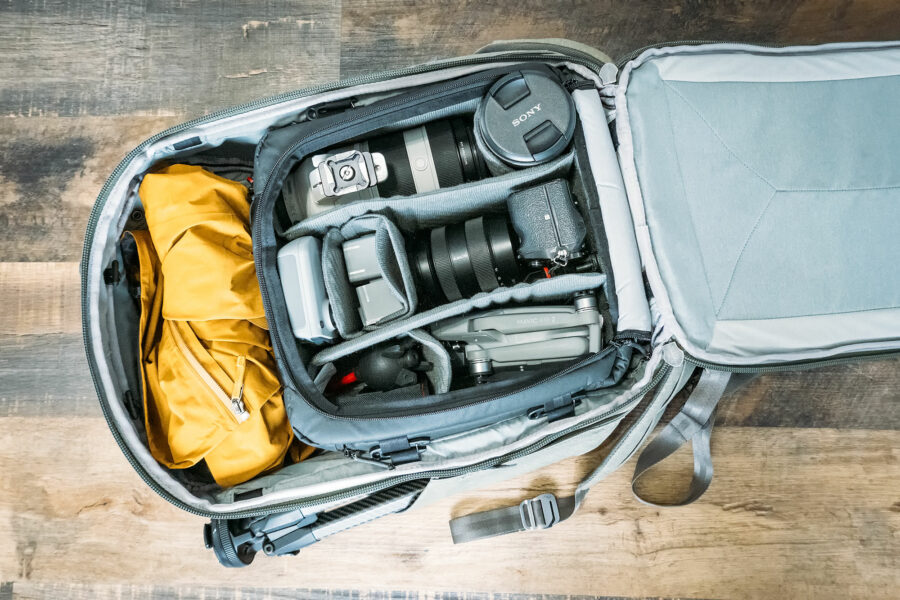
Credit: expertvagabond.com
Essential Lenses To Pack
Choosing the right lenses is key for travel photography. Each lens type helps capture different scenes.
Traveling light means packing lenses that cover many situations. These lenses keep your bag lighter and photos sharper.
Wide-angle For Landscapes
Wide-angle lenses show more of a scene. They are perfect for capturing mountains, beaches, and big skies.
These lenses have short focal lengths, usually between 10mm and 24mm. They make spaces look larger and more open.
- Great for scenic views and cityscapes
- Helps include foreground and background elements
- Works well in tight spaces
Prime Lenses For Portraits
Prime lenses have a fixed focal length. They offer sharp images and good low-light performance.
Common choices are 35mm and 50mm lenses. They create nice background blur to make subjects stand out.
- Ideal for portraits and street photography
- Lightweight and easy to carry
- Great for low light and indoor shots
Zoom Lenses For Flexibility
Zoom lenses cover a range of focal lengths. This lets you change framing without swapping lenses.
Popular zooms include 24-70mm and 70-200mm. They are good for travel because they handle many shooting types.
- Capture wide landscapes and close-up details
- Reduce the number of lenses you carry
- Useful for unpredictable travel moments
Must-have Accessories
Traveling with your camera requires the right accessories. These help you capture better photos and protect your gear.
Choosing the right accessories makes your trip easier and your shots sharper. Here are some essentials to pack.
Tripods And Stabilizers
Tripods keep your camera steady for sharp photos. They work well in low light and for long exposures.
Stabilizers help reduce shakes when you move. They are great for video and smooth shots on the go.
- Choose lightweight tripods for easy carrying
- Look for flexible legs to set up on uneven ground
- Use gimbals or handheld stabilizers for smooth video
- Check the maximum load to support your camera gear
Extra Batteries And Memory Cards
Extra batteries keep your camera powered all day. Don’t rely on finding charging spots while traveling.
Memory cards store your photos and videos. Carry more than you think you will need to avoid running out of space.
- Bring fully charged spare batteries
- Use high-capacity memory cards for more storage
- Keep batteries and cards in a safe, dry place
- Label cards to organize your files easily
Protective Gear And Cases
Protective gear shields your camera from damage during travel. Cases and covers help prevent scratches and drops.
Use waterproof bags to keep your gear safe in bad weather. Padding inside cases adds extra protection.
- Choose padded camera bags or backpacks
- Use lens caps and body caps to stop dust
- Carry rain covers for sudden weather changes
- Use hard cases for fragile or expensive equipment
Packing Tips For Travel
Packing camera gear for travel needs care and planning. You want to bring what you need without carrying too much.
Good packing helps protect your gear and keeps you organized during trips. Here are some tips to help you pack well.
Weight And Size Considerations
Keep your camera gear light and small to avoid heavy luggage. Choose compact cameras and lenses if possible.
Use a lightweight backpack or camera bag with good padding. Avoid carrying extra items you won’t use.
- Pick small and light camera bodies
- Bring only essential lenses
- Use compact tripods or monopods
- Choose bags with padded compartments
- Check airline weight limits for carry-ons
Organizing Your Gear
Keep your gear neat to find items quickly. Use compartments and cases to separate parts like batteries and memory cards.
Label your bags or cases for easy access. Pack cables and chargers in small pouches to avoid tangles.
- Use padded inserts for lenses and cameras
- Carry extra batteries in a separate pouch
- Store memory cards in protective cases
- Keep cleaning supplies handy but safe
- Pack cables rolled and secured with ties
Security And Insurance
Protect your gear from theft and damage. Use bags with lockable zippers or anti-theft features.
Get insurance for your camera equipment. This helps cover losses in case of theft, damage, or loss.
- Choose camera bags with secure closures
- Keep gear close and in sight at all times
- Use cable locks for backpacks in public
- Check insurance policies carefully
- Take photos of your gear for proof
Shooting Tips On The Go
Traveling with camera gear means capturing moments quickly. You need to adapt to new places fast.
Good tips help you take better photos even when time and light change often.
Lighting And Composition
Light affects how your photos look. Use natural light whenever possible. Early morning and late afternoon give soft light.
Think about how you place subjects in the frame. Use the rule of thirds to create balance and interest.
- Face your subject towards the light for clear details
- Avoid harsh midday sun that creates strong shadows
- Use leading lines to guide the viewer’s eye
- Keep the horizon straight for a neat photo
Capturing Candid Moments
Candid shots show real emotions and stories. Stay ready and watch for natural actions or expressions.
Use a zoom lens to keep distance. This helps people feel relaxed and act naturally.
- Look for small interactions and smiles
- Keep your camera close and on
- Use silent mode to avoid drawing attention
- Take many shots to catch the best moment
Managing Settings Quickly
Travel shots change fast. Learn to adjust your camera settings fast to not miss moments.
Use aperture priority or shutter priority modes. These let you control key parts while the camera helps with others.
- Set ISO to auto for varying light
- Keep aperture wide for blurred backgrounds
- Use fast shutter speed to freeze motion
- Practice changing settings without looking

Credit: www.reddit.com
Editing And Backup Strategies
Travel photographers need good plans for editing and saving photos. This keeps photos safe and ready to share.
Using apps and cloud storage helps keep photos organized. Backing up often stops data loss.
On-the-spot Editing Apps
Editing photos right after taking them saves time. Mobile apps let you fix colors, crop, and add filters fast.
These apps work on phones or tablets. They help improve pictures before sharing or backing up.
- Simple tools for quick color and light changes
- Crop and straighten photos easily
- Apply filters to enhance mood
- Save edited photos in different formats
Cloud Storage Options
Cloud storage keeps photos safe online. It works well for travelers who move between devices.
Choose cloud services with enough space and good security. Upload photos regularly to avoid losing them.
- Google Drive
- Dropbox
- OneDrive
- iCloud
Regular Backup Routine
Backing up photos often protects your work. Set a schedule to copy files to different places.
Use multiple backup methods to keep photos safe. Check backups to make sure they work well.
- Backup to external hard drives
- Use cloud storage as a second backup
- Organize files by date and location
- Test backups regularly for data safety
Frequently Asked Questions
What Essential Camera Gear Should I Pack For Travel?
Pack a lightweight camera body, versatile lenses, extra batteries, memory cards, and a sturdy tripod. Include cleaning kits and protective cases to keep gear safe during travel.
How Do I Choose The Best Travel Camera Gear?
Consider weight, size, and durability. Choose versatile lenses that cover wide to zoom ranges. Prioritize gear that fits your shooting style and travel needs.
Can I Carry Camera Gear In Hand Luggage?
Yes, carry camera gear in hand luggage to protect it. Use padded bags and organize gear to prevent damage during transit.
How To Protect Camera Gear While Traveling Abroad?
Use padded camera bags, weatherproof covers, and secure straps. Avoid exposing gear to extreme temperatures and moisture to prevent damage.
Conclusion
Choosing the right travel camera gear makes your trips more memorable. Pack light but smart to capture every moment clearly. A good camera and lens help tell your story. Don’t forget extra batteries and memory cards. Carry gear that fits your style and destination.
Enjoy your journey and take photos that last forever. Travel with confidence, knowing your gear is ready. Simple, useful equipment makes photography fun and easy. Keep exploring and capturing the world around you.