Are you torn between choosing a truck camper or a travel trailer for your next adventure? Making the right choice can change the way you experience the open road.
Both options offer unique benefits, but which one fits your lifestyle, budget, and travel plans best? You’ll discover the key differences, pros, and cons of each so you can make a decision that feels just right for you. Keep reading to find out which option will turn your trips into unforgettable memories.
Truck Camper Benefits
Truck campers offer many benefits compared to travel trailers. They attach directly to your truck bed. This makes them compact and easy to handle.
People who love adventure often choose truck campers. These campers work well on rough roads. They also save time during setup and take less space when stored.
Compact And Maneuverable
Truck campers are smaller than travel trailers. They fit inside the truck bed. This keeps the total length shorter.
Because of their size, they are easier to drive. You can park them in tight spots. Turning and backing up is simpler than with a trailer.
- Fits in regular parking spaces
- Easy to drive in city traffic
- No need for a special towing vehicle
Off-road Capabilities
Truck campers work well on rough and uneven roads. The truck’s four-wheel drive helps reach remote spots. Travel trailers often cannot go off-road.
This makes truck campers great for camping in nature. You can explore places where trailers can’t reach.
- Better ground clearance
- Stronger suspension for rough terrain
- More control on dirt and gravel roads
Easy Setup And Storage
Truck campers are quick to set up. You just park the truck and slide out any extensions. No hitching or leveling needed like with trailers.
They take less space in a garage or driveway. You do not need a large area for storage. This makes owning a truck camper more convenient.
- Fast setup saves time at campsites
- No need for extra tools to level
- Compact size fits in smaller storage areas
Travel Trailer Advantages
Travel trailers offer many benefits for people who love camping or road trips. They provide comfort and flexibility during your travels.
Compared to truck campers, travel trailers often give more space and options. They allow you to enjoy your trip without feeling cramped.
Spacious Living Area
Travel trailers usually have a larger living space than truck campers. This extra room makes it easier to relax and move around inside.
You can find travel trailers with separate areas for sleeping, cooking, and relaxing. This helps keep your space organized and comfortable.
Variety Of Sizes And Styles
Travel trailers come in many sizes and designs. You can pick one that fits your needs and the size of your towing vehicle.
From small lightweight models to large luxury trailers, there is a travel trailer for every budget and style.
- Compact trailers for easy towing
- Family-sized trailers with multiple rooms
- Luxury models with many features
Separate Vehicle Use
With a travel trailer, you can leave the trailer at the campsite and use your vehicle separately. This gives you freedom to explore nearby areas.
This is not possible with truck campers because they are attached to the truck. Travel trailers let you drive your vehicle without towing.
Cost Comparison
Choosing between a truck camper and a travel trailer depends on many factors. Cost is one of the main reasons people decide.
We will look at the initial price, maintenance costs, and resale value of both options. This helps you see which fits your budget better.
Initial Purchase Price
Truck campers usually cost less to buy than travel trailers. They are smaller and use less material.
Travel trailers come in many sizes and styles, so their prices vary more. Larger trailers can cost much more than truck campers.
- Truck camper price range: $5,000 to $30,000
- Travel trailer price range: $10,000 to $50,000+
Maintenance Expenses
Truck campers have fewer parts to maintain because they attach directly to the truck. This can lower repair costs.
Travel trailers need regular upkeep on tires, brakes, and the hitch. They also require more storage space, which might cost extra.
- Truck camper maintenance is generally simpler
- Travel trailers need more regular checks and repairs
- Storage for trailers can add to yearly costs
Resale Value
Truck campers tend to hold their value well if kept in good shape. They appeal to buyers who want easy camping options.
Travel trailers often have a larger resale market due to variety and size options. Their value depends on condition and brand.
- Truck campers keep value with good care
- Travel trailers can sell for a good price if maintained
- Popular brands help resale for both types

Credit: aiymenrv.en.made-in-china.com
Towing And Driving Experience
Choosing between a truck camper and a travel trailer affects how you tow and drive. Both have different impacts on the road and your vehicle.
Understanding these differences helps you pick the best option for comfort and safety during travel.
Handling And Control
Truck campers sit directly on the truck bed. This keeps weight centered and low. It makes driving feel more stable.
Travel trailers are towed behind the vehicle. They add length and can sway in strong wind or tight turns. Extra caution is needed.
- Truck campers offer better maneuverability in tight spaces.
- Travel trailers require more space to turn and park.
- Truck campers feel more like driving a regular truck.
- Travel trailers need practice to tow safely.
Fuel Efficiency
Truck campers add weight on the truck, which can reduce fuel efficiency. The extra load makes the engine work harder.
Travel trailers increase drag and weight. This often causes more fuel use than truck campers, especially at higher speeds.
- Truck campers generally use less fuel than travel trailers.
- Travel trailers cause more wind resistance and drag.
- Fuel use depends on trailer size and truck power.
Licensing And Restrictions
Licensing rules vary by location and the size of what you tow. Truck campers usually do not require extra licenses.
Travel trailers may need special permits or licenses if they exceed certain weights or lengths. Check local laws before buying.
- Truck campers often fit within standard truck license limits.
- Travel trailers might need a trailer or special vehicle license.
- Weight and length limits affect what you can tow legally.
- Some areas restrict where large trailers can drive.
Lifestyle And Usage
Choosing between a truck camper and a travel trailer depends on how you live and use your camper. Both have strengths for different lifestyles.
Think about your habits and what fits your daily routine for camping and travel. This helps pick the right type.
Camping Frequency
If you camp often, a truck camper is easier to handle and park. It fits in smaller spaces and is quick to set up.
Travel trailers suit those who camp less but stay longer. They offer more space and comfort for extended trips.
- Truck camper: Best for frequent, short trips
- Travel trailer: Good for occasional, longer stays
Travel Destinations
Truck campers work well on rough roads and narrow trails. They let you reach remote spots easier.
Travel trailers are better for paved roads and established campgrounds. They offer more living space at these sites.
- Truck camper: Ideal for off-road and wilderness trips
- Travel trailer: Best for highways and popular campgrounds
Family Size And Comfort
Truck campers usually fit one or two people comfortably. Space is limited, so less gear fits inside.
Travel trailers can sleep more people and have room for bigger families. They offer more comfort and storage.
| Type | Capacity | Comfort Level |
| Truck Camper | 1-2 people | Compact, basic comfort |
| Travel Trailer | 3-6 people | Spacious, more amenities |
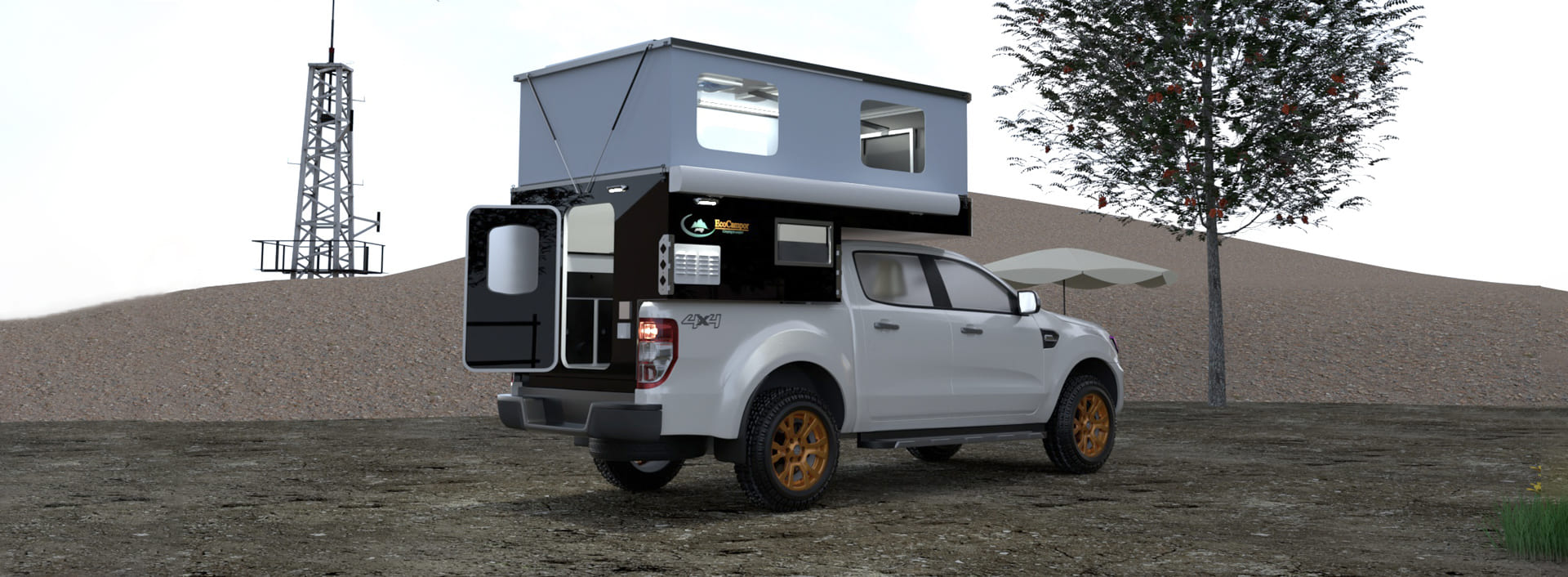
Credit: www.ecocampor.com
Storage And Parking
Choosing between a truck camper and a travel trailer affects where you can park and store your vehicle. Both have different needs for space and safety. Understanding these can help you pick the right option for your lifestyle.
Storage and parking impact convenience and cost. Some spaces fit one type better than the other. Let’s look at the details for each choice.
Space Requirements
Truck campers are compact and fit on a pickup truck. They need less space to park. Travel trailers are larger and need a wider area to park or store. This makes truck campers easier to keep in smaller places.
Travel trailers require a flat, open space for parking. They often need a special spot or driveway wide enough for the trailer and truck. Truck campers fit wherever trucks can park.
- Truck campers need less parking space.
- Travel trailers need more space and a flat surface.
- Travel trailers may require backing in or turning room.
- Truck campers fit in most truck parking spots.
Security Considerations
Travel trailers can be left detached from the truck. This makes them vulnerable to theft if not secured properly. Truck campers stay on the truck, which may reduce theft risk. The truck can be locked and alarmed.
Parking in a secure, well-lit area helps protect both types. Travel trailers may need extra locks or wheel clamps. Truck campers rely on the truck’s security features.
- Travel trailers need additional security when detached.
- Truck campers stay attached to the truck, making theft harder.
- Secure parking areas improve safety for both.
- Extra locks help protect travel trailers.
Accessibility
Truck campers offer quick access because they stay on the truck. You can park and get inside easily. Travel trailers require unhitching for some uses, which takes time and effort.
For daily use, truck campers are more convenient. Travel trailers can block access to the truck when hitched. This affects how easily you move the vehicle or get supplies.
- Truck campers allow fast entry and exit.
- Travel trailers may require unhitching for access.
- Travel trailers can block the truck’s use when attached.
- Truck campers keep the truck fully usable.
Customization And Upgrades
Truck campers and travel trailers both offer ways to customize and upgrade your travel space. These options let you make the camper fit your needs and style.
Choosing between a truck camper and a travel trailer depends on how much you want to change the interior, technology, and exterior parts.
Interior Features
Truck campers usually have compact interiors but allow many upgrades. You can add better beds, storage, or kitchen appliances.
Travel trailers often have more space, so you can install larger furniture and more detailed decorations. They offer more room for upgrades.
- Custom cabinets and shelves
- Upgraded mattresses and seating
- Improved lighting options
- Better kitchen appliances
Technology Integration
Both types can add technology like solar panels, Wi-Fi boosters, and smart controls. Truck campers may have fewer options due to size.
Travel trailers can fit larger batteries, more solar panels, and complex control systems. This makes them good for tech upgrades.
- Solar power systems
- Wi-Fi and signal boosters
- Smart thermostats and lighting
- Backup cameras and security
Exterior Modifications
Truck campers allow for some exterior changes like awnings and storage boxes. The truck itself can also be customized.
Travel trailers offer more space for exterior upgrades. You can add bigger awnings, outdoor kitchens, and extra storage compartments.
- Awnings for shade and rain
- Extra storage compartments
- Outdoor kitchens or grills
- Custom paint and decals
Environmental Impact
Choosing between a truck camper and a travel trailer affects the environment. Both have different impacts on fuel use, materials, and waste.
Understanding these differences helps you make an eco-friendly decision for your travels.
Fuel Consumption
Truck campers often weigh less than travel trailers. This can mean better fuel efficiency for the towing vehicle.
Travel trailers add extra weight and drag, which can increase fuel use during travel.
- Truck campers usually cause less fuel consumption.
- Travel trailers require more energy to tow.
- Fuel costs rise with heavier loads and wind resistance.
Sustainability Materials
Truck campers often use lighter materials like aluminum and fiberglass. These materials can be easier to recycle.
Travel trailers may use heavier woods and plastics. Some parts are harder to recycle or reuse.
- Look for campers made with recycled or renewable materials.
- Travel trailers might have more complex material mixes.
- Simple designs often lead to less waste in production.
Waste Management
Both types produce waste like grey water and black water. Proper disposal is important to protect nature.
Truck campers usually have smaller tanks, so waste must be emptied more often. Travel trailers have larger tanks but can leak if not maintained.
- Empty waste tanks at approved dump stations.
- Use eco-friendly cleaning products to reduce pollution.
- Regular maintenance prevents leaks and spills.
Making The Right Choice
Choosing between a truck camper and a travel trailer can be tough. Both have good points and limits.
Think about what fits your needs before buying. This guide helps you decide the best option.
Matching Needs To Options
Look at how you will use your camper or trailer. Truck campers fit well for short trips and rough places.
Travel trailers are better for long trips and more space. Think about how many people will travel.
- Truck camper: easy to park and drive
- Truck camper: fits off-road and tight spots
- Travel trailer: more living and storage space
- Travel trailer: needs a bigger vehicle to tow
Budget Planning
Set a budget before picking a camper or trailer. Truck campers often cost more upfront but save on fuel.
Travel trailers can be cheaper to buy but may cost more to tow and maintain. Think about total costs.
- Truck camper: higher purchase price
- Truck camper: saves on fuel if your truck is efficient
- Travel trailer: lower purchase price options available
- Travel trailer: may need a bigger truck for towing
- Consider insurance and maintenance for both
Future Considerations
Think about how your needs might change over time. Truck campers work well if you want a simple setup.
Travel trailers offer more room to grow, like adding family or gear. They can stay at campsites while you use your truck.
- Truck camper: good for quick trips and solo travel
- Truck camper: harder to upgrade space
- Travel trailer: better for family and longer stays
- Travel trailer: can be left at camp while you drive your vehicle

Credit: rv.campingworld.com
Frequently Asked Questions
What Are The Main Differences Between Truck Campers And Travel Trailers?
Truck campers are mounted on pickup trucks, offering compact mobility. Travel trailers are towed by vehicles, providing more space and amenities. Truck campers fit better in tight spots, while travel trailers suit longer stays with more comfort and storage.
Which Is More Cost-effective: Truck Camper Or Travel Trailer?
Truck campers usually cost less upfront and save on fuel due to lighter weight. Travel trailers often have higher initial costs but offer more living space, which can be cost-effective for extended trips or families.
How Does Towing Affect Travel Trailer Usability?
Towing a travel trailer requires a suitable vehicle and skill. It limits maneuverability and increases fuel consumption. Truck campers eliminate towing, making driving easier and parking simpler, especially in crowded or off-road areas.
Which Option Offers Better Off-road Capability?
Truck campers excel off-road due to their compact size and truck base. Travel trailers are less suited for rough terrains because of their size and towing setup. Off-road enthusiasts often prefer truck campers for rugged adventures.
Conclusion
Choosing between a truck camper and a travel trailer depends on your needs. Truck campers offer flexibility for off-road adventures. Travel trailers provide more space and comfort for families. Consider your lifestyle and travel preferences. Do you seek compact mobility or spacious convenience?
Both options have unique benefits. Assess your budget and towing capacity. Think about where you plan to camp. Truck campers suit remote areas. Travel trailers fit well in established campgrounds. Personal preferences will guide your decision. Enjoy exploring the open road with your chosen setup!