Adventure travel is thrilling, but packing for it can feel like a daunting puzzle. You might wonder how to fit everything into your backpack without forgetting the essentials.
You’re not alone. Many adventurers feel this way. But fear not! This guide will show you exactly what to pack, ensuring you have everything you need for a seamless trip. Imagine the peace of mind as you zip up your bag, knowing you’re fully prepared for whatever comes your way.
Dive into the details, and let’s make your packing experience as exciting as the adventure itself!

Credit: www.sunnysports.com
Choosing The Right Backpack
Picking the right backpack is key for adventure travel. It holds your gear and keeps you comfortable.
You need a backpack that fits your trip needs and feels good on your back.
Size And Capacity
Choose a backpack size that matches your trip length. Short trips need smaller packs.
Longer trips require bigger backpacks with more room for clothes and gear.
- Day trips: 15-30 liters
- Weekend trips: 30-50 liters
- Long trips: 50-70+ liters
Comfort And Support
A good backpack should feel comfortable when you wear it. Look for padded straps and back panels.
Adjustable straps help fit the pack to your body. A hip belt can take weight off your shoulders.
- Padded shoulder straps
- Breathable back panel
- Adjustable chest and hip straps
- Even weight distribution
Durability And Weather Resistance
Choose a backpack made from strong materials. It should resist tears and rough use.
Look for water-resistant fabric or a rain cover to protect your gear from rain.
- Ripstop nylon or polyester fabric
- Reinforced stitching
- Water-resistant coating or rain cover
- Durable zippers and buckles

Credit: medium.com
Clothing Essentials
Packing the right clothes is key for adventure travel. Your clothing must fit the climate and activities.
Choose clothes that keep you comfortable and safe in different weather and terrain.
Layering For Different Climates
Layering helps you adapt to changing temperatures. Start with a base layer to keep sweat away from your skin.
Add a middle layer for warmth and an outer layer to protect from wind and rain. You can add or remove layers easily.
- Base layer: lightweight and snug
- Middle layer: fleece or wool for insulation
- Outer layer: waterproof and windproof jacket
Quick-dry And Moisture-wicking Fabrics
Quick-dry fabrics keep you dry by moving sweat away from your skin. They dry fast after washing or rain.
Moisture-wicking clothes help avoid chills and rashes. Cotton is not good because it holds moisture.
- Look for polyester or nylon materials
- Avoid cotton for base and active layers
- Bring a few quick-dry shirts and underwear
Footwear For Various Terrains
Choose shoes based on the terrain you will cross. Hiking boots work well on rocky or rough paths.
For wet or muddy areas, waterproof boots protect your feet. Lightweight trail shoes suit dry and smooth trails.
- Hiking boots: support and protection on rough ground
- Waterproof boots: keep feet dry in wet conditions
- Trail shoes: lightweight for easy walking
- Sandals: for river crossings or rest days
Navigation Tools
When you travel for adventure, knowing where you are is very important. Navigation tools help you find your way and stay safe.
Good navigation tools include maps, compasses, GPS devices, and emergency signaling gear. Each tool has a special use.
Maps And Compasses
Maps show the land and help you plan your route. A compass points north and helps you know directions.
Always carry a paper map and a reliable compass. They do not need batteries and work anywhere.
- Topographic maps show hills and valleys
- Road maps help in towns and cities
- Magnetic compasses are easy to use
- Practice reading maps and using a compass
Gps Devices And Apps
GPS devices use satellites to show your exact location. They are helpful in remote areas.
Smartphone apps can also provide GPS navigation. Make sure to download maps before you go.
- Dedicated GPS units have longer battery life
- Smartphone GPS works well with offline maps
- Check battery and signal before starting
- Bring power banks to recharge devices
Emergency Signaling Gear
Emergency signaling gear helps others find you if you get lost or hurt. It can save your life.
Common gear includes whistles, mirrors, and signal lights. Some travelers carry personal locator beacons (PLBs).
- Whistles make loud sounds to attract help
- Signal mirrors reflect sunlight to catch attention
- Flashlights and headlamps can signal at night
- PLBs send GPS location to rescue teams
Safety And First Aid
Adventure travel can be exciting but also risky. Packing the right safety and first aid items helps you stay safe.
Being prepared for minor injuries and emergencies keeps your trip fun and worry-free.
Basic First Aid Kit Items
A first aid kit is a must-have for adventure travel. It helps treat small cuts, scrapes, and other injuries.
Include items that cover common problems you may face outdoors.
- Bandages in various sizes
- Antiseptic wipes and ointment
- Pain relievers like ibuprofen or acetaminophen
- Adhesive tape and gauze pads
- Tweezers for splinters
- Scissors and safety pins
- Allergy medication if needed
- Disposable gloves
- Instant cold packs
Personal Safety Equipment
Personal safety gear protects you from accidents and dangers during your trip. Choose items based on your activities.
Carry tools that help you signal for help or avoid injuries.
- Whistle to call for help
- Headlamp or flashlight with extra batteries
- Multi-tool or knife
- Emergency blanket for warmth
- Personal locator beacon or GPS device
- Protective gloves
- Helmet if biking or climbing
Insect And Sun Protection
Insects and sun can cause discomfort or health problems. Pack items to protect your skin and keep bugs away.
Use products and clothing to avoid bites and sunburn.
- Insect repellent with DEET or natural alternatives
- After-bite cream or antihistamine for itching
- Broad-spectrum sunscreen with SPF 30 or higher
- Lip balm with SPF
- Lightweight long-sleeve shirts and pants
- Wide-brimmed hat
- Sunglasses with UV protection
Sleeping And Shelter Gear
Adventure travel needs good sleeping and shelter gear. Your rest depends on what you bring.
Choose gear that is light, strong, and fits your trip. This helps you stay safe and comfortable.
Choosing The Right Tent Or Hammock
Pick a tent or hammock that matches your travel style. Think about weight, size, and weather.
Tents offer more protection from bugs and rain. Hammocks are light and good for warm places.
- Check tent weight and packed size for easy carrying
- Choose a hammock with a rainfly for wet weather
- Look for easy setup to save time
- Consider durability for rough conditions
Sleeping Bags And Pads
Sleeping bags keep you warm during cold nights. Pick one with the right temperature rating.
Sleeping pads add comfort and insulation from the ground. They help you sleep better outdoors.
- Choose a sleeping bag rated for the coldest temperature you expect
- Pick a pad that is light and easy to carry
- Inflatable pads offer more comfort but need care
- Foam pads are simple and durable
Portable Cooking Equipment
Cooking gear lets you prepare meals on your adventure. Pick items that are small and light.
Look for stoves that work well in different weather. Fuel type affects weight and ease of use.
- Choose compact stoves with easy ignition
- Bring lightweight pots and pans
- Consider fuel canisters or liquid fuel depending on trip length
- Pack utensils that are sturdy and light
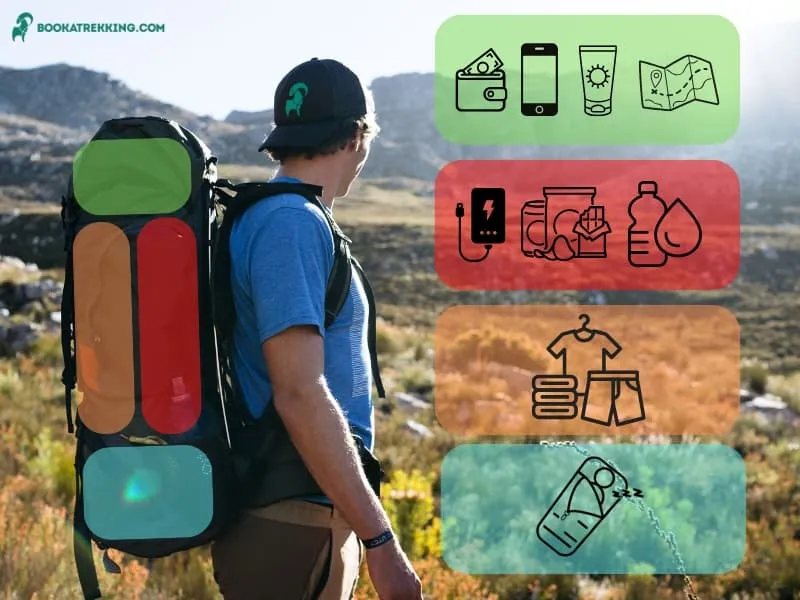
Credit: bookatrekking.com
Hydration And Nutrition
Staying hydrated and fueled is key for adventure travel. Your body needs water and food to keep going.
Packing the right items helps you stay strong and enjoy your trip safely.
Water Bottles And Filters
Bring reusable water bottles to carry enough water on your adventures. Choose bottles that are light and sturdy.
Water filters remove harmful germs from natural water sources. They let you refill safely from rivers or lakes.
- Use bottles made of BPA-free plastic or metal
- Pick bottles with wide mouths for easy cleaning
- Carry a portable water filter or purifier
- Test filters before the trip to ensure they work
Energy-rich Snacks
Pack snacks that give you quick energy. They help keep your strength during long hikes or activities.
Choose snacks high in protein, healthy fats, and carbs. These keep you full and energized.
- Trail mix with nuts and dried fruits
- Energy bars or granola bars
- Peanut butter or nut butter packets
- Jerky made from beef or turkey
- Fresh fruit like apples or bananas
Meal Planning For Adventure
Plan meals that are easy to cook or eat on the go. Keep food light but nutritious.
Balance your meals with protein, carbs, and fats. Think about how long your trip will last and pack accordingly.
- Instant oatmeal or cereal for breakfast
- Dehydrated or freeze-dried meals
- Canned tuna or chicken for protein
- Whole grain crackers or rice cakes
- Powdered drink mixes for extra electrolytes
Tech And Gadgets
Packing the right tech can make your adventure travel easier and more fun. Small gadgets help you stay connected and capture memories.
Choose gear that is light, durable, and useful for your trip. Focus on tools that save space and add convenience.
Portable Chargers And Batteries
Portable chargers keep your devices powered without finding an outlet. Look for chargers with high capacity and fast charging.
Extra batteries are important for cameras and other devices. Carry batteries that match your gear to avoid running out of power.
- Choose power banks with at least 10,000mAh capacity
- Pick chargers with multiple USB ports
- Bring spare batteries for cameras and flashlights
- Use lightweight and compact designs
Cameras And Action Cams
Cameras capture your adventure moments. Action cams are good for active and underwater shots.
Choose durable cameras that resist water and shocks. Small cameras are easier to carry on hikes and trips.
- Use action cams for biking, hiking, and water sports
- Bring extra memory cards and batteries
- Consider waterproof or rugged camera models
- Use a wrist or chest mount for hands-free filming
Multi-tools And Repair Kits
Multi-tools combine many useful tools in one small device. They help fix gear or solve small problems on the road.
Repair kits include patches, screwdrivers, and other items for quick fixes. They keep your equipment working during your trip.
- Carry a multi-tool with knife, pliers, and scissors
- Include patch kits for tents, sleeping pads, and tubes
- Bring small screwdrivers and duct tape
- Keep a sewing kit for clothing repairs
Packing Tips And Tricks
Packing for adventure travel can be tricky. You need to bring the right gear but keep your bag light and organized.
Smart packing helps you find items quickly and saves space. Use simple tricks to pack better and travel easier.
Organizing With Packing Cubes
Packing cubes help keep your clothes and gear sorted. They divide your bag into sections for easy access.
Use different cubes for clothes, toiletries, and electronics. This stops your bag from becoming a mess.
- Choose cubes in different sizes to fit various items
- Label cubes or use clear ones to see contents
- Compress cubes to save extra space
- Keep dirty clothes in a separate cube
Weight Distribution Strategies
Distribute weight evenly in your backpack for comfort. Heavy items should sit close to your back and near the center.
Place lighter items on top and in outer pockets. This balance reduces strain on your shoulders and back.
- Put heavy gear like shoes and water near the bottom
- Keep frequently used items in easy-to-reach spots
- Avoid having one side heavier than the other
- Adjust straps to keep weight close to your body
Minimizing Bulk And Maximizing Space
Roll your clothes instead of folding to save space. Rolling also helps reduce wrinkles.
Use small containers for liquids and pack multi-use items. This cuts down on extra bulk in your bag.
- Wear your bulkiest clothes during travel
- Stuff socks or small items inside shoes
- Use vacuum bags to compress clothes
- Choose lightweight and compact gear
Frequently Asked Questions
What Essential Gear Should I Pack For Adventure Travel?
Pack versatile clothing, sturdy hiking boots, a first-aid kit, and weather-appropriate gear. Include a reliable backpack and navigation tools. Don’t forget water purification and multi-purpose tools for safety and convenience during your adventure.
How To Pack Light For Adventure Travel Trips?
Choose lightweight, quick-dry clothing and multi-use items. Limit shoes to essential pairs and use packing cubes. Prioritize compact and essential gear to keep your luggage manageable and travel comfortable.
What Safety Items Are Crucial For Adventure Travel?
Carry a first-aid kit, whistle, flashlight, and emergency blanket. Include insect repellent and sunscreen. Having a portable charger and personal identification can also enhance your safety during trips.
Should I Bring Tech Gadgets On Adventure Travel?
Bring only necessary gadgets like a smartphone, GPS device, and power bank. Avoid heavy electronics. These tools help with navigation, communication, and capturing memories without adding extra bulk.
Conclusion
Packing smart makes adventure travel more fun and stress-free. Choose items that suit your trip and stay light. Always include essentials like sturdy shoes, weather gear, and a first aid kit. Prepare for surprises but avoid overpacking. Remember, less weight means more freedom to explore.
Ready gear helps you enjoy every moment safely. Adventure awaits—pack well and go!