Have you ever come across a notice saying “travel restricted to this destination” and wondered what it really means for your plans? You might be feeling confused or even frustrated about what you can and cannot do.
Understanding these travel restrictions is crucial before you pack your bags. You’ll discover exactly what travel restrictions involve, why they happen, and how they might affect your next trip. Keep reading to stay informed and avoid surprises that could disrupt your travel experience.

Credit: www.usatoday.com
Travel Restrictions Explained
Understanding what “travel restricted to this destination” means can save you from unexpected hassles. Travel restrictions are rules set by governments or authorities that limit or control who can enter a place and under what conditions. Knowing the details helps you plan better and avoid surprises at the airport or border.
Types Of Travel Restrictions
Travel restrictions come in various forms, each affecting your trip differently. Some common types include:
- Entry Bans:Complete prohibition on travelers from certain countries or regions.
- Quarantine Requirements:Mandatory isolation period upon arrival, often at your own expense.
- Visa Limitations:Restrictions on visa issuance or specific visa types allowed.
- Health Checks and Testing:Required COVID-19 tests or vaccination proof before entry.
- Curfews and Movement Controls:Limits on when and where you can travel within the destination.
Each type changes the ease of travel and can impact your overall experience. Have you checked which of these might affect your trip?
Reasons Behind Restrictions
Travel restrictions aren’t random. They usually respond to real concerns that affect public safety and order. The main reasons include:
- Health Risks:Preventing the spread of diseases like COVID-19 or other outbreaks.
- Security Issues:Protecting against terrorism, crime, or political instability.
- Environmental Concerns:Preserving sensitive ecosystems by limiting tourist numbers.
- Diplomatic Relations:Restrictions due to political disagreements between countries.
Understanding these reasons helps you respect the rules and appreciate the bigger picture. Have you ever thought about how your travel might affect local communities?
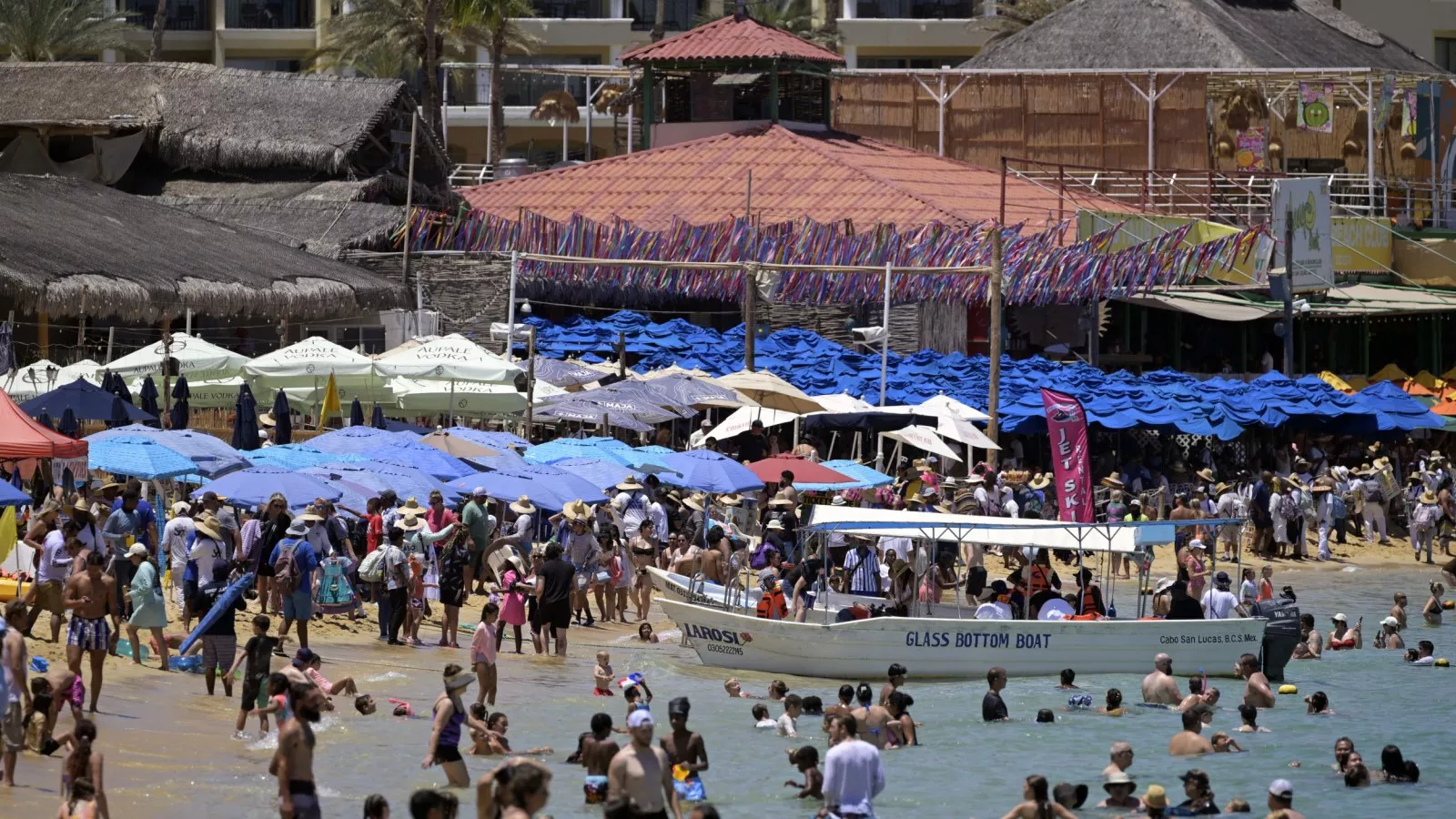
Credit: www.newsweek.com
Impacts On Travelers
Travel restrictions to a destination change how travelers plan and experience their trips. These limits affect many parts of travel, from paperwork to daily plans. Understanding these impacts helps travelers avoid problems and stay safe.
Entry Requirements And Documentation
Restricted destinations often need extra documents for entry. Travelers might need special visas or permits. Some places require recent health checks or vaccination proofs. Always check the official rules before booking. Airlines and border control officers also check these documents carefully. Missing paperwork can lead to denied entry or delays.
Effects On Travel Plans And Itineraries
Restrictions can force travelers to change their schedules. Some activities or locations may be off-limits. Flights might be limited or canceled without much notice. Travelers should prepare for last-minute changes. It is wise to have flexible bookings and backup plans. Travel insurance is also important in these situations. Staying informed about updates helps reduce surprises and stress.
Government And Health Policies
Government and health policies play a crucial role in defining what it means when travel is restricted to a specific destination. These policies are designed to protect public health and safety, especially during outbreaks or other emergencies. Understanding these rules helps you prepare better and avoid unexpected travel disruptions.
Role Of Health Guidelines
Health guidelines set by governments and health organizations dictate who can enter a destination and under what conditions. These rules often include vaccination requirements, testing protocols, and quarantine measures.
For example, some countries require proof of a negative COVID-19 test taken within 72 hours before arrival. Others may demand travelers to be fully vaccinated or to quarantine for several days upon entry.
Have you ever booked a trip only to find out last minute about new testing rules? This shows how dynamic health guidelines can be and why staying updated is essential.
Enforcement Measures
Enforcement of travel restrictions can involve checkpoints, document verification, and even fines or deportation for non-compliance. Airports and border crossings often have dedicated teams to ensure travelers meet all health requirements.
These measures may also include mandatory health screenings or electronic tracking during your stay. Ignoring these rules can lead to denied entry or forced quarantine, disrupting your travel plans significantly.
Think about how enforcement affects your travel experience. Are you prepared to follow these rules strictly, or would you prefer destinations with fewer restrictions?
Exceptions And Special Cases
Travel restrictions often include exceptions and special cases. These rules allow certain people to enter or leave a restricted destination despite the ban. Understanding these exceptions helps travelers plan better and avoid confusion at borders. Many exceptions focus on essential needs or special roles.
Essential Travel Categories
Essential travel includes trips necessary for work, health, or family emergencies. People in these categories may get permission to travel during restrictions. Common examples are:
- Healthcare workers and emergency responders
- People traveling for urgent medical treatment
- Individuals attending funerals or visiting seriously ill relatives
- Workers in critical industries like food supply or utilities
Authorities usually require proof for essential travel. This can include letters from employers or doctors. These rules keep vital services running and support urgent personal matters.
Diplomatic And Humanitarian Exceptions
Diplomatic and humanitarian exceptions apply to officials and aid workers. Diplomats, government envoys, and international organization staff often travel despite restrictions. Their work supports international relations and crisis response.
Humanitarian workers help with disaster relief, refugee aid, and health emergencies. They must show proper identification and authorization. These exceptions allow important missions to continue without delays.
Both diplomatic and humanitarian travelers may face health checks or quarantine rules. These measures protect the local population while allowing essential work to proceed.
How To Stay Updated
Keeping yourself informed about travel restrictions is essential to avoid last-minute surprises. Rules can change quickly, often without much notice. Staying updated helps you plan better and ensures a smooth travel experience.
Reliable Sources For Travel Information
Start with official government websites. They provide the most accurate and current travel advisories for each destination.
- Embassy or consulate websites of the country you plan to visit
- Official tourism boards
- Government health departments
Also, check trusted international organizations like the World Health Organization or the International Air Transport Association. They often have global updates on travel conditions and health risks.
Monitoring Changes In Restrictions
Set up alerts from news apps or travel advisory platforms to receive real-time updates. This way, you won’t miss sudden changes that could affect your trip.
Follow social media accounts of official sources. They often post quick updates and answer traveler questions directly.
Have you ever booked a trip only to find out days before that the rules changed? Monitoring updates daily can save you from that headache and financial loss.
Preparing For Restricted Destinations
Traveling to destinations with restrictions means you need to plan carefully. These restrictions can include entry requirements, quarantine rules, or limited access to certain areas. Preparing well helps avoid surprises and keeps your trip smooth and enjoyable.
Travel Insurance Considerations
Check if your travel insurance covers restricted destinations before you book. Some policies exclude coverage for trips to places with travel bans or health risks. You want to be sure your insurance will handle cancellations, medical emergencies, or unexpected changes.
Look for insurance that includes:
- Trip cancellation or interruption protection
- Coverage for quarantine costs
- Medical evacuation and treatment
Have you ever faced a situation where your insurance didn’t cover your destination? It’s frustrating and costly. Avoid this by reading the fine print and calling your provider to confirm details.
Alternative Travel Options
If your original destination is restricted, consider other places with similar experiences but fewer limitations. This keeps your travel plans alive without compromising safety or legal requirements.
Think about:
- Nearby countries or cities with open borders
- Domestic travel to discover hidden gems in your own country
- Virtual tours or cultural experiences online as a temporary option
What unique experiences might you find by choosing an alternative destination? Sometimes, these options offer unexpected adventures that become your best travel memories.
Credit: amtrakoig.gov
Frequently Asked Questions
What Does “travel Restricted To This Destination” Mean?
It means travelers can only enter a specific place. Movement outside that area is limited or prohibited temporarily.
Why Are Travel Restrictions Imposed On Destinations?
Restrictions protect public health, control disease spread, or address safety concerns during emergencies or pandemics.
How Do Travel Restrictions Affect My Trip Plans?
They limit where you can go, may require permits, and could cause cancellations or rescheduling.
Can I Travel If My Destination Is Restricted?
Usually, only essential travel is allowed. Non-essential travelers may face denial of entry or penalties.
Conclusion
Travel restrictions mean you must follow special rules to enter a place. These rules can change often. Always check official sources before planning your trip. Knowing these limits helps you avoid problems at the border. Stay updated to keep your travel safe and smooth.
Understanding travel restrictions saves time and stress. It helps you prepare better for your journey. Remember, rules protect your health and safety too. Plan carefully and enjoy your travels with peace of mind.