Choosing the right camera for your travel adventures can feel overwhelming. You want to capture every stunning sunset, bustling market, and serene landscape you encounter.
But should you pack a bridge camera or a mirrorless one? Each option has its own perks and pitfalls, and your choice can make a big difference in how you document your journeys. Imagine effortlessly snapping vibrant photos without lugging around heavy gear.
Or maybe you’d prefer versatile control to capture the perfect shot. We’ll explore the ins and outs of both camera types, helping you decide which fits your travel style best. Stay with us as we delve into the world of travel photography and guide you towards the ideal choice for your next adventure.
Bridge Camera Features
Bridge cameras are a popular choice for travel. They offer a mix of features from simple cameras and advanced ones.
This makes them easy to use while still giving good photo quality and flexibility.
Zoom Capabilities
Bridge cameras often have long zoom lenses built-in. This lets you take photos of far-away subjects.
The zoom range is usually wider than mirrorless cameras with standard lenses. You can capture landscapes and close-ups without changing lenses.
- Superzoom lenses cover wide to telephoto ranges
- No need to carry extra lenses
- Good for wildlife and city scenes
Image Stabilization
Many bridge cameras include built-in image stabilization. This helps reduce blur from shaky hands.
It is useful when zooming in or shooting in low light. The camera keeps images sharp without a tripod.
- Optical stabilization in the lens
- Electronic stabilization in the sensor
- Improves photo and video quality
Portability And Size
Bridge cameras are larger than compact cameras but smaller than DSLRs. They balance size and features well.
You can carry them easily on trips. They fit in a small bag and do not need lens changes.
- Lightweight compared to mirrorless with multiple lenses
- One body with built-in zoom lens
- Good for travel without heavy gear
Mirrorless Camera Features
Choosing the right camera for travel can be tough. Mirrorless cameras offer many useful features.
These cameras are popular for their quality and ease of use. Let’s explore some key features.
Sensor Quality
Mirrorless cameras usually have large sensors. Bigger sensors capture more light and detail.
This helps create clear and sharp photos, even in low light. Sensor quality improves picture colors and sharpness.
Interchangeable Lenses
Mirrorless cameras let you change lenses easily. You can pick lenses for different types of photos.
Wide-angle lenses are good for landscapes. Telephoto lenses help you take close-up shots from far away.
- Standard zoom for everyday use
- Macro lenses for close detail photos
- Prime lenses for sharp images and low light
Compact Design
Mirrorless cameras are smaller and lighter than many cameras. Their compact size makes them easy to carry.
This design is perfect for travel. You can pack them in small bags and carry them all day without feeling tired.
Image Quality Comparison
Choosing between a bridge camera and a mirrorless camera for travel depends on image quality. Both types offer good results but differ in key areas.
Understanding their strengths helps you pick the right camera for your travel photos.
Low Light Performance
Mirrorless cameras usually have larger sensors than bridge cameras. This helps them capture more light in dark places.
Bridge cameras often have smaller sensors and struggle more in low light. This can cause grainy or blurry photos.
- Mirrorless cameras perform better in dim settings
- Bridge cameras may need flash or higher ISO
- Image noise is less in mirrorless photos
Color Accuracy
Mirrorless cameras tend to produce more natural and vibrant colors. Their sensors and processors handle color better.
Bridge cameras can sometimes show less accurate colors, especially in tricky lighting. This affects how true your photos look.
- Mirrorless cameras provide richer color depth
- Bridge cameras may need color adjustments in editing
- Both cameras can capture good colors in bright light
Detail And Sharpness
Mirrorless cameras often have better lenses and bigger sensors. This helps capture more detail and sharper images.
Bridge cameras use smaller sensors and zoom lenses. Their photos may lose some sharpness at long zooms.
| Camera Type | Detail Quality | Sharpness at Zoom |
|---|---|---|
| Mirrorless | High detail | Sharp even at zoom |
| Bridge | Good detail | Less sharp at max zoom |
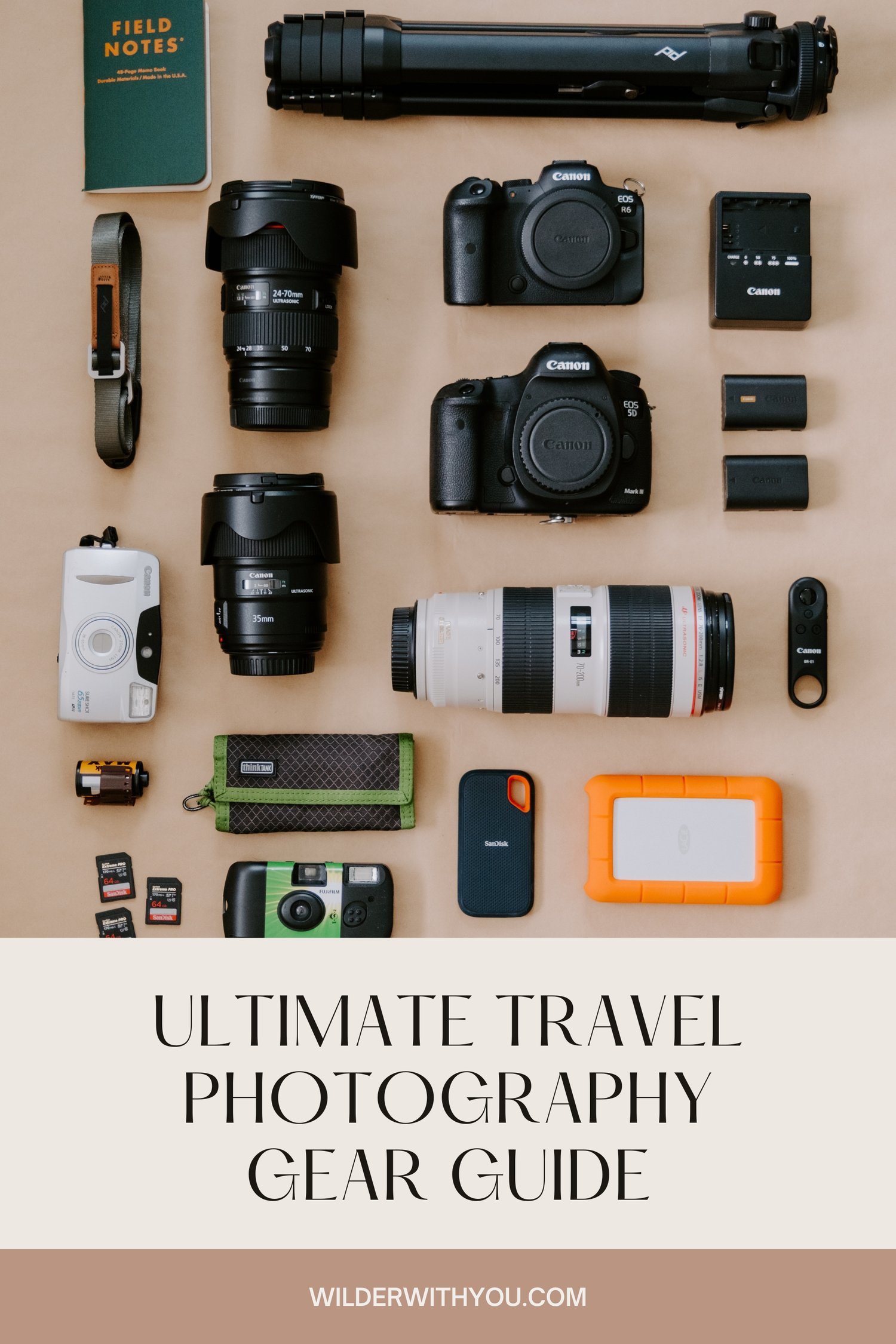
Credit: www.wilderwithyou.com
Ease Of Use
Choosing between a bridge camera and a mirrorless camera for travel depends on how easy they are to use. Ease of use helps you enjoy your trip without struggling with your gear.
We will look at user interface, autofocus speed, and manual controls to help you decide which camera suits your travel style.
User Interface
Bridge cameras usually have simple menus and buttons. They are designed for quick shooting without much setup.
Mirrorless cameras offer more advanced menus. They can take time to learn but allow more customization.
- Bridge cameras: straightforward and easy to navigate
- Mirrorless cameras: complex but flexible
- Bridge cameras suit beginners better
Autofocus Speed
Autofocus speed is important for catching moments fast. Bridge cameras have decent autofocus but can be slower in low light.
Mirrorless cameras have faster autofocus with better tracking. They work well for moving subjects and changing scenes.
- Bridge cameras: good autofocus for static shots
- Mirrorless cameras: quick and accurate autofocus
- Mirrorless is better for action and fast travel shots
Manual Controls
Bridge cameras have basic manual controls. You can change settings but options are limited.
Mirrorless cameras offer full manual controls. You can adjust shutter speed, aperture, and ISO easily.
- Bridge cameras: simple manual controls for beginners
- Mirrorless cameras: advanced controls for creativity
- Mirrorless is better if you want full control over photos
Battery Life And Storage
Choosing between a bridge camera and a mirrorless camera for travel depends on many factors. Battery life and storage play a big role. These affect how long you can shoot and how much you can save.
Travel photographers need reliable batteries and enough memory cards. This helps avoid missing special moments or running out of space.
Battery Longevity
Bridge cameras usually have longer battery life than mirrorless cameras. They use less power because of smaller sensors and simpler designs. This helps when you travel to places without easy charging options.
Mirrorless cameras use more power due to electronic viewfinders and bigger sensors. You may need to carry extra batteries or charge often. Still, many new mirrorless models improve battery life steadily.
- Bridge cameras last longer on one charge.
- Mirrorless cameras drain batteries faster.
- Carry extra batteries for mirrorless when traveling.
- Use power-saving modes to extend battery life.
Memory Card Options
Both bridge and mirrorless cameras use memory cards to store photos and videos. Most support SD cards, which are easy to find and affordable. Some mirrorless cameras also support faster cards like CFexpress or XQD.
Bridge cameras usually rely on one memory card slot, while mirrorless cameras may have two slots. Dual slots allow you to back up photos instantly or separate file types. This is helpful on long trips with limited access to computers.
- Bridge cameras mostly use SD cards with one slot.
- Mirrorless cameras can have one or two slots.
- Two slots help back up photos automatically.
- High-speed cards improve shooting and video quality.
Cost And Value
Choosing between a bridge camera and a mirrorless camera for travel can affect your budget. Understanding costs helps you pick the best option.
Both types offer good value but differ in price and ongoing costs. Let’s look at the initial investment and long-term expenses.
Initial Investment
Bridge cameras usually cost less upfront than mirrorless cameras. They come with a built-in zoom lens, so you save money on extra lenses.
Mirrorless cameras are more expensive at first. You often need to buy lenses separately, increasing the initial cost.
- Bridge camera price range: $300 to $700
- Mirrorless camera body only: $500 to $1500
- Mirrorless lenses cost $200 to $1000 each
- Bridge camera includes zoom lens
Long-term Expenses
Bridge cameras have fewer extra costs. You usually keep the same camera and lens for years without buying more gear.
Mirrorless cameras may cost more over time. You might want different lenses or accessories to improve your photos.
- Bridge camera needs less lens buying
- Mirrorless users often buy multiple lenses
- Mirrorless accessories can add to costs
- Both need regular maintenance and care
Best Use Cases For Travel
Choosing the right camera for travel depends on your trip style. Bridge cameras and mirrorless cameras each offer unique benefits. This helps you capture memories the way you want.
Think about what type of travel you will do. Your choice should fit your needs for size, zoom, and image quality.
Adventure Trips
Adventure trips need a camera that is easy to carry and tough. Bridge cameras often have long zoom lenses built-in. This helps you shoot from far away without changing lenses.
Mirrorless cameras are lighter and produce sharper images. But they may need extra lenses and accessories. This can add weight and cost.
- Bridge cameras are good for hiking and biking.
- Mirrorless cameras suit fast action shots.
- Choose based on how much gear you want to carry.
City Exploration
City trips call for a compact and flexible camera. Mirrorless cameras are small and easy to use. They offer high image quality for street photography.
Bridge cameras can zoom in on details like architecture. They are ready to shoot without lens changes. This saves time while walking around.
- Mirrorless cameras fit in small bags or pockets.
- Bridge cameras have a versatile zoom lens.
- Both work well for casual and detailed shots.
Wildlife Photography
Wildlife photography requires long zoom and quick focus. Bridge cameras usually have very long zoom lenses built-in. This helps capture animals from a safe distance.
Mirrorless cameras offer faster focus and better image quality. They need telephoto lenses, which can be heavy and costly.
- Bridge cameras are lighter and easier for long zoom.
- Mirrorless cameras give sharper pictures with better lenses.
- Choose based on your budget and how far you want to zoom.
Portability And Convenience
Choosing the right camera for travel depends on how easy it is to carry. Portability and convenience matter most on trips.
Bridge cameras and mirrorless cameras offer different benefits for travel. Consider these points to decide which fits your needs.
Weight Considerations
Bridge cameras usually weigh more than mirrorless cameras. They have built-in zoom lenses, which add weight.
Mirrorless cameras are lighter because they often use interchangeable lenses. You can carry only the lenses you need.
- Bridge cameras: heavier, all-in-one design
- Mirrorless cameras: lighter, lens options vary weight
- Lighter gear means less fatigue during travel
Carrying Options
Bridge cameras are simpler to carry. You just need one case or strap because the lens is fixed.
Mirrorless cameras need more space if you bring extra lenses. You may need a larger bag or more pouches.
- Bridge cameras fit in smaller bags or large pockets
- Mirrorless cameras require padded bags for lenses
- Choose carrying options based on your travel style
Final Decision Factors
Choosing between a bridge camera and a mirrorless camera for travel depends on key factors. These factors help you pick the best camera for your needs.
Consider how you take photos, your budget, and plans for upgrades before deciding.
Personal Photography Style
Your photography style affects which camera suits you best. Bridge cameras work well if you like zooming without changing lenses.
If you prefer creative control and changing lenses, mirrorless cameras fit better. Think about the types of photos you want to take.
- Bridge cameras: good for casual and zoom shots
- Mirrorless cameras: ideal for varied styles and manual settings
- Choose based on subjects and shooting conditions
Budget Constraints
Budget plays a big role in your camera choice. Bridge cameras usually cost less and include a built-in zoom lens.
Mirrorless cameras tend to be pricier, especially with extra lenses. Think about how much you want to spend now and later.
- Bridge cameras: lower cost, all-in-one design
- Mirrorless cameras: higher initial cost, lens purchases add up
- Consider extra gear costs for mirrorless systems
Future Upgrades
Plan if you want to upgrade your camera gear over time. Mirrorless cameras offer more upgrade options with lenses and accessories.
Bridge cameras have limited upgrade paths since their lens is fixed. Think about how your photography might grow.
- Mirrorless: many lenses and accessories available
- Bridge: limited to the camera’s built-in features
- Choose mirrorless for long-term gear growth

Credit: www.reddit.com

Credit: www.youtube.com
Frequently Asked Questions
What Are The Main Differences Between Bridge And Mirrorless Cameras?
Bridge cameras have fixed lenses with long zooms, ideal for convenience. Mirrorless cameras offer interchangeable lenses, better image quality, and more control, suitable for enthusiasts and professionals.
Which Camera Is Better For Lightweight Travel Photography?
Bridge cameras are generally lighter and more compact, perfect for hassle-free travel. Mirrorless cameras can be bulkier but offer superior image quality and versatility.
Can Mirrorless Cameras Replace Bridge Cameras For Travel Use?
Yes, mirrorless cameras can replace bridge cameras if you want better quality and lens options. However, they may require carrying extra lenses and accessories.
Are Bridge Cameras More Budget-friendly Than Mirrorless Cameras?
Bridge cameras usually cost less, making them great for beginners or casual travelers. Mirrorless cameras tend to be pricier due to advanced features and interchangeable lenses.
Conclusion
Choosing between a bridge camera and a mirrorless camera depends on your travel needs. Bridge cameras offer zoom and ease in one body. Mirrorless cameras provide better image quality and flexibility. Think about your budget, size preference, and photo goals.
Both cameras can capture great travel memories. Pick the one that fits your style and plans best. Enjoy your travels and happy shooting!