Traveling with a camping stove can open up a world of tasty meals and warm drinks, no matter where you are. But packing and using your stove safely isn’t always simple.
You might wonder how to carry it without trouble, what rules you need to follow, or how to keep it clean on the go. This guide will help you take your camping stove along with confidence, so you can enjoy every trip without stress.
Ready to learn the best tips and tricks for traveling with your camping stove? Let’s dive in!

Credit: www.amazon.com
Choosing The Right Camping Stove
Picking the right camping stove makes cooking easier on your trip. It affects how much you carry and how fast you cook.
Think about where you will camp and what food you want to cook. This helps you find a stove that fits your needs.
Types Of Camping Stoves
Camping stoves come in different types. Each type works best in certain conditions and for different cooking needs.
- Canister Stoves: Easy to use and light. Good for short trips.
- Liquid Fuel Stoves: Use gasoline or kerosene. Work well in cold places.
- Wood Burning Stoves: Use sticks or twigs. No need to carry fuel.
- Alcohol Stoves: Simple and quiet. Use alcohol fuel.
Fuel Options And Their Benefits
Stoves use different fuels. Each fuel has benefits for camping and travel.
- Gas Canisters: Clean and easy to find. Best for quick cooking.
- White Gas: Burns well in cold weather. Good for long trips.
- Alcohol: Light and safe. Fuel is cheap and easy to carry.
- Wood: Free and natural. Good if you camp in wooded areas.
Size And Weight Considerations
Size and weight matter for carrying your stove. Light and small stoves are best for hiking.
Think about how much space you have and how heavy your pack is. Choose a stove you can carry comfortably.
- Compact stoves save space in your backpack.
- Lightweight stoves reduce your load.
- Heavier stoves may be more stable for cooking.
- Consider stove size based on your cooking needs.
Packing Your Camping Stove
Packing your camping stove carefully makes your trip easier and safer. It helps keep your gear organized and ready to use.
Good packing also protects your stove from damage during travel. It saves space and avoids spills or leaks.
Essential Accessories To Bring
Bring accessories that help you cook and keep your stove working well. Small tools and parts make a big difference outdoors.
- Windshield to protect the flame from wind
- Matches or a lighter for easy ignition
- Cleaning brush or cloth to keep the stove clean
- Pot gripper for safe handling of hot cookware
- Heat-resistant gloves for safety
Packing For Protection And Safety
Protect your stove from bumps and leaks by packing it well. Use sturdy containers or bags for safety.
Keep fuel separate from the stove. Avoid packing fuel near sharp items or heat sources.
- Wrap the stove in a towel or bubble wrap
- Use a hard case or a padded bag
- Seal fuel containers tightly
- Label fuel containers clearly
- Store fuel upright and away from flames
Organizing Fuel And Spare Parts
Keep fuel and spare parts in one place for easy access. This helps when you need quick repairs or refills.
Use small containers or bags to separate parts. Check your stove before packing to know what spares to bring.
- Extra fuel canisters or bottles
- Spare O-rings and seals
- Small wrench or multi-tool
- Repair kit for your stove model
- Instruction manual or notes
Safe Transportation Tips
Traveling with a camping stove requires care. Safety is important to avoid accidents.
Follow simple rules to keep your stove and fuel safe during travel.
Handling Fuel Canisters
Fuel canisters are pressurized and flammable. Handle them gently and keep them upright.
Check for leaks before packing. Do not use damaged or rusty canisters.
- Keep canisters away from heat and direct sunlight
- Store in a cool, dry place during travel
- Use protective caps on valves to prevent leaks
Avoiding Damage During Travel
Protect your camping stove from bumps and drops. Use padded bags or cases.
Separate fuel canisters from the stove to reduce risk of damage or leaks.
- Wrap stove parts in cloth or foam for extra padding
- Place canisters in upright position in a sturdy container
- Check stove and fuel for damage after travel
Regulations For Transporting Fuel
Many places have rules about carrying fuel canisters. Know these rules before you travel.
Airlines often restrict or ban fuel canisters in carry-on and checked luggage.
- Check airline and local laws about fuel transport
- Declare fuel canisters if required by authorities
- Use approved containers for fuel transport
- Do not carry fuel canisters in passenger cabins on planes
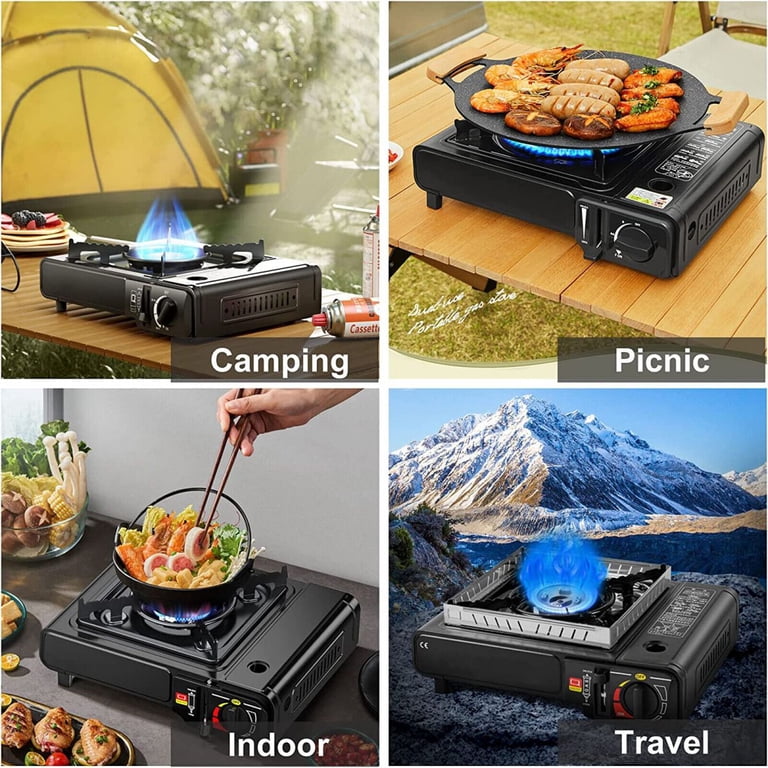
Credit: www.walmart.com
Setting Up Your Stove Outdoors
Using a camping stove outdoors lets you cook meals away from home. Setting it up correctly keeps you safe and makes cooking easier.
Follow simple steps to choose a good spot, set your stove right, and handle weather changes.
Choosing A Safe Cooking Location
Pick a flat area away from dry grass or leaves. This lowers the risk of fire. Avoid places near tents or gear.
Clear the ground of sticks, rocks, and dirt. This helps keep the stove stable and prevents accidents.
- Find flat, hard ground
- Keep away from flammable materials
- Stay clear of tents and sleeping bags
- Clear debris before cooking
Stove Setup And Stability
Set your stove on a level surface. This stops it from tipping over during cooking. Use a stove stand if the ground is uneven.
Make sure all connections are tight. Check fuel canisters and hoses for leaks before lighting the stove.
- Place stove on flat ground or use a stand
- Tighten fuel connections securely
- Inspect stove parts for damage
- Test for leaks before lighting
Managing Wind And Weather
Wind can make flames weak or blow them out. Use a windscreen to protect your stove but keep it far enough to avoid heat build-up.
Check the weather before cooking. If rain or strong wind comes, pause cooking and wait for safe conditions.
- Use a windscreen around the stove
- Keep windscreen at a safe distance
- Watch the weather forecast
- Stop cooking in heavy rain or wind
Operating The Stove Safely
Traveling with a camping stove requires care and attention. Using it safely helps avoid accidents and keeps you safe outdoors.
Learn important tips on how to handle your stove properly. This will make your cooking experience smooth and safe.
Ignition And Flame Control
Always ignite your camping stove in a well-ventilated area. Keep your face and hands away from the burner when lighting it.
Adjust the flame to a low or medium setting for better control. Avoid high flames that can cause flare-ups or waste fuel.
- Check for gas leaks before lighting
- Use a long lighter or match for ignition
- Turn the flame off slowly to avoid gas bursts
Cooking Tips For Efficiency
Use pots and pans that fit your stove size. This helps heat your food faster and saves fuel.
Cover your pots with lids while cooking. It keeps heat inside and reduces cooking time.
- Pre-cut ingredients to cook quickly
- Cook simple meals to save fuel
- Keep the stove clean for better heat
Preventing Accidents And Burns
Place your stove on a flat, stable surface away from flammable materials. This prevents tipping and fire risks.
Always use heat-resistant gloves or tools when handling hot pots. Keep children and pets away from the stove area.
- Turn off the stove before moving it
- Keep a first aid kit nearby
- Never leave the stove unattended while on
Cleaning And Maintenance On The Go
Traveling with a camping stove means keeping it clean and working well. This helps the stove last longer and cook safely. Doing simple cleaning and care after cooking keeps the stove ready for your next trip.
Here are easy tips to clean and maintain your camping stove while you travel. Follow these steps to protect your stove and enjoy cooking outdoors.
Post-cooking Cleanup
After cooking, let the stove cool down before cleaning. Remove any leftover food or spills quickly. Use a damp cloth or sponge to wipe the stove’s surface. Avoid using harsh chemicals that can damage the stove.
Cleaning the burner area is important. Clear dirt or food bits from holes where the flame comes out. This keeps the flame steady and strong.
- Turn off and cool the stove fully
- Wipe spills with a damp cloth
- Clear burner holes gently
- Do not soak the stove in water
- Use mild soap if needed
Maintaining Stove Performance
Check your stove parts regularly during travel. Look for cracks, rust, or loose connections. Tighten screws and fittings to avoid gas leaks. If your stove uses fuel canisters, inspect them for damage.
Keep the fuel line clean. Blow air through it if you notice poor flame or low heat. Use a small brush to clean burner jets if possible. Regular checks help the stove work well and safely.
- Inspect stove for damage each day
- Tighten loose screws and parts
- Check fuel canisters for dents or rust
- Clean fuel line with air or brush
- Test stove flame before cooking
Storing The Stove For Next Use
Store your camping stove in a dry place to prevent rust. Remove fuel canisters before packing. Keep stove parts separate if possible to avoid damage. Use a stove bag or box for protection.
Make sure the stove is completely dry before storing. Moisture can cause parts to corrode or break. Proper storage helps your stove stay clean and ready for your next trip.
- Remove fuel canisters before storage
- Dry the stove fully after cleaning
- Use a protective case or bag
- Store in a cool, dry place
- Keep parts organized and separate

Credit: www.youtube.com
Frequently Asked Questions
How To Pack A Camping Stove Safely For Travel?
Pack your camping stove in a sturdy, padded case. Remove fuel canisters to avoid leaks. Secure all parts tightly. Keep it separate from sharp objects. This prevents damage and ensures safe transport during travel.
Can I Bring A Camping Stove On A Plane?
Most airlines prohibit carrying fuel canisters on planes. You can bring the stove without fuel. Always check airline rules before flying. Transport fuel separately in approved containers if allowed. Safety regulations vary, so confirm before your trip.
What Types Of Camping Stoves Are Best For Travel?
Lightweight, compact stoves are ideal for travel. Single-burner canister stoves are easy to carry. Multi-fuel stoves offer versatility but may be heavier. Choose based on trip length and fuel availability. Portability and fuel type matter most.
How To Use A Camping Stove Safely Outdoors?
Set your stove on a flat, stable surface. Keep it away from flammable materials and wind. Use it in well-ventilated areas only. Never leave the stove unattended while lit. Follow manufacturer instructions to prevent accidents.
Conclusion
Traveling with a camping stove enhances your outdoor experience. It provides warmth and hot meals. Always pack it safely to prevent damage. Choose lightweight models for easier carrying. Practice setting it up before your trip. This saves time during your adventure.
Fuel selection matters. Pick the right one for your stove type. Clean your stove regularly to maintain its efficiency. Respect nature by following safety guidelines. Dispose of waste properly to preserve the environment. Enjoy the freedom and comfort a camping stove brings to your travels.
Happy camping!