Planning a trip can be exciting, but without a clear plan, it can quickly become overwhelming. Imagine having a simple, step-by-step guide that helps you organize your days, saves you time, and ensures you don’t miss out on anything important.
That’s exactly what a well-set travel itinerary does for you. If you want to make your next trip smooth and stress-free, this article will show you how to set up a travel itinerary that fits your style and needs perfectly.
Ready to take control of your travel plans? Let’s get started!
Benefits Of A Travel Itinerary
A travel itinerary helps organize your trip details in one place. It saves time and reduces stress.
With a clear plan, you can enjoy your travels without worrying about missing important activities.
Keeps You Organized
An itinerary lists all your travel details like flights, hotels, and tours. This keeps everything easy to find.
Saves Time And Money
Planning ahead helps you avoid last-minute bookings. This often means better prices and less waiting.
Helps Manage Your Time
An itinerary shows your daily schedule. You can balance sightseeing and rest to avoid fatigue.
- Plan travel times between places
- Schedule breaks and meal times
- Include extra time for unexpected delays
Reduces Travel Stress
Knowing your plans helps you feel calm and confident. You won’t worry about what to do next.
Improves Communication
| Who Needs It | How It Helps |
| Travel Partners | Everyone knows the plan and timing |
| Tour Guides | They can prepare for activities |
| Emergency Contacts | They get details for help if needed |
Choosing Your Destinations
Planning a travel itinerary starts with picking the right places to visit. Your destinations shape the whole trip.
Focus on finding spots that fit your time, budget, and interests. This makes your journey more fun and smooth.
Researching Places
Look for details about weather, costs, safety, and things to do in each place. Use travel guides, websites, and forums.
- Check the best season to visit
- Read reviews from other travelers
- Note local customs and rules
- Find nearby attractions and activities
- Look for accommodation options
Prioritizing Interests
Decide what matters most to you. This helps you choose places that match your passions and goals.
| Interest | Example Destination | Activities |
| History | Rome | Visit museums, ancient ruins |
| Nature | New Zealand | Hiking, wildlife watching |
| Beaches | Bali | Swimming, surfing |
| Food | Tokyo | Try street food, cooking classes |
| Adventure | Peru | Trekking, zip-lining |
Setting Travel Dates
Choosing the right travel dates is important for a smooth trip. It helps you avoid bad weather and busy times.
Planning your dates early lets you find better deals and enjoy your journey without stress.
Considering Weather And Seasons
Check the weather for your destination before picking travel dates. Some places have rainy or cold seasons.
Traveling in good weather means more fun and fewer problems outdoors. Avoid extreme heat or storms if possible.
- Look up average temperatures and rainfall
- Avoid hurricane or monsoon seasons
- Think about how weather affects activities you want
Aligning With Personal Schedules
Pick travel dates that fit well with your work and family plans. This helps you relax and enjoy your trip.
Check holidays and important events at home and your destination. This can affect prices and availability.
- Look at your work calendar for free days
- Coordinate with friends or family joining the trip
- Avoid dates with major events or deadlines
Booking Transportation
Booking transportation is a key part of travel planning. It helps you move smoothly from one place to another.
Choose the right transport options to save time and money on your trip.
Flights And Trains
Flights are fast for long distances. Book early for better prices.
Trains work well for regional travel. They offer scenic views and comfort.
- Compare prices on airline and train websites
- Check baggage rules before booking
- Look for flexible tickets in case plans change
- Choose direct routes to save time
Local Transport Options
Local transport includes buses, taxis, and bike rentals. It helps you explore cities easily.
Research local options before your trip. Know how to buy tickets and use apps if needed.
- Use public buses for cheap travel
- Try bike rentals for short distances
- Book taxis or ride-shares for convenience
- Check schedules and routes in advance
Selecting Accommodations
Choosing the right place to stay is important for your travel plans. It affects comfort and convenience during your trip.
Think about what type of lodging fits your needs and the best location for your activities.
Types Of Lodging
You can pick from many lodging options. Each type offers different comfort and price levels.
- Hotels: Offer many services and amenities.
- Hostels: Budget-friendly, good for social travelers.
- Vacation Rentals: Homes or apartments for more space.
- Bed and Breakfasts: Small, cozy places with breakfast included.
- Guesthouses: Family-run and personal atmosphere.
- Resorts: All-in-one places with activities and dining.
Location And Accessibility
Where you stay affects your travel time and ease of getting around. Choose a place near key spots.
Check if the lodging is close to public transport, restaurants, and attractions you want to visit.
- Close to public transportation for easy access.
- Near main attractions to save travel time.
- Safe neighborhood for peace of mind.
- Availability of parking if you rent a car.
- Accessibility features if needed for mobility.
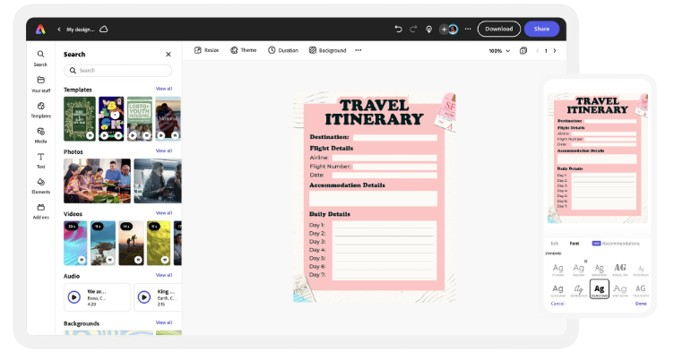
Credit: www.adobe.com
Planning Daily Activities
Organizing your daily activities is key to a successful travel itinerary. It ensures you make the most out of your trip, balancing sightseeing and rest.
Start by listing attractions and activities you wish to explore. Then, arrange them into daily schedules for a smooth travel experience.
Must-see Attractions
Identify the top attractions that you cannot miss. This might include landmarks, museums, and natural wonders. Plan your visits to these sites during less busy hours.
- Visit the Eiffel Tower in the early morning.
- Explore the Louvre Museum in the afternoon.
- Walk through Montmartre in the evening.
Balancing Relaxation And Exploration
Traveling can be tiring. Balance your itinerary by mixing exploration with downtime. This helps you enjoy each experience without exhaustion.
Consider this simple table for a balanced day:
| Time | Activity |
| 8 AM – 10 AM | Relax at a local café |
| 10 AM – 1 PM | Visit a museum |
| 1 PM – 3 PM | Lunch and rest |
| 3 PM – 6 PM | Explore a park |
| 6 PM onward | Dinner and relax |
Managing Budget And Expenses
Planning a travel itinerary needs careful money management. Keeping track of your budget helps you avoid spending too much.
Knowing your costs and tracking expenses makes your trip smooth and stress-free.
Estimating Costs
Start by listing all possible expenses for your trip. Include transport, food, lodging, and activities.
Research prices online to get accurate estimates. Add some extra money for emergencies or unexpected costs.
- Flight or train tickets
- Hotel or accommodation fees
- Daily meals and drinks
- Tickets for tours or attractions
- Local transportation like taxis or buses
- Shopping and souvenirs
- Travel insurance and emergency funds
Tracking Spending
Keep a daily record of what you spend. This helps you stay within your budget and avoid surprises.
Use a notebook or a simple app on your phone to note every cost. Check your total spending often.
- Write down all purchases immediately
- Compare daily spending to your budget
- Adjust plans if you spend too much early
- Keep receipts or take photos for proof
- Review your expenses at the end of each day
Organizing Travel Documents
Travel documents keep your trip smooth and safe. Organize them before you leave.
Keeping important papers in one place helps you avoid last-minute stress.
Passports And Visas
Check your passport expiration date early. Apply for a visa if your destination needs one.
- Keep your passport in a waterproof cover
- Make a copy of your passport and visa
- Store copies separately from the originals
- Check visa rules for your destination country
- Confirm the visa validity period
Tickets And Reservations
Gather all your tickets and booking details in one folder. This includes flights, hotels, and transport.
| Type | Details to Include | Tips |
| Flight Tickets | Flight number, date, time | Check-in online early |
| Hotel Reservations | Booking number, address | Print confirmation |
| Transport Tickets | Train, bus, or car rental info | Keep digital and paper copies |
Using Travel Apps And Tools
Travel apps make planning easier. They help you organize every part of your trip. From flights to places to eat, there’s an app for everything.
Using these tools saves time. You can access all your travel details on your phone. This means less stress and more time to enjoy your journey.
Itinerary Management Apps
Itinerary management apps help you plan your trip. They keep all your travel details in one place. This includes flights, hotels, and activities.
These apps also send reminders. They alert you about flight times or check-in deadlines. You can relax knowing you won’t miss anything important.
- TripIt: Organizes travel plans in one app
- Google Trips: Provides offline access to reservations
- Kayak: Offers price alerts and booking options
Navigation And Language Tools
Navigation tools help you find your way. They offer maps and directions. This is helpful in new cities or countries.
Language tools assist with communication. They translate words and phrases. This is useful when you don’t speak the local language.
- Google Maps: Provides detailed maps and directions
- Waze: Offers real-time traffic updates
- Duolingo: Helps learn new languages in a fun way
- Google Translate: Translates text and speech instantly
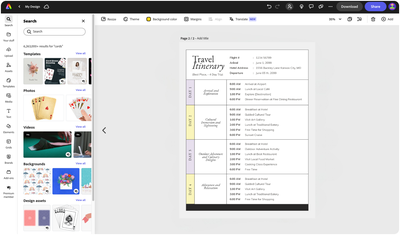
Credit: www.adobe.com
Preparing For Emergencies
Travel plans can change quickly if an emergency happens. Preparing for emergencies helps keep you safe. It also helps you stay calm and ready.
Make sure you have all needed information and supplies before your trip. This guide covers key tips to prepare for health and safety problems and emergency contacts.
Health And Safety Tips
Check your health before traveling. Pack any medicines you need. Carry a small first aid kit with bandages and pain relievers.
Stay aware of your surroundings. Avoid risky places and keep your belongings close. Drink clean water and eat safe food to avoid sickness.
- Carry prescription medicines and doctor notes
- Bring insect repellent and sunscreen
- Know local health risks and vaccines
- Wear comfortable shoes and clothes
- Keep a personal safety alarm or whistle
Emergency Contacts
Keep a list of important phone numbers. Include local emergency services like police and ambulance. Add contacts of your country’s embassy or consulate.
Share your itinerary and emergency contacts with a trusted friend or family member. Save numbers in your phone and write them on paper in case your phone dies.
- Local emergency number (police, fire, ambulance)
- Nearest hospital or clinic
- Embassy or consulate phone number
- Travel insurance contact
- Trusted friend or family member
Tips For Flexibility On The Road
Travel plans rarely go exactly as expected. Being flexible helps you enjoy your trip more.
Learn to change your plans and handle surprises calmly. This keeps your trip fun and stress-free.
Adjusting Plans
Sometimes you need to change your schedule. This can be due to weather, delays, or new ideas.
- Keep important bookings flexible or refundable.
- Have backup activities in case of cancellations.
- Check local events that might interest you.
- Use apps to update your itinerary quickly.
- Talk to locals for fresh advice and tips.
Handling Unexpected Situations
Unexpected events can happen anytime. Prepare to stay calm and find solutions fast.
| Situation | Suggested Action | Tip |
| Flight Delay | Contact airline and rebook flights early | Use airport lounges to rest |
| Lost Luggage | Report to airline immediately | Keep essentials in carry-on bag |
| Bad Weather | Switch outdoor plans to indoor activities | Check weather apps daily |
| Health Issue | Find nearest clinic or pharmacy | Carry basic medicines and insurance info |
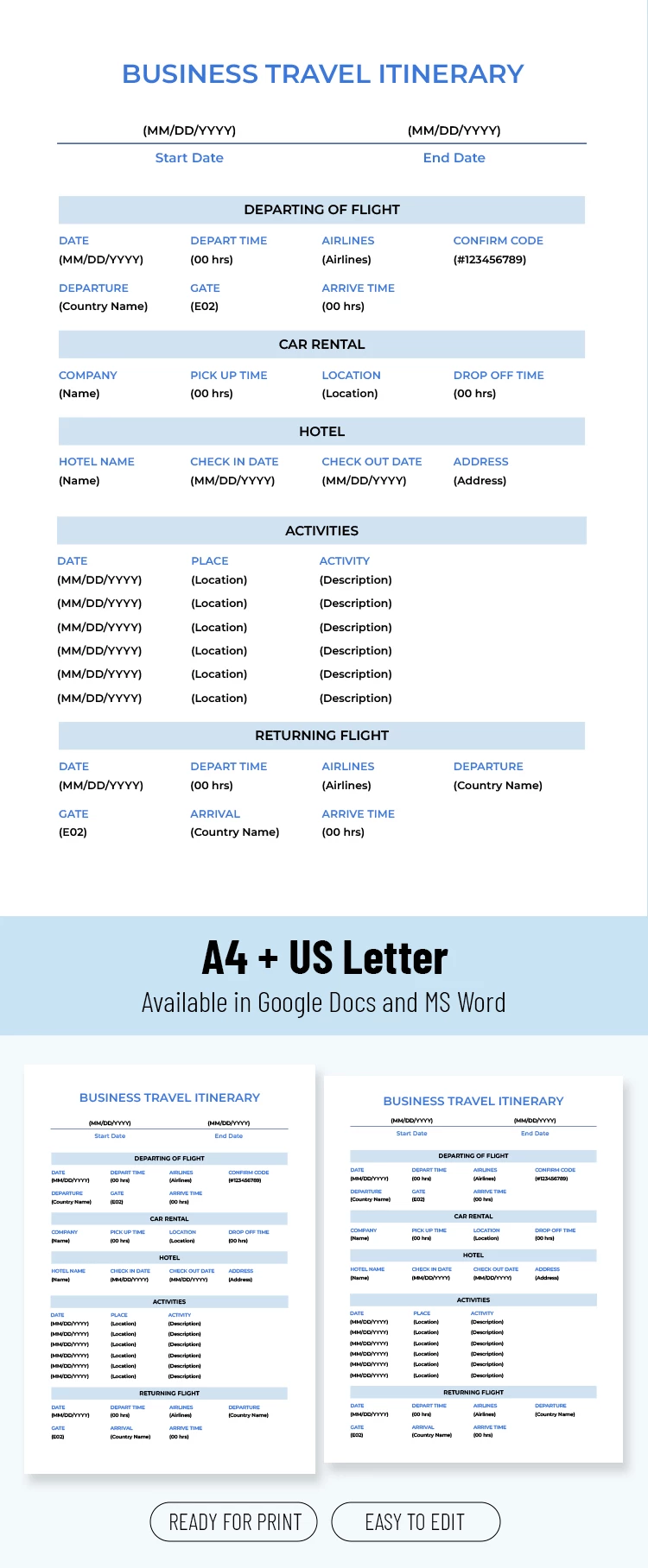
Credit: thegoodocs.com
Frequently Asked Questions
What Are The Key Steps To Create A Travel Itinerary?
Start by choosing your destination and travel dates. Research attractions, accommodation, and transport options. Organize activities by day, allowing flexibility. Include important details like booking references and emergency contacts. Review and adjust your itinerary before the trip for a smooth experience.
How Detailed Should A Travel Itinerary Be?
Your itinerary should balance detail and flexibility. Include essential info like flights, hotels, and main activities. Avoid over-scheduling to allow spontaneous experiences. Detailed plans reduce stress, but leave room for rest and exploration.
Which Tools Help In Making Travel Itineraries?
Use apps like Google Sheets, TripIt, or Roadtrippers. These tools organize bookings, maps, and notes efficiently. They sync across devices and allow easy sharing. Choose one that fits your travel style and tech comfort.
How Can I Keep My Travel Itinerary Organized?
Keep all bookings and confirmations in one place. Use digital folders or apps for easy access. Update your itinerary with changes immediately. Print a copy for offline use. Staying organized helps prevent last-minute issues.
Conclusion
Setting up a travel itinerary helps you enjoy your trip fully. It keeps your plans clear and your days organized. You save time and avoid stress by knowing what to do next. Simple steps like choosing places, booking tickets, and planning routes work best.
A good itinerary lets you see more and relax more. Start early and stay flexible. Travel feels better with a plan that fits your style. Enjoy every moment and make great memories.