Planning to take your camping adventure to new heights by flying with your gear? You might be wondering how to pack everything without the hassle or extra fees.
Carrying bulky tents, sleeping bags, and cooking tools on a plane can seem tricky, but it doesn’t have to be. In this guide, you’ll discover practical tips to make your flight smooth and stress-free while keeping your gear safe. Ready to learn how to travel light yet fully prepared?
Keep reading, and you’ll be ready to fly with your camping essentials like a pro.

Credit: www.caryncanfly.com
Choosing Lightweight Gear
Flying with camping gear can be tricky. Picking light gear helps you carry less and move fast.
Lightweight gear also saves space in your luggage. You can bring more essentials without extra weight.
Prioritize Multi-use Items
Choose items that serve more than one purpose. This cuts down how much you need to pack.
For example, a jacket with a hood can keep you warm and dry. A bandana can be a towel or sun shield.
- Use a pot that can also be a bowl
- Pick trekking poles that double as tent poles
- Bring a knife with multiple functions
Opt For Compact Sleeping Bags
Sleeping bags that pack small save space in your backpack or suitcase. Look for lightweight materials.
Down sleeping bags are light and compress well. Synthetic ones dry faster but may weigh more.
- Check the bag’s temperature rating for your trip
- Choose a mummy shape for less bulk
- Use a compression sack to reduce size
Select Portable Cooking Equipment
Pick cooking gear that is small and light. Portable stoves and compact utensils work well for travel.
Look for gear that packs flat or nests inside other items. A small stove and lightweight fuel save space.
- Use a compact stove with simple controls
- Bring collapsible pots and pans
- Carry utensils that stack or fold
Packing Strategies For Air Travel
Flying with camping gear can be tricky. You must pack smart to save space and avoid damage.
Good packing helps you carry everything you need without extra fees. It also makes your trip easier.
Use Durable Carrying Bags
Choose strong bags to protect your camping gear. Look for water-resistant and tear-proof materials.
Hard cases or heavy-duty backpacks work well. They keep your gear safe from rough handling.
- Check bag size rules for your airline
- Pick bags with good zippers and straps
- Use bags with padding for fragile items
Distribute Weight Evenly
Spread your gear’s weight inside your bags. Balanced weight makes carrying easier and protects your gear.
Put heavy items near the center or bottom. Light items go on top or in outer pockets.
- Place heavy boots or stove at the bottom
- Pack clothes or sleeping bags around heavy gear
- Use small bags for lighter items like utensils
Roll Vs Fold Techniques
Rolling clothes saves space and reduces wrinkles. Folding works better for bulky or stiff items.
Use rolling for t-shirts, socks, and light pants. Fold tents, jackets, and thick gear carefully.
- Roll soft clothes tightly to save room
- Fold large items to keep their shape
- Combine rolling and folding to fit bags well
Navigating Airline Restrictions
Flying with camping gear needs good planning. Airlines have rules to keep all travelers safe.
Knowing these rules helps avoid problems at the airport. It makes your trip smooth and easy.
Check Baggage Allowances
Airlines limit baggage size and weight. Camping gear can be heavy or bulky. Check your airline’s rules before packing.
Some airlines charge extra fees for heavy bags. Knowing limits helps you avoid surprise costs at the airport.
- Check maximum weight for checked bags
- Note size limits for carry-on bags
- See if extra fees apply for heavy or large items
- Consider splitting gear into multiple bags
Understand Prohibited Items
Airlines ban certain camping items for safety. Sharp tools and fuel containers are often not allowed on planes.
Check the list of banned items before you pack. This helps you avoid delays and confiscation at security.
- Knives and sharp blades usually banned in carry-on bags
- Fuel canisters and flammable liquids are restricted
- Check if camping stoves can be checked in
- Some airlines allow empty fuel containers only
Declare Special Equipment
Tell the airline about large or unusual camping gear. This includes tents, sleeping bags, and coolers.
Declaring special items helps the airline prepare. It also avoids issues during check-in and security checks.
- Inform airline about oversized gear before travel
- Ask about packing rules for tents and poles
- Label gear clearly to speed up handling
- Keep receipts or proof of purchase for expensive items

Credit: www.thepackablelife.com
Security Screening Tips
Flying with camping gear can be tricky during security checks. Knowing how to prepare helps speed up the process.
This guide gives clear tips to pass through airport security smoothly with your camping items.
Organize Gear For Easy Access
Pack your camping gear so security officers can check it quickly. Use clear bags or containers for small items.
Keep important items like batteries or tools on top. This helps avoid unpacking everything at the checkpoint.
- Use packing cubes or clear bags
- Group similar items together
- Place items you may need to show on top
- Label bags if possible for quick ID
Prepare For Tsa Inspections
TSA may ask to inspect your camping gear. Be ready to open bags and show what is inside.
Stay calm and cooperate. This speeds up the process and helps avoid delays.
- Keep identification and boarding pass ready
- Answer questions clearly and politely
- Have your gear organized for easy opening
- Remove items like laptops or electronics when asked
Handle Liquids And Sharp Objects
Liquids and sharp objects need special attention during security checks. Follow TSA rules to avoid problems.
Pack liquids in containers of 3.4 ounces or less. Put them in a clear, quart-sized bag.
- Keep liquids under 3.4 ounces (100 ml) each
- Use a clear bag for all liquids
- Pack sharp items like knives in checked luggage
- Check TSA rules for camping gear before packing
Maximizing Space In Your Luggage
Flying with camping gear can be tricky because gear is bulky. Packing smart saves space and reduces luggage size.
Use these tips to fit all your camping items in your bag without extra weight or bulk.
Use Compression Bags
Compression bags shrink clothes and soft gear by removing air. This helps you pack more in less space.
Roll or fold your gear tightly before placing it in the bag. Then press out the air to compress.
- Choose bags with strong seals to avoid leaks
- Use different sizes for clothes and sleeping bags
- Label bags for easy unpacking
Fill Small Gaps Efficiently
Use small items to fill gaps between larger gear. This keeps your bag compact and stable.
Examples include socks, chargers, utensils, or even rolled-up maps. Put these in corners or inside shoes.
- Put socks inside shoes to save space
- Fill empty corners with small tools
- Use plastic bags to group tiny items
Keep Essentials Accessible
Place important items where you can reach them fast. This avoids unpacking everything at once.
Use an outer pocket or top layer for essentials like your passport, phone charger, or first aid kit.
- Pack documents in a clear pouch
- Keep electronics in padded compartments
- Store medication in easy-to-find spots
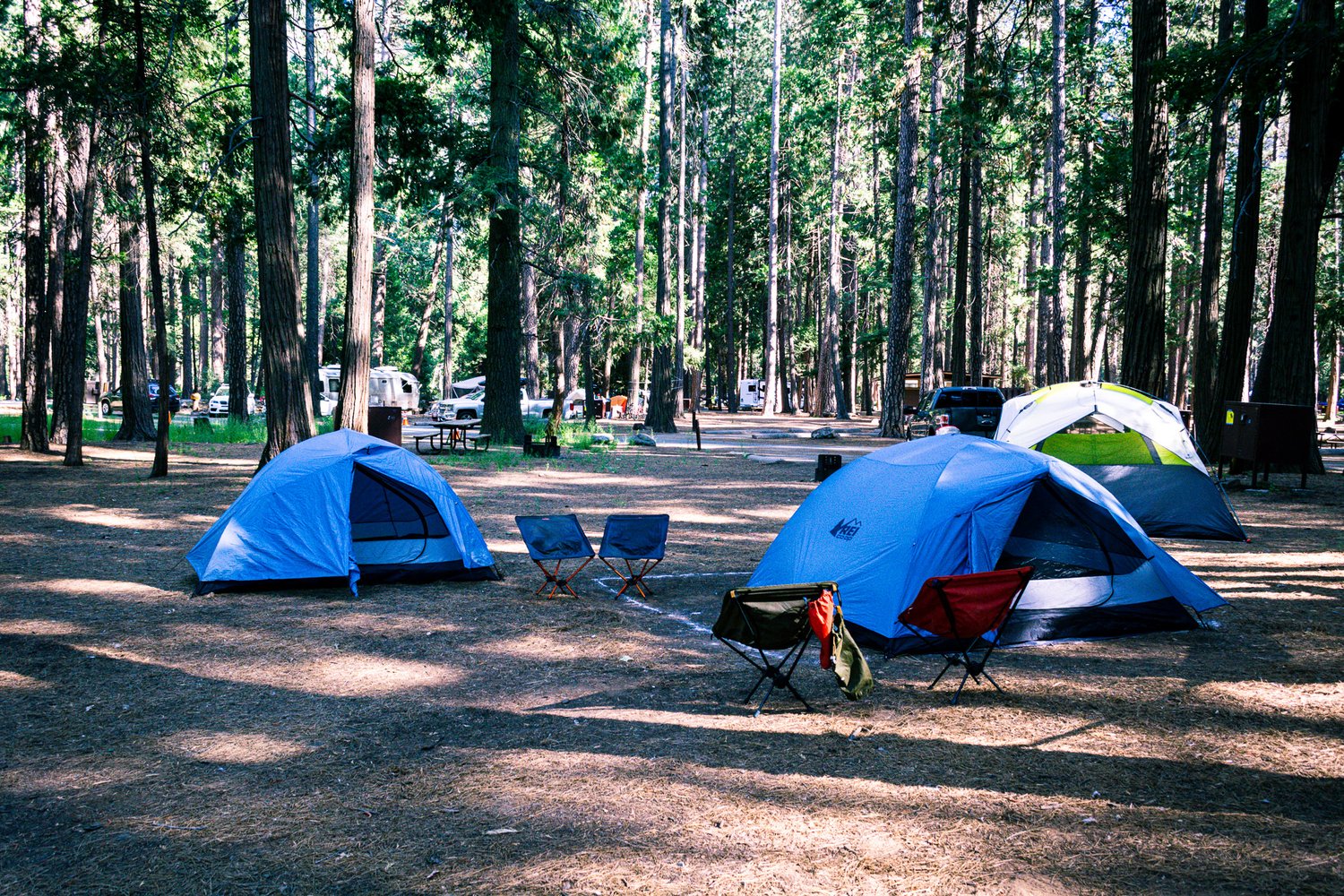
Credit: www.roamtheouterspace.com
Choosing The Right Travel Bag
Flying with camping gear needs careful packing. The right travel bag helps you carry your gear safely and comfortably.
Pick a bag that fits your gear size and travel style. It should be easy to move and protect your items.
Backpacks Vs Duffel Bags
Backpacks let you carry gear on your back, leaving your hands free. Duffel bags usually have one big compartment and handles.
Backpacks are good for hiking and walking long distances. Duffel bags are easier to pack in car trunks or plane overhead bins.
- Backpacks offer better weight distribution.
- Duffel bags provide simple, large storage space.
- Backpacks often have more pockets for organization.
- Duffel bags can be easier to load and unload.
Waterproof And Durable Materials
Your bag must protect your gear from rain and rough handling. Look for water-resistant or waterproof materials.
Durable fabrics like nylon or polyester last longer. Reinforced stitching and strong zippers help avoid damage during travel.
- Waterproof coatings keep gear dry.
- Thick fabric resists tears and scrapes.
- Strong zippers prevent accidental openings.
- Sealed seams improve water protection.
Comfort And Mobility Features
Travel bags should be easy to carry and move around airports or campsites. Look for padded straps and handles.
Wheels or trolley handles help if your bag is heavy. Adjustable straps let you fit the bag to your body for comfort.
- Padded shoulder straps reduce pressure.
- Chest and waist straps add stability.
- Wheels allow rolling on smooth surfaces.
- Lightweight design makes carrying easier.
Tips For Transporting Bulky Items
Flying with camping gear can be tricky because some items are large and heavy. It is important to pack smart to avoid extra fees and damage.
Use space wisely and protect your gear to make travel easier and safer.
Disassemble Tents And Poles
Take apart your tent and poles before packing. This makes them easier to carry and fits better in bags.
Wrap poles separately to keep them from bending or breaking during travel.
- Remove tent stakes and fold the fabric neatly
- Bundle poles using rubber bands or a strap
- Pack poles in a tube or hard case if possible
Pack Sleeping Pads Strategically
Sleeping pads can take up a lot of space. Roll or fold them tightly to save room.
Place them around or inside other bags to protect fragile items and fill gaps.
- Use compression straps to reduce size
- Store pads inside your backpack if they fit
- Keep them dry to avoid mildew
Carry Fragile Items Safely
Fragile gear like stoves or cookware needs extra care. Wrap them in soft materials before packing.
Place fragile items in the middle of your luggage for better protection.
- Use bubble wrap or clothes as padding
- Put fragile gear inside hard cases if possible
- Label your bags as fragile to alert handlers
Preparing For Different Climates
Flying with camping gear needs good preparation for the climate you will face. Different weather means you must pack and plan differently.
Knowing how to adjust your gear helps you stay safe and comfortable while camping. This guide shows how to prepare for various climates.
Adjusting Gear For Weather
Choose camping gear based on the expected weather at your destination. Light gear works well in warm climates. Heavy gear is best for cold or wet places.
Check weather reports before packing. Bring waterproof items if rain is likely. Use insulated sleeping bags for cold nights.
- Use a lightweight tent for hot weather
- Bring a four-season tent for snow or wind
- Pack rain covers for backpacks and bags
- Include an insulated sleeping pad for cold ground
Layering Clothing Efficiently
Layer your clothes to stay warm or cool as needed. Layers help you add or remove clothing quickly. This keeps you comfortable in changing weather.
Start with a base layer that moves sweat away from your skin. Add an insulating layer for warmth. Use a shell layer to block wind and rain.
- Base layer: moisture-wicking shirts and leggings
- Middle layer: fleece or down jacket for warmth
- Outer layer: waterproof and windproof jacket
- Bring extra socks and hats for cold weather
Protecting Electronics And Food
Keep your electronics safe from moisture and temperature changes. Use waterproof bags or cases. Avoid exposing devices to extreme cold or heat.
Store food in airtight containers to prevent spoilage and pests. Pack non-perishable items for long trips. Keep food cool if you expect warm weather.
- Use dry bags for cameras, phones, and chargers
- Carry power banks to charge devices on the go
- Pack canned or dried food for easy storage
- Use insulated coolers or ice packs if needed
Saving Money On Checked Bags
Flying with camping gear can be costly because of checked bag fees. These fees add up fast, especially if your gear is heavy or bulky.
Saving money on checked bags helps you spend more on your camping trip. You can use smart packing and airline choices to cut costs.
Weighing And Measuring Bags
Check your camping gear weight before packing it in your bags. Airlines charge extra for bags that are too heavy or too large.
Use a luggage scale and tape measure to keep your bags within limits. This helps avoid surprise fees at the airport.
- Weigh your gear with a portable luggage scale
- Measure bag size to fit airline rules
- Distribute weight evenly across bags
- Remove unnecessary items to reduce weight
Booking With Flexible Airlines
Some airlines offer cheaper checked bag fees or free bags for certain routes. Choose airlines that fit your camping gear needs.
Flexible airlines let you adjust your booking without big fees. This helps if your gear weight or size changes last minute.
- Look for airlines with low or no checked bag fees
- Check baggage policies before booking
- Pick airlines with flexible change options
- Consider budget airlines for short trips
Using Frequent Flyer Benefits
Frequent flyer programs often include free or discounted checked bags. Use your points or status to save on fees.
Check your membership benefits before flying. You might get more baggage allowance based on your tier or miles.
- Join frequent flyer programs of your preferred airlines
- Use points to pay for checked bags
- Fly enough to reach higher status levels
- Check baggage perks in your member account
Frequently Asked Questions
What Camping Gear Can I Bring On A Flight?
You can bring lightweight tents, sleeping bags, and cooking gear. Check airline rules for size and weight limits. Avoid prohibited items like fuel and sharp tools. Use compact, durable bags to protect your gear during travel.
How To Pack Camping Gear For Air Travel?
Use compression sacks for sleeping bags and clothes. Pack fragile items in hard cases. Distribute weight evenly in your luggage. Label your bags clearly for easy identification. Always follow airline baggage policies for size and weight.
Are There Restrictions On Flying With Camping Fuel?
Yes, most airlines prohibit carrying fuel on flights. Consider buying fuel at your destination. Use fuel containers approved by airlines if allowed. Check TSA and airline rules before packing fuel or fuel-powered stoves.
Can I Carry Camping Knives On A Plane?
No, knives and sharp tools are banned in carry-on bags. Pack them securely in checked luggage. Use blade guards to prevent injury. Always check airline and TSA guidelines to avoid confiscation.
Conclusion
Traveling with camping gear can be simple and enjoyable. Pack efficiently and choose lightweight items. Secure gear in sturdy bags for safety. Check airline rules for camping equipment. Arrive early to manage any gear-related issues. Practice setting up gear before your trip.
Know what you can and cannot carry on board. Stay organized with a checklist. Enjoy the adventure with peace of mind. Camping gear enhances the travel experience. Explore nature with ease and confidence. Enjoy your journey and create lasting memories.
Happy flying and camping!