Planning a trip to Cuba can feel exciting but also a bit overwhelming, especially when it comes to making sure your travel plans are legal. You want to enjoy every moment without worrying about unexpected issues.
That’s why creating your own legal travel itinerary is so important. You will discover simple, clear steps to build an itinerary that keeps you compliant with the rules and lets you explore Cuba with confidence. Keep reading to learn how to make your trip smooth, safe, and unforgettable.
Cuba Travel Basics
Cuba offers a unique travel experience with rich culture and beautiful landscapes. Planning your trip well helps you enjoy every moment.
Knowing the basic travel rules will make your visit smoother and safer.
Entry Requirements
All visitors must have a valid passport to enter Cuba. Your passport should be valid for at least six months from your arrival date.
You also need to fill out a health declaration form before arrival. Some travelers may require proof of travel insurance that covers medical expenses in Cuba.
Visa And Documentation
Most tourists must get a tourist card, often called a visa, before traveling. This card allows stays of up to 30 days and can be extended once.
- Buy the tourist card from Cuban consulates or authorized travel agents.
- Keep your tourist card with you during your stay in Cuba.
- Carry a copy of your travel insurance with you at all times.
- Have your return or onward ticket ready to show at immigration.
Currency And Payments
Cuba uses the Cuban Peso (CUP) for most local transactions. Tourists often use the Cuban Convertible Peso (CUC), but it is being phased out.
| Currency | Use | Notes |
| Cuban Peso (CUP) | Local purchases | Main currency for residents |
| Cuban Convertible Peso (CUC) | Tourist services | Being replaced by CUP |
| US Dollars (USD) | Exchange only | Subject to extra exchange fee |
| Euros and others | Exchange preferred | No extra exchange fee |
Planning Your Route
Creating your own legal travel itinerary in Cuba starts with planning your route. A good route helps you see many places without rushing.
Think about the order of cities and how you will move between them. This makes your trip smooth and enjoyable.
Top Destinations To Visit
Cuba has many exciting places to visit. Havana is the capital and full of history. Varadero offers beautiful beaches. Trinidad shows old colonial charm.
Other great spots are Viñales for nature and Santiago de Cuba for music and culture. Choose places that fit your interests and time.
- Havana – historic sites and city life
- Varadero – sandy beaches and resorts
- Trinidad – colonial buildings and museums
- Viñales – mountains and tobacco farms
- Santiago de Cuba – vibrant music and festivals
Travel Distances And Transport Options
Knowing distances helps you plan how long it takes to travel. Cuba is about 1,250 km long, so some trips can be long.
Options include buses, taxis, and rental cars. Buses are cheap but slower. Taxis are faster but cost more. Car rentals give freedom but need legal permission.
| Route | Distance (km) | Transport Options |
|---|---|---|
| Havana to Varadero | 140 | Bus, Taxi, Car |
| Havana to Trinidad | 320 | Bus, Taxi, Car |
| Havana to Viñales | 180 | Bus, Taxi, Car |
| Havana to Santiago de Cuba | 870 | Bus, Taxi, Plane |
Must-see Cultural Spots
Cuba has many places that show its culture and history. Museums, old towns, and music venues are important stops.
Visit Plaza Vieja in Havana for old buildings. The Museum of the Revolution shows Cuba’s past. In Santiago, the Casa de la Trova has live music every night.
- Plaza Vieja – old Havana square with colonial style
- Museum of the Revolution – Cuban history
- Casa de la Trova – traditional Cuban music in Santiago
- Ernest Hemingway’s House – author’s home turned museum
- Trinidad’s Historic Center – cobblestone streets and museums
Booking Accommodations
Booking the right place to stay is key for a smooth trip to Cuba. You need to know your options and plan ahead.
This guide helps you understand where to stay and how to book your accommodations legally.
Hotels Vs Casas Particulares
Hotels are official places with many rooms and services. Casas particulares are private homes where locals rent rooms.
Both have pros and cons depending on your budget and experience you want.
- Hotels:More privacy, bigger, often higher prices.
- Casas Particulares:More local feel, cheaper, smaller spaces.
- Hotels offer more amenities like pools and restaurants.
- Casas let you meet Cuban hosts and learn culture.
Location Tips
Choose a location near the places you want to visit. This saves time and travel costs.
Some neighborhoods are safer and more convenient for tourists. Research the area before booking.
- Stay close to city centers for easy access to attractions.
- Consider transportation options like taxis and buses.
- Avoid areas with limited services or poor safety records.
- Check if your accommodation is near restaurants and shops.
Reservation Strategies
Book your stay well in advance to get the best choices. Cuba can have limited availability in popular spots.
Use official websites or trusted platforms to avoid scams. Confirm your reservation before you travel.
- Reserve at least one month before your trip for popular seasons.
- Ask for confirmation by email or phone.
- Keep copies of your booking details with you.
- Check cancellation policies in case plans change.
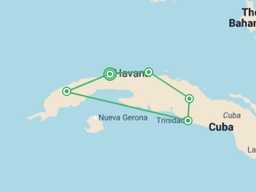
Credit: www.bookmundi.com
Legal Considerations
Planning a trip to Cuba requires understanding the legal rules. This helps avoid trouble during your visit.
Knowing the legal limits keeps your travel safe and smooth. Let’s look at important legal aspects for your itinerary.
Travel Restrictions And Rules
Cuba has specific rules for travelers from many countries. Some items and activities are not allowed.
- Check if your country has travel bans to Cuba.
- Be aware of banned goods like certain medicines or electronics.
- Follow customs rules to declare your belongings.
- Respect local laws on photography and public behavior.
Permits And Licenses
Certain activities in Cuba need permits. These include business, research, and some tours.
| Activity | Permit Needed | Authority |
| Business Meetings | Yes | Cuban Ministry of Trade |
| Filming or Photography | Yes | Cuban Film Institute |
| Travel to Restricted Areas | Yes | Cuban Tourism Office |
| General Tourism | No | Not Required |
Avoiding Common Legal Issues
Follow simple steps to avoid legal problems. Many issues come from ignorance of the law.
- Keep your passport and visa documents with you.
- Do not buy or sell illegal goods like drugs or antiques.
- Respect Cuban currency rules and do not exchange money unofficially.
- Do not engage in political protests or unauthorized gatherings.
- Use official taxis and licensed guides only.
Creating Your Itinerary
Planning your travel itinerary to Cuba helps you enjoy every moment. A good plan balances activities, rest, and flexibility. This guide shows you how to build a legal and fun travel plan.
Focus on what interests you most. Think about daily schedules, time to relax, and backup ideas if plans change. Let’s explore these steps one by one.
Daily Activity Planning
Set clear goals for each day to make the most of your trip. Include places to visit, meals, and travel times. Keep your schedule realistic to avoid stress.
- Choose key attractions for each day
- Plan meal breaks and local dining spots
- Leave time for travel between locations
- Schedule short rests to recharge
- Note opening hours and ticket needs
Balancing Sightseeing And Relaxation
Too much sightseeing can cause fatigue. Balance busy days with quiet ones. This keeps your energy high and mood positive. Include beach time or park visits to relax.
| Day Type | Examples | Duration |
| Sightseeing | Museums, Historic Sites | 4-6 hours |
| Relaxation | Beach, Cafes, Parks | 2-4 hours |
| Mixed | City Walks, Local Markets | 3-5 hours |
Backup Plans For Changes
Travel plans can change due to weather or other reasons. Have backup ideas ready. This keeps your trip smooth and fun despite surprises.
- Identify indoor activities like museums or galleries
- Find nearby cafes or shops for downtime
- Check transportation options in advance
- Keep contact info for local guides or services
- Allow flexible time slots in your schedule

Credit: www.cubagrouptour.com
Transportation In Cuba
Getting around Cuba can be challenging, but there are various options to suit different budgets and preferences. Understanding the transportation options in Cuba will help you plan your trip more efficiently.
Public Transport Options
Cuba has a well-developed public transportation system, including buses and taxis. You can use these services to travel within cities and between towns.
- Buses are a cheap and popular option, but they can be crowded.
- Taxis are more expensive, but they offer a door-to-door service.
Car Rentals And Driving Tips
Car rentals are available in Cuba, but driving can be challenging due to poor road conditions and limited parking spaces. If you do decide to rent a car, make sure to drive defensively and follow local traffic rules.
Driving in Cuba requires a valid driver’s license and a permit to drive a rental car. You can obtain the permit at the rental car agency or at a local police station.
Using Taxis And Private Transfers
Taxis are widely available in Cuba, but it’s essential to negotiate the fare before you start your journey. You can also use private transfer services, which can be booked in advance.
- Taxis can be hailed on the street or booked in advance.
- Private transfer services offer a door-to-door service and can be booked online.
Health And Safety Tips
When traveling to Cuba, it’s essential to prioritize your health and safety. This guide provides you with valuable tips to help you navigate the island with confidence.
Vaccinations And Health Precautions
Before traveling to Cuba, consult your doctor or a travel clinic to determine the necessary vaccinations and medications. Make sure you have the following:
- Vaccination against hepatitis A and typhoid
- Medication for malaria (if traveling to areas with high risk)
- Prescription medication for any pre-existing conditions
Additionally, take precautions to avoid insect-borne illnesses, such as using insect repellent and wearing protective clothing.
Emergency Contacts
In case of an emergency, make sure to have the following contact numbers saved:
- Cuban Emergency Services: 116
- US Embassy in Havana: +53 7 839 4100
- Canadian Embassy in Havana: +53 7 839 4100
Also, keep a list of important phone numbers, such as your embassy and insurance provider, easily accessible.
Staying Safe While Traveling
To stay safe while traveling in Cuba, follow these tips:
| Tip | Description |
| Be aware of your surroundings | Stay alert and mindful of your environment, especially in crowded areas. |
| Use reputable transportation | Choose licensed taxis or ride-sharing services to ensure a safe ride. |
| Respect local customs | Learn about and respect local traditions and dress modestly when visiting cultural sites. |
By following these health and safety tips, you’ll be well-prepared for a memorable and enjoyable trip to Cuba.
Cultural Etiquette
Visiting Cuba offers a chance to experience rich culture and traditions. Respecting local customs helps you connect better with the people.
Understanding cultural etiquette makes your trip smoother and more enjoyable. Learn simple tips to show respect and friendliness.
Respecting Local Customs
Cuban culture values politeness and warm greetings. It is common to greet with a handshake or a light hug among friends.
- Always say “buenos días” or “buenas tardes” when entering shops or homes.
- Dress neatly, especially when visiting churches or formal places.
- Do not discuss politics or sensitive topics in casual settings.
- Respect the pace of life; Cubans often take their time.
Language Basics
Spanish is the main language in Cuba. Learning a few key phrases shows respect and helps in daily interactions.
| English | Spanish | Pronunciation |
| Hello | Hola | OH-lah |
| Thank you | Gracias | GRAH-see-ahs |
| Please | Por favor | por fah-VOR |
| Goodbye | Adiós | ah-dee-OHS |
| Yes | Sí | see |
| No | No | noh |
Interacting With Locals
Cubans are friendly and social. Showing interest in their lives creates good connections.
Tips for positive interactions:
- Smile and greet warmly.
- Ask polite questions about culture or food.
- Listen carefully and show appreciation.
- Avoid sensitive topics like politics or race.
- Offer small gifts like souvenirs if invited home.
Budgeting Your Trip
Planning a trip to Cuba means keeping an eye on your budget. Knowing how to manage your money helps you enjoy your visit without stress.
This guide covers ways to estimate daily costs, save on food and transport, and prepare for unexpected expenses.
Estimating Daily Expenses
Start by figuring out what you will spend each day. Include accommodation, meals, transport, and activities.
| Category | Estimated Cost (USD) |
| Accommodation | 30 – 60 |
| Food | 10 – 25 |
| Transport | 5 – 15 |
| Activities | 10 – 30 |
| Miscellaneous | 5 – 10 |
Saving Money On Food And Transport
Food and transport can add up fast. Look for ways to keep these costs low while still enjoying your trip.
- Eat at local paladares instead of tourist restaurants
- Try street food for cheap and tasty meals
- Use public buses or shared taxis to get around
- Walk when possible to save money and see more
Handling Unexpected Costs
Unexpected expenses can happen. It’s smart to prepare so you don’t get caught off guard.
- Set aside extra money for emergencies
- Keep some cash in small bills for quick payments
- Have a credit card ready for larger unexpected charges
- Check if your travel insurance covers medical or trip issues

Credit: cubaniatravel.com
Frequently Asked Questions
What Documents Are Needed For A Legal Cuba Travel Itinerary?
You need a valid passport, Cuban tourist visa, and travel insurance. Keep all documents handy for entry and customs.
How To Ensure Your Cuba Itinerary Complies With Us Regulations?
Book authorized tours, avoid restricted activities, and keep detailed records. Follow the latest OFAC guidelines for legal travel.
Can I Customize My Cuba Travel Itinerary Legally?
Yes, customize your itinerary with approved activities and licensed guides. Ensure all plans meet Cuban and your country’s legal rules.
What Are The Best Ways To Plan A Budget-friendly Cuba Trip?
Choose affordable accommodations, use public transport, and eat local foods. Plan activities that are low-cost but enriching.
Conclusion
Planning a legal travel itinerary for Cuba takes careful thought. Know the rules and follow them closely. Choose places and activities that fit legal requirements. Keep your documents ready and double-check your plans. Enjoy Cuba’s culture, history, and natural beauty safely.
A well-planned trip helps avoid trouble and stress. Take your time to prepare and stay informed. Traveling smart makes your experience smooth and fun. Safe travels and enjoy your Cuban adventure!