Have you ever wondered if your dream houseboat could take you beyond calm lakes and rivers, out into the vast ocean? The idea of drifting on endless blue waves, with your home right beneath you, sounds thrilling.
But is it really possible for houseboats to handle the ocean’s power? Before you imagine your next adventure, it’s important to know what your houseboat can—and can’t—do when faced with ocean travel. Keep reading to discover the truth, so you can plan your perfect water escape with confidence.

Credit: eganhouseboats.com
Houseboat Design And Ocean Conditions
Houseboats are built for calm waters like lakes and rivers. The ocean has strong waves and wind. These conditions affect how a houseboat moves and stays safe.
Understanding houseboat design helps to know if they can travel in the ocean. Ocean conditions require special features in boats.
Structural Differences From Traditional Boats
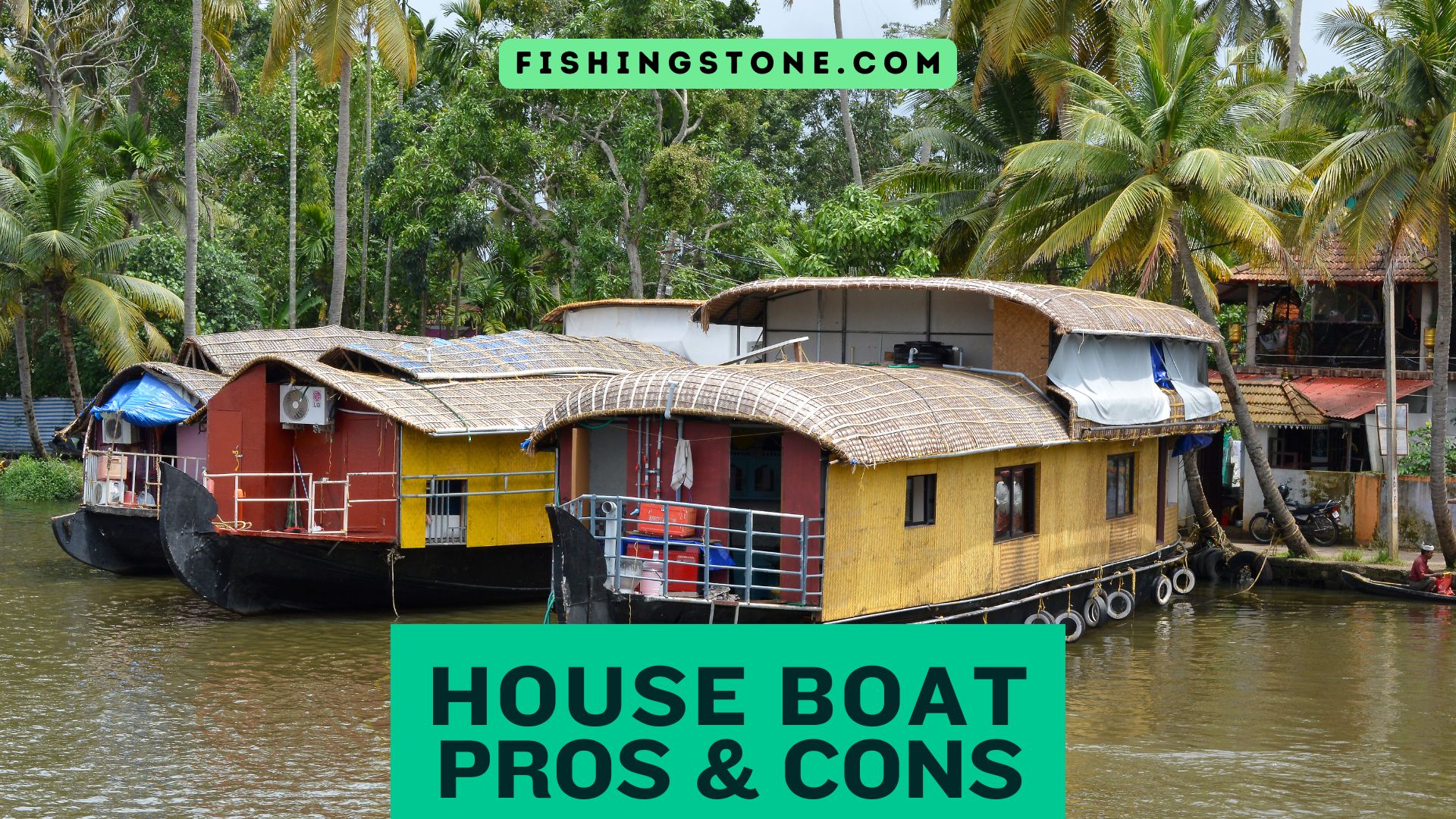
Houseboats have flat bottoms and wide shapes. This design works well in calm water. Traditional boats have pointed hulls for cutting through waves.
Houseboats are not built to handle big waves or fast movement. Their structure is heavier and less flexible. This makes ocean travel risky for houseboats.
Impact Of Ocean Waves And Weather
Ocean waves are larger and stronger than waves in lakes. Strong winds and storms make the ocean rough. Houseboats can be unstable in these conditions.
Houseboats can tip or get damaged in heavy ocean weather. They need more stability and stronger designs to handle ocean waves safely.
- Large waves push houseboats hard
- Strong winds can cause tipping
- Storms increase risk of damage
Material Durability And Maintenance
Houseboats use materials made for calm water and less salt. Ocean water is salty and can corrode many materials fast. This causes wear and damage.
Houseboats need special materials and regular upkeep to survive ocean conditions. This includes strong metals, treated wood, and weatherproof coatings.
- Use corrosion-resistant metals
- Apply waterproof paint and sealants
- Check and repair damage often
Limitations Of Houseboats At Sea
Houseboats are great for calm lakes and rivers. They offer a unique way to live and explore water.
But houseboats have limits when it comes to ocean travel. The ocean is rough and unpredictable.
Stability Challenges In Open Water
Houseboats are not designed for rough ocean waves. Their flat bottoms make them less stable at sea.
Strong winds and high waves can cause rocking and tipping. This makes ocean travel unsafe for houseboats.
Navigation And Safety Concerns
Houseboats lack advanced navigation tools needed for ocean travel. They often miss radar and GPS systems.
Safety equipment on houseboats is usually minimal. This raises risks in emergencies far from shore.
- Limited navigation instruments
- Basic communication devices
- Insufficient life-saving gear
Fuel And Power Constraints
Houseboats have small fuel tanks meant for short trips. Ocean travel needs much more fuel and power.
Power systems on houseboats may not run ocean equipment. This limits their ability to stay at sea long.
- Limited fuel storage
- Lower engine power
- Basic electrical systems
Modifications For Ocean Travel
Houseboats are mostly made for lakes and rivers. To travel in the ocean, they need special changes. These changes help houseboats handle rough water and strong winds.
These modifications make houseboats safer and stronger. They also help the boat move well in the ocean waves.
Reinforced Hulls And Superstructures
The hull is the bottom part of a houseboat that touches the water. Ocean travel needs a stronger hull. This helps the boat resist big waves and impacts.
Superstructures, or the parts above the hull, also need support. These parts face strong winds and must stay firm during storms.
- Use thicker materials for hull and frame
- Add extra layers of fiberglass or metal
- Strengthen joints and connections
- Design shape to cut through ocean waves
Enhanced Propulsion Systems
Ocean waters are rough and currents are strong. Houseboats need powerful engines to move safely. Standard engines may not work well in these conditions.
Improved propulsion systems help the boat keep control in the ocean. They also help the boat reach higher speeds when needed.
- Install stronger, marine-grade engines
- Use dual or multiple engines for backup
- Improve fuel capacity for longer trips
- Add advanced steering systems for better control
Safety Equipment And Technology
Safety is very important when houseboats travel in the ocean. Special equipment protects passengers and helps in emergencies.
Technology like GPS and communication devices help the crew navigate and call for help if needed.
- Life jackets and lifeboats for all passengers
- Marine radios and satellite phones
- GPS and radar systems for navigation
- Emergency beacons and flares
- Fire extinguishers and first aid kits
Credit: fishingstone.com
Successful Ocean Journeys By Houseboats
Houseboats are usually made for calm waters like lakes and rivers. Taking them to the ocean is rare but possible. Some adventurers have made long ocean trips on houseboats.
This article looks at successful ocean journeys on houseboats. We explore real stories, lessons learned, and what experts say about these trips.
Notable Expeditions And Case Studies
Several houseboats have crossed oceans with careful planning. One famous trip was a houseboat crossing from the US to the Bahamas. The boat was modified for ocean waves and weather.
Another case involved a group sailing a houseboat along the coast of Europe. They faced rough seas but managed to reach their destination safely.
- US to Bahamas: Houseboat reinforced with stronger hull
- European coastal trip: Extra safety gear and experienced crew
- Pacific crossing attempt: Needed support from larger boats
Lessons Learned From Ocean Crossings
Ocean travel on houseboats requires special preparation. Stability and weather resistance are the top concerns. Many found that reinforcing the boat’s structure is necessary.
Safety gear like life vests, radios, and emergency supplies must be on board. Choosing calm seasons and having an experienced crew improved success rates.
- Strengthen the hull to handle waves
- Carry enough safety and emergency equipment
- Plan trips during calm weather seasons
- Have skilled crew members for navigation and safety
Community And Expert Insights
Houseboat communities share tips about ocean travel online and at meetups. Experts warn that not all houseboats suit ocean trips. Modifications and good training are key.
Some experts suggest using hybrid designs that mix houseboats with stronger hulls. Safety drills and clear communication among crew also help during ocean journeys.
- Join houseboat groups to learn from others
- Consult marine experts before ocean travel
- Consider hybrid houseboat designs for ocean use
- Practice safety drills regularly with the crew
Legal And Regulatory Considerations
Houseboats can be a unique way to live or travel on water. But sailing a houseboat in the ocean needs careful attention to rules. These laws keep people safe and protect the environment.
Understanding legal and regulatory rules helps avoid fines and accidents. It also ensures your houseboat trip follows the law.
Maritime Laws For Houseboats
Maritime laws govern how boats operate at sea. Houseboats must follow these laws if they travel in the ocean. These rules cover safety, navigation, and environmental protection.
Some laws apply internationally, while others depend on the country. Houseboats must obey local rules near coastlines and international rules in open waters.
Permits And Certifications Required
Many places require permits for houseboats in the ocean. These permits show the boat meets safety and environmental standards. You may also need certifications for the captain and crew.
Common permits include:
- Boat registration with maritime authorities
- Safety inspection certificates
- Environmental compliance permits
- Operator licenses or certifications
Insurance And Liability Issues
Insurance is important for houseboats traveling in the ocean. It protects against damage, accidents, and injuries. Some insurance policies cover ocean travel, while others do not.
Liability can be complex. Owners must understand their legal responsibility for accidents or damage to others. Proper insurance helps reduce financial risks.
Credit: www.spiceroutes.in
Future Of Ocean-ready Houseboats
Houseboats have mostly stayed in calm waters like lakes and rivers. Now, builders want to make them safe for the ocean. This change can open new ways to live and travel on water.
Ocean-ready houseboats need strong design and new technology. They must handle waves, wind, and saltwater. The future shows many ideas to improve these boats.
Innovations In Design And Technology
Designers use better materials to make boats stronger and lighter. New shapes help boats move through waves more easily. Technology adds smart systems for safety and comfort.
- Stronger hulls with lightweight composites
- Hydrodynamic shapes to reduce wave impact
- Solar panels for clean power
- Automated navigation and weather monitoring
- Self-stabilizing systems for smooth rides
Sustainability And Environmental Impact
Ocean-ready houseboats aim to protect the environment. Builders use eco-friendly materials and clean energy. Waste and water systems on board reduce pollution.
These boats can also support ocean health by limiting noise and chemical leaks. Sustainable design helps keep the ocean clean for future generations.
- Solar and wind energy use
- Biodegradable and recycled building materials
- Waste treatment systems onboard
- Low-noise engines
- Water-saving fixtures
Potential Market And Lifestyle Trends
More people want flexible living and travel options. Ocean-ready houseboats offer freedom to explore coastlines safely. They suit those who like adventure with comfort.
Some buyers see these boats as vacation homes or rental properties. The market may grow with new designs and better technology. This trend changes how people live near the water.
- Remote work supports living on houseboats
- Vacation rentals become popular on ocean routes
- Interest in off-grid and mobile homes rises
- Retirees seek peaceful ocean living
- Growing demand for eco-friendly travel
Frequently Asked Questions
Can Houseboats Safely Travel In The Ocean?
Houseboats are not designed for ocean travel. They lack the structural strength and stability needed to handle rough ocean waves and strong currents. Ocean conditions can damage houseboats and endanger passengers, so they are best kept in calm inland waters.
What Are The Main Differences Between Houseboats And Ocean Boats?
Houseboats prioritize comfort and living space, with flat bottoms and large decks. Ocean boats focus on stability, speed, and durability with hulls designed for rough seas. This makes houseboats unsuitable for ocean travel due to their design limitations.
Are Houseboats Equipped For Ocean Navigation?
Most houseboats lack navigation equipment required for ocean travel, such as advanced GPS, radar, and safety gear. Without these, ocean navigation becomes risky. Houseboats are intended for lakes, rivers, or calm bays, not open ocean environments.
Can Modifications Make Houseboats Ocean-worthy?
Significant modifications would be needed to make a houseboat ocean-worthy, including hull reinforcement and safety upgrades. These changes are often costly and complex, making it impractical. It’s generally safer to use boats specifically designed for ocean travel.
Conclusion
Houseboats can travel in the ocean, but with limitations. Ocean waters are unpredictable. Houseboats lack the stability of ocean vessels. Safety must always be a priority. Proper planning ensures a safe journey. Choose suitable weather conditions for travel. Equip the boat with necessary safety gear.
Consult experts for ocean travel advice. Understanding these factors helps in making informed decisions. Enjoying ocean travel on a houseboat is possible. Just proceed with care and preparation.