Are you planning a trip with your camper and wondering if it’s safe to travel with a full tank of water? You might be asking yourself if carrying all that water could cause problems or affect your journey.
This is an important question because water adds weight, which can impact your camper’s performance and safety. You’ll discover the key things you need to know before hitting the road. By the end, you’ll feel confident about managing your water supply and making your trip smoother and stress-free.
Keep reading to learn how to travel smart with your camper full of water!
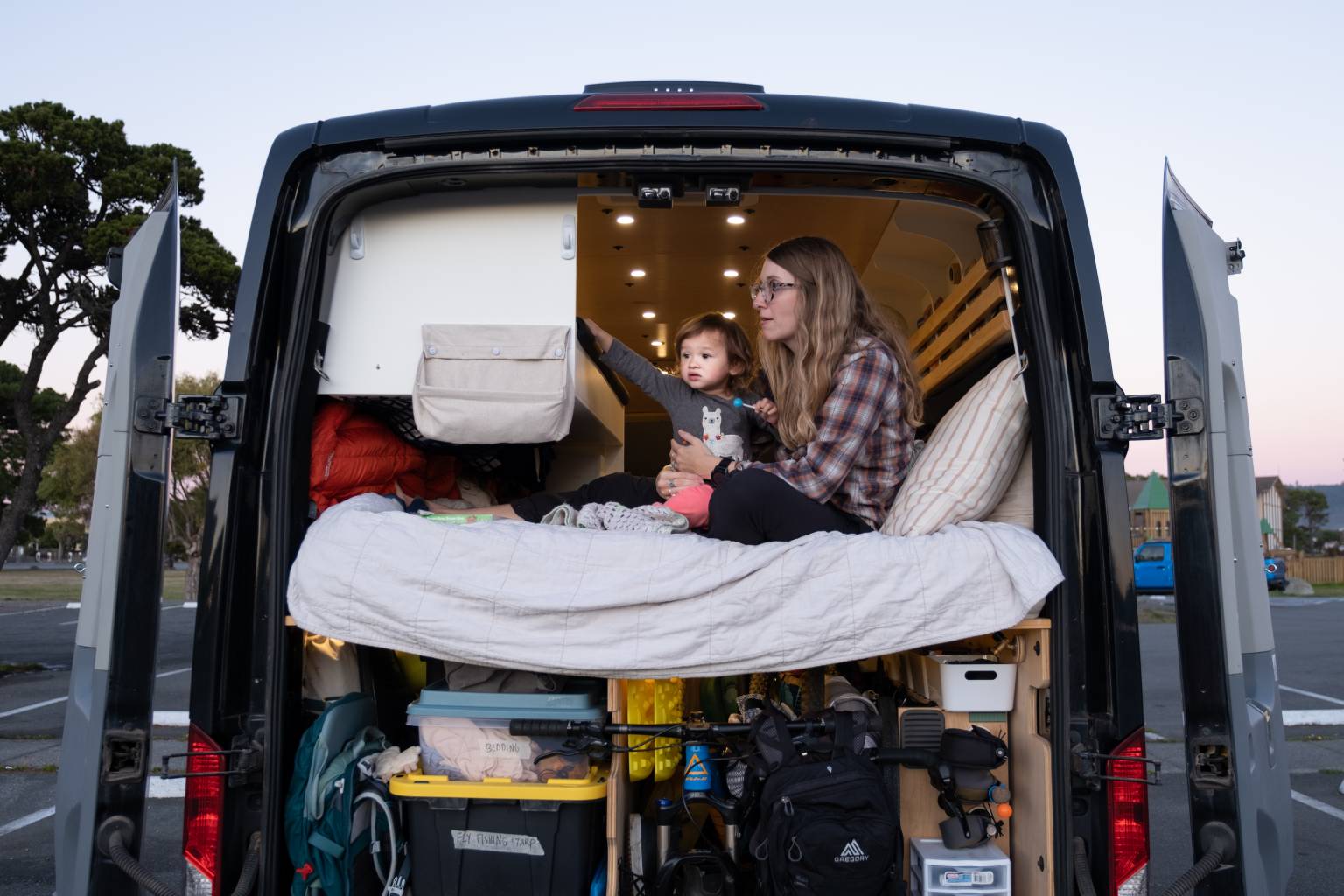
Credit: gearjunkie.com
Preparing Water Storage
Traveling with a camper full of water needs careful preparation. Safe water storage keeps you healthy on the road.
Plan your water storage to avoid contamination and shortages during your trip.
Choosing Safe Containers
Use containers made for storing drinking water. Avoid old or damaged containers.
Check that containers are BPA-free and food-grade to keep water safe.
- Pick plastic or stainless steel containers with tight lids
- Avoid containers that held chemicals or non-food liquids
- Use containers designed for water storage only
Sanitizing Water Tanks
Clean your water tanks before filling them. This stops germs from growing inside.
Use a mild bleach solution to sanitize tanks, then rinse well with clean water.
- Empty the tank completely
- Fill with water and add bleach (1/4 cup per 15 gallons)
- Let sit for 30 minutes, then drain and rinse thoroughly
Monitoring Water Levels
Check your water levels often to avoid running out. Know how much water you use daily.
Use clear markings or gauges to see water amounts inside tanks.
- Fill tanks before trips and note the starting level
- Track water use each day to plan refills
- Keep extra water in portable containers for emergencies
Ensuring Water Quality
Traveling with a camper full of water requires care to keep it safe. Clean water is vital for drinking and cooking.
Knowing how to keep your water clean helps avoid sickness and bad taste. Use simple steps to protect water quality.
Filtering And Purifying Methods
Water can contain dirt, bacteria, or chemicals. Filtering removes particles and some germs. Purifying kills harmful germs.
Use water filters made for camping or portable purifiers like tablets or UV lights. These tools make water safe to drink.
- Use a fine water filter to catch dirt and bugs
- Boil water for at least one minute to kill germs
- Use purification tablets for quick treatment
- UV purifiers use light to destroy bacteria and viruses
Preventing Contamination
Keep the water tank and pipes clean to stop germs from growing. Avoid touching water openings with dirty hands.
Close lids tightly and store water away from heat and sunlight. Clean containers before refilling with fresh water.
- Wash your hands before handling water
- Use clean hoses and tanks made for drinking water
- Cover water tanks to keep out dirt and insects
- Store water in cool, shaded places
Regular Water Testing
Test your water often to check for germs or chemicals. Testing helps catch problems before they cause illness.
You can buy simple test kits to check water quality. Test for bacteria, chlorine, and pH levels regularly during your trip.
- Test water before filling your tank
- Check water after long storage periods
- Use easy home testing kits from camping stores
- Replace or clean water systems if tests show contamination
Managing Weight And Balance
Traveling with a camper full of water adds extra weight. Managing this weight is key for safe driving.
Proper balance keeps your vehicle stable. It helps prevent accidents and damage.
Impact Of Water Weight On Driving
Water is heavy and adds a lot of weight to your camper. This can make driving harder.
Extra weight affects braking distance and steering. It also lowers fuel efficiency.
Distributing Water Load Evenly
Spread the water weight evenly inside the camper. Avoid putting too much weight on one side.
Even load distribution helps keep the camper balanced and reduces sway while driving.
- Fill tanks evenly on both sides
- Keep heavier water tanks low and near the center
- Check weight balance before driving
Adjusting Suspension And Tires
Heavy water weight may require suspension adjustments. Proper suspension keeps the ride smooth.
Check tire pressure often. Inflate tires to handle the extra load safely.
- Use suspension rated for your camper’s full weight
- Adjust shocks to reduce bounce
- Keep tire pressure at manufacturer’s recommended level

Credit: www.youtube.com
Driving With Full Water Tanks
Traveling with a camper full of water adds weight to your vehicle. This extra weight changes how your camper drives and handles on the road.
It is important to adjust your driving style to stay safe and keep control when your water tanks are full.
Safe Speed And Handling Tips
Drive slower than usual when your water tanks are full. The added weight affects stopping distance and turning ability.
Keep a steady speed and avoid fast acceleration or hard braking. This helps keep your camper stable on the road.
Avoiding Sudden Maneuvers
Do not make sharp turns or quick lane changes. Sudden moves can cause the camper to sway or tip because of the heavy water inside.
Plan your route and drive smoothly to reduce risks. Gentle steering keeps your camper balanced and safe.
- Signal early before turns
- Use gradual steering inputs
- Keep a longer distance from other vehicles
Monitoring Vehicle Stability
Check your camper’s stability often while driving. If you feel swaying or wobbling, slow down and drive more carefully.
Make sure your tires are properly inflated and your load is balanced. This helps keep your camper steady on the road.
- Inspect tires before each trip
- Balance water tanks evenly
- Use vehicle stability aids if available
Maintenance And Safety Checks
Traveling with a camper full of water needs careful attention. Regular checks keep the water safe to use.
Maintenance helps avoid problems and ensures your water system works well during trips.
Inspecting Water System Components
Look over all parts of the water system before you travel. Check the water tank, pipes, and faucets.
Make sure hoses and connectors are tight and not cracked. Replace any broken parts to stop leaks.
- Check the water tank for cracks or damage
- Inspect pipes for blockages or wear
- Test faucets for smooth flow and leaks
- Ensure all hose connections are secure
Leak Detection And Repair
Leaks waste water and can cause damage inside your camper. Find leaks early to fix them fast.
Look for wet spots, drips, or drops under the camper. Use a flashlight to see hard-to-reach areas.
- Check under water tanks and pipes for moisture
- Listen for dripping sounds when water runs
- Use soapy water on connections to spot bubbles
- Replace or tighten any leaking parts immediately
Emergency Preparedness
Always have a plan if your water system fails while traveling. Keep tools and supplies ready.
Carry extra hoses, repair kits, and bottled water. Know how to turn off the water supply quickly.
- Pack a basic water system repair kit
- Keep bottled water for drinking and cooking
- Learn how to shut off the water valve fast
- Have contact info for roadside help or camper services

Credit: customskirting.com
Frequently Asked Questions
Is It Safe To Travel With A Camper Full Of Water?
Yes, traveling with a camper full of water is generally safe. Ensure your water tank is secure and leak-free. Check weight limits to avoid overloading. Properly balance the load to maintain vehicle stability during travel.
How Does Full Water Affect Camper Fuel Efficiency?
A full water tank increases your camper’s weight, reducing fuel efficiency. Heavier loads cause the engine to work harder, consuming more fuel. Plan for slightly higher fuel costs when traveling with a full water tank.
Should I Drain Water Tanks Before Traveling?
Draining water tanks before travel is not always necessary. It depends on tank size and road conditions. For short trips, keeping tanks full is fine. For rough terrain, partial draining reduces sloshing and weight.
How To Prevent Water Tank Damage While Traveling?
Secure all water tank fittings tightly to prevent leaks. Avoid driving on rough roads at high speed. Use tank insulation to protect against temperature extremes. Regularly inspect tanks for cracks or damage before trips.
Conclusion
Traveling with a camper full of water offers convenience. You have water ready for cooking and cleaning. It also adds weight to your vehicle. This can impact fuel efficiency. Consider your travel route and stops. Plan for refills along the way.
Balancing water needs and vehicle weight is key. Make informed decisions for a smooth journey. Stay prepared and enjoy your adventure. Safe travels!