Have you ever wondered if houseboats can actually travel from one place to another? You might picture them sitting still on a calm lake, but there’s more to these floating homes than meets the eye.
Imagine the freedom of moving your entire house across the water, exploring new spots without leaving your cozy space behind. If you’re curious about how houseboats move, where they can go, and what makes them different from regular boats, keep reading.
This article will answer your questions and reveal surprising facts about the travel abilities of houseboats.
Houseboats On The Move
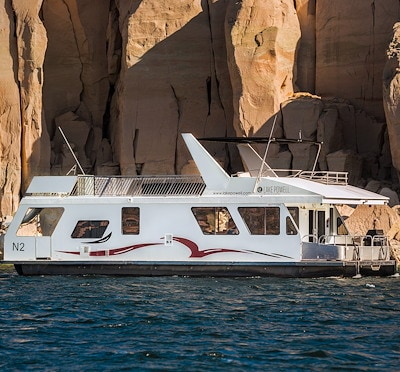
Houseboats are floating homes that can travel on water. Some houseboats can move from place to place on lakes, rivers, or canals.
This makes them unique because you can live on the water and explore new areas without leaving your house.
Types Of Houseboats That Can Travel
Not all houseboats can move on their own. Some need to be towed, while others have engines and can travel by themselves.
Traveling houseboats come in different shapes and sizes. Their design helps them float and move safely on water.
- Powered Houseboats:These have engines that let them move on rivers and lakes.
- Towed Houseboats:These must be pulled by another boat or a tug.
- Canal Boats or Narrowboats:Slim and long, made to move through narrow canals.
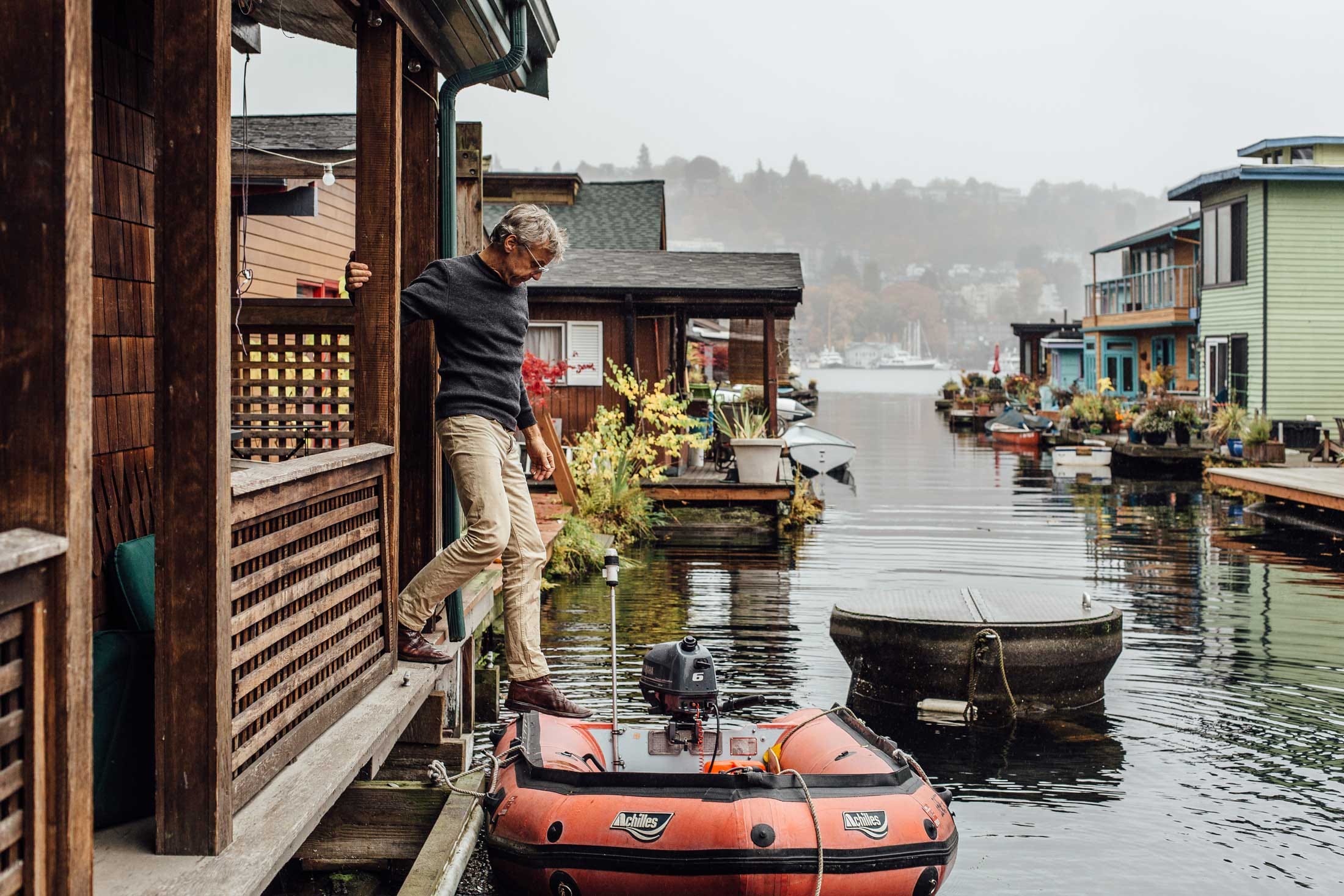
- Floating Cabins:Usually stationary but can be moved short distances by towing.
How Houseboats Navigate Waterways
Houseboats use engines or are towed to move through water. The driver controls speed and direction like a regular boat.
Navigation depends on the type of waterway. Rivers, lakes, and canals have different rules and obstacles to watch for.
- Using GPS:Many houseboats use GPS to avoid shallow areas or obstacles.
- Following Waterway Rules:Boaters must obey speed limits and right-of-way rules.
- Locks and Bridges:Some canals have locks and low bridges that need special handling.
- Wind and Current:Drivers must adjust for wind and water currents to stay on course.
Credit: www.lakepowell.com
Planning A Houseboat Journey
Traveling on a houseboat is a fun way to explore water routes. It lets you enjoy nature and relax on the water.
Good planning helps make the trip safe and enjoyable. You must think about your path and follow rules.
Choosing The Right Route
Select a route that fits your skill and boat type. Some waters are easier to navigate than others.
Check for safe places to stop and fuel. Look for calm waters and avoid areas with strong currents.
- Study maps and local guides
- Plan daily distances you can handle
- Choose routes with good weather conditions
- Find spots to dock or anchor safely
Essential Permits And Regulations
Many areas require permits to travel by houseboat. Check local laws before your trip starts.
Follow safety rules like speed limits and waste disposal. These keep water clean and safe for all.
- Apply for navigation permits if needed
- Register your houseboat with authorities
- Carry life jackets and emergency gear
- Dispose of waste only in approved places
Living Aboard While Traveling
Living on a houseboat allows you to travel and enjoy life on the water. It combines a home with the freedom to explore new places.
Many people choose houseboats to experience a unique lifestyle. It means adjusting to smaller spaces and managing daily needs on board.
Space And Comfort Considerations
Houseboats have limited space compared to regular homes. Planning the layout well helps make the area comfortable and functional.
Choosing furniture that fits the space and serves multiple purposes can save room. Using vertical storage and smart organization keeps things tidy.
- Use foldable or convertible furniture
- Maximize wall space for storage
- Keep pathways clear for easy movement
- Add cushions and soft lighting for comfort
Managing Supplies And Utilities
Living on water means carefully managing supplies like food, water, and fuel. Storage space is small, so plan what you need.
Utilities such as electricity, water, and waste disposal require attention. Many houseboats use solar panels, water tanks, and holding tanks to stay self-sufficient.
- Store non-perishable food in sealed containers
- Monitor water use and refill tanks regularly
- Use energy-saving appliances and lights
- Empty waste tanks at designated stations
Safety Tips For Traveling Houseboats
Traveling on a houseboat can be a fun and relaxing experience. It is important to keep safety in mind to avoid accidents and enjoy your trip.
Knowing how to handle weather, water conditions, and emergencies will help you stay safe while on the water.
Weather And Water Conditions
Always check the weather forecast before you leave. Strong winds and storms can make houseboat travel dangerous.
Be aware of water currents and tides. These can affect how your houseboat moves and how easy it is to steer.
- Look out for sudden weather changes
- Avoid traveling in heavy rain or storms
- Know the water depth and avoid shallow areas
- Keep an eye on waves and water flow
Emergency Preparedness
Prepare for emergencies by having safety gear ready. Know where the life jackets and fire extinguisher are on your houseboat.
Make sure you have a way to call for help, such as a phone or radio. Share your travel plans with someone on land.
- Carry life jackets for everyone on board
- Keep a first aid kit easily accessible
- Have a fire extinguisher in working condition
- Keep a charged phone or marine radio
- Tell someone your route and expected return time
Popular Destinations For Houseboat Travel
Houseboat travel lets you explore water in a unique way. You can visit calm lakes or lively coasts. Many places around the world are perfect for this type of trip.
Choosing the right destination makes your houseboat adventure fun and relaxing. Some spots are famous for their beauty and ease of navigation.
Scenic Lakes And Rivers
Many houseboat travelers enjoy lakes and rivers. These waters are calm and safe for cruising. You can see nature close and enjoy peaceful views.
Popular lakes and rivers offer great spots for fishing, swimming, and camping nearby. The slow pace helps you relax and enjoy your trip.
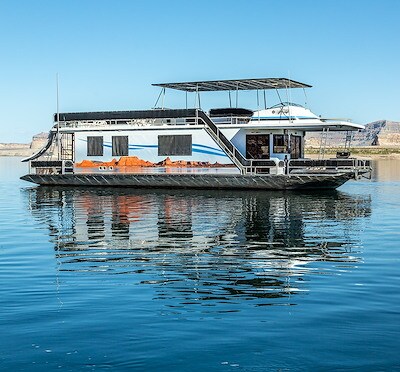
- Lake Powell, USA – Known for red rock cliffs and clear water
- Dal Lake, India – Famous for floating gardens and houseboats
- Lake Victoria, Africa – Offers wildlife and beautiful sunsets
- Norwegian Fjords – Stunning river routes with steep cliffs
- Amazon River, South America – Adventure in a tropical rainforest
Coastal And Island Adventures
Coastal areas and islands offer different houseboat experiences. You can explore beaches, hidden bays, and marine life. The ocean views are often breathtaking.
These trips may have stronger waves but bring exciting chances to see sea animals and visit small islands. Some places are perfect for snorkeling or diving.
- The Kerala Backwaters, India – Calm lagoons and lush greenery
- The Great Barrier Reef, Australia – Coral reefs and tropical fish
- The Maldives – Crystal clear water and many small islands
- Florida Keys, USA – Warm waters and vibrant marine life
- French Riviera, Europe – Glamorous coastlines and charming towns
Credit: www.lakepowell.com
Benefits Of Traveling By Houseboat
Traveling by houseboat offers a unique way to explore waterways and enjoy nature. It lets you move at your own pace and see beautiful views from the water.
Houseboats provide comfort and freedom to create your own adventure. They combine travel and relaxation in a peaceful setting.
Freedom And Flexibility
Houseboats allow you to change your plans easily. You can stop wherever you want and stay as long as you like.
This freedom means you control your travel schedule. You can explore new places without strict timelines or hotel bookings.
- Choose your own route on rivers or lakes
- Stop for meals or rest at quiet spots
- Adjust travel speed to suit your mood
- Enjoy privacy without crowded areas
Connecting With Nature
Traveling by houseboat brings you close to water, wildlife, and fresh air. You can watch birds, fish, and sunsets right from your deck.
This connection to nature helps you relax and feel calm. It is a great way to escape city noise and enjoy peaceful surroundings.
- Experience sunrise and sunset on the water
- Spot animals and birds in their natural habitat
- Enjoy quiet nights with stars above
- Feel the gentle movement of water all around
Challenges To Expect
Houseboats offer a unique way to live and travel on water. They face special challenges that differ from regular boats.
Understanding these challenges helps you prepare for a smoother journey on a houseboat.
Navigation Difficulties
Houseboats are larger and heavier than many boats. This size makes steering harder, especially in tight spaces.
They move slower and need more space to turn. Shallow waters and strong currents can cause problems.
- Houseboats need wide areas to turn safely
- Shallow water may stop progress or cause damage
- Strong currents make steering tough
- Navigating busy waterways requires extra care
Maintenance On The Go
Houseboats require regular upkeep to stay safe and comfortable. Maintenance is harder while traveling on water.
It is important to check the engine, hull, and plumbing often. Fixing issues quickly prevents bigger problems.
- Inspect the hull for cracks or leaks
- Keep the engine in good working order
- Check plumbing and electrical systems regularly
- Clean the boat to avoid mold and damage
Credit: medium.com
Frequently Asked Questions
Can Houseboats Move From One Place To Another?
Yes, many houseboats are designed to travel on water. They have engines or can be towed to different locations, allowing mobility.
Are All Houseboats Capable Of Long-distance Travel?
Not all houseboats are built for long distances. Some are stationary, while others have engines suitable for longer voyages.
How Fast Can A Houseboat Typically Travel?
Houseboats usually travel at slow speeds, around 5 to 15 miles per hour, depending on engine power and water conditions.
What Waterways Are Suitable For Houseboat Travel?
Houseboats can navigate lakes, rivers, and calm coastal waters. They are best suited for calm and navigable waterways.
Conclusion
Houseboats can indeed travel, offering unique adventures on water. They glide smoothly across lakes, rivers, and canals. Their journey depends on water conditions and local regulations. Planning is key for a successful voyage. Ensure your houseboat is well-equipped and maintained.
Always check weather forecasts before setting sail. Explore serene waters and discover new places. Enjoy the tranquility and beauty that houseboat travel provides. Whether cruising or anchored, houseboats offer a special experience. Enjoy the journey and create lasting memories on the water.
Safe travels on your floating home!