Traveling with medication on a plane can feel tricky. You might worry about security checks, keeping your medicine safe, or what to do if your flight is delayed.
But it doesn’t have to be stressful. You’ll learn simple, clear steps to carry your medication smoothly and worry-free. Keep reading to discover easy tips that make your trip safer and more comfortable—so you can focus on enjoying your journey.

Credit: www.biomatrixsprx.com
Packing Medication
Traveling with medication needs careful packing. Proper preparation helps avoid delays and keeps your medicine safe.
Packing medication correctly ensures you have everything you need during your flight and at your destination.
Choosing The Right Containers
Use containers that protect your medication from damage and moisture. Original packaging is best for security checks.
- Keep pills in their original bottles with labels
- Use a pill organizer only if it is clearly labeled
- Carry liquid medicine in small, clear bottles
- Seal containers tightly to avoid leaks
- Bring extra containers for any special storage needs
Labeling Your Medication
Labels help airport staff and doctors identify your medication quickly. Clear labels prevent confusion and delays.
| Label Detail | Why It Matters |
|---|---|
| Drug name | Shows what the medicine is |
| Dosage instructions | Explains how much to take |
| Patient’s name | Proves the medication is yours |
| Doctor’s contact | Helps in emergencies |
Carrying Prescription Documentation
Bring a copy of your prescription or a doctor’s note. This shows your medicine is legal and needed.
- Keep prescriptions in carry-on luggage
- Include generic and brand names of medicine
- Have contact info of your doctor or pharmacy
- Carry documentation in English if possible
Credit: www.youtube.com
Airport Security Procedures
Traveling with medication on a plane needs careful planning. Airport security has specific rules to follow. Knowing these rules helps avoid delays and stress.
Security officers check all items before boarding. Medications are allowed but must be screened properly. Here is what you need to know about airport security procedures.
Preparing For Tsa Screening
Before arriving at the security checkpoint, organize your medication. Keep it in its original packaging with the prescription label. Have a doctor’s note if possible.
- Place all medications in an easy-to-access bag.
- Separate medications from other liquids and gels.
- Carry only the amount needed for your trip.
- Check TSA guidelines for carrying medication.
Declaring Medication At Security
Tell the TSA officer about your medication before screening begins. This helps speed up the process. You may need to show your medication and any paperwork.
| What to Declare | Examples |
| Prescription pills | Tablets, capsules |
| Inhalers | Asthma or breathing aids |
| Insulin or injectable medication | Diabetes supplies |
| Liquid medication | Syrups, drops |
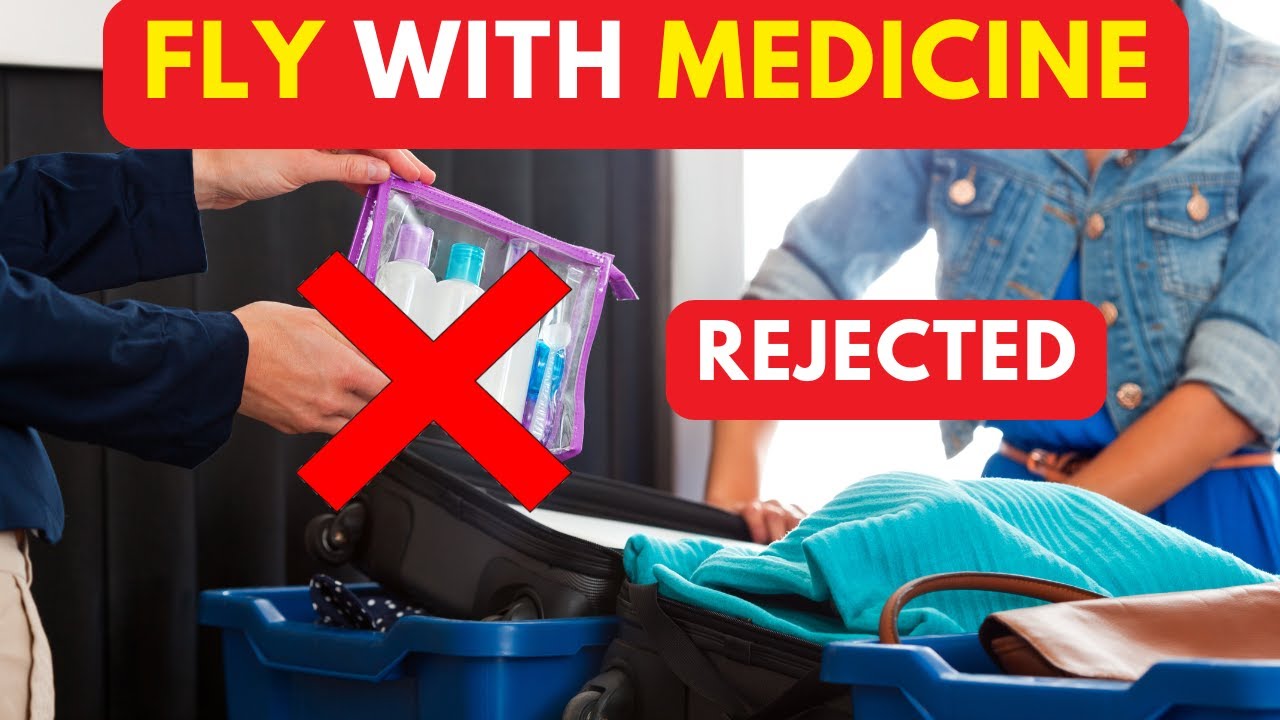
Handling Liquid Medications
Liquid medications have special rules at security. You can carry more than the usual 3.4 ounces (100 ml) if needed for your trip. Keep them separate for screening.
- Bring a doctor’s note or prescription label.
- Keep liquids in clear, plastic bags for easy inspection.
- Be ready to show the medication to TSA officers.
- Inform officers about any medical devices like syringes.
In-flight Medication Management
Traveling by plane with medication needs careful planning. You must keep your medicines safe and take them on time. This guide helps you manage your medication during your flight.
Proper handling can prevent missed doses and keep your health steady. Follow these tips to stay organized and comfortable while flying.
Storing Medication During The Flight
Keep your medication in its original packaging. This helps with security checks and prevents confusion. Store pills in your carry-on bag, not in checked luggage.
- Use a clear, resealable plastic bag for all medicines.
- Keep liquid medicines under 100 ml to meet airline rules.
- Bring a small cooler pack if your medicine needs to stay cold.
- Carry a copy of your prescription or doctor’s note.
- Place medication within easy reach during the flight.
Managing Dosage Times
Take your medicine on schedule to keep it effective. Use a watch or phone alarm to remind you. Inform the flight crew if you need help or extra water.
| Time Zone | Action |
| Before Flight | Take medication as usual |
| During Flight | Follow original time zone or new time zone |
| After Flight | Adjust schedule gradually if needed |
Dealing With Time Zone Changes
Time zones can change when you fly. This may affect your medication timing. Plan ahead to avoid missed doses or overdosing.
Try these tips for time zone changes:
- Check the time difference before your flight.
- Ask your doctor how to adjust your medication schedule.
- Use a travel app to track medication times.
- Keep a medication diary to record doses.
Special Considerations
Traveling with medication on a plane needs careful planning. Some medicines have rules to follow.
Knowing these rules helps avoid problems at the airport. It also keeps your health safe.
Traveling With Controlled Substances
Controlled substances need extra care. These medicines often have legal limits and special rules.
Carry a doctor’s note and prescription. Keep medicines in original labeled containers to show airport staff.
- Check airline rules for controlled substances
- Declare the medicine at security checkpoints
- Carry only the amount needed for the trip
- Keep medicines in carry-on bags, not checked luggage
Accommodations For Medical Devices
Medical devices like pumps or CPAP machines need special handling. Let the airline know before you fly.
You may bring extra batteries or parts. Pack these carefully and keep your device manuals or doctor’s notes handy.
- Request wheelchair or device assistance if needed
- Ask about power options on the plane
- Declare devices at security screening
- Use a clear bag for device accessories
International Travel Regulations
Each country has its own rules for medicine. Check these before you travel abroad to avoid issues.
Certain medicines may be illegal or require special permits. Carry copies of prescriptions and doctor’s notes in English.
- Research medicine laws in your destination country
- Carry only the amount needed for your trip
- Bring medicines in original packaging
- Have translations of prescriptions if possible
Tips For Smooth Travel
Traveling with medication on a plane needs some planning. This helps avoid delays and stress.
Follow simple tips to keep your medication safe and accessible during your trip.
Packing Extra Medication
Always pack extra medication in case of travel delays or lost luggage. Bring more than you need.
Keep medication in its original packaging with labels. This helps security staff identify it easily.
- Carry at least a few days’ extra supply
- Use a clear, labeled bag for easy access
- Store medication in your carry-on bag
Communicating With Airline Staff
Tell airline staff about your medication needs before and during the flight. This can ease your travel.
Show any medical documents if needed. Staff can help with storage or special requests.
- Inform check-in staff about your medication
- Ask about rules for carrying liquids or injections
- Request assistance if you have mobility issues
Keeping A Medical Contact List
Prepare a list of doctors, pharmacies, and emergency contacts. Keep it with you during travel.
This list helps you find help quickly if you lose medication or need advice.
- Include your primary care doctor’s phone number
- Add contact info for local pharmacies at your destination
- Keep emergency contact numbers handy

Credit: medactiv.ca
Frequently Asked Questions
Can I Bring Prescription Medication On A Plane?
Yes, you can bring prescription medication on a plane. Always carry it in original packaging with your doctor’s prescription. Keep medications in your carry-on bag for easy access and security checks.
Are There Restrictions On Liquid Medication On Flights?
Liquid medications are allowed but must be declared at security. Carry a doctor’s note if the medication exceeds liquid limits. Place liquids in a separate bag for smooth screening.
How Should I Store Medication During A Flight?
Store medication in a cool, dry place. Use insulated bags for temperature-sensitive drugs. Keep medications accessible to avoid any delays during the flight.
Do I Need A Doctor’s Note For Traveling With Medication?
A doctor’s note is recommended for prescription and controlled substances. It helps with security checks and avoids misunderstandings. Always carry your prescription label and medical documentation.
Conclusion
Traveling with medication on a plane is easier with good planning. Keep medicines in original containers and carry a doctor’s note. Pack medicines in your carry-on bag to avoid loss. Know the rules for liquids and security checks. Stay calm and be honest with security staff.
Following these tips helps avoid stress during travel. Your health and safety come first on every trip. Safe travels and take care of your medication needs!