Imagine you’re standing on a breathtaking cliff, camera in hand, capturing the stunning beauty of a sunset over the ocean. Your heart races with excitement as you frame the perfect shot.
But then, a wave of worry hits you—what if something happens to your beloved camera while you’re on the go? Whether you’re a seasoned traveler or planning your first big adventure, the thought of losing or damaging your camera can be nerve-wracking.
That’s where travel insurance for your camera comes in, offering peace of mind so you can focus on capturing memories instead of fretting about mishaps. Dive into this guide to discover exactly how to insure your camera while traveling, ensuring your prized possession is protected no matter where your travels take you.
Credit: expertvagabond.com
Choosing The Right Camera Insurance
Traveling with your camera can be risky without proper protection. Insuring your camera helps cover losses from damage, theft, or accidents.
Choosing the right insurance means understanding the coverage options and costs. This guide explains what to look for.
Types Of Coverage Available
Camera insurance offers different types of coverage based on your needs. Some cover theft, others cover damage or loss.
Look for policies that fit your travel plans and camera value. Common coverage types include:
- Theft protection
- Accidental damage
- Loss and mysterious disappearance
- Worldwide coverage
- Equipment replacement costs
Factors Affecting Premiums
Insurance premiums depend on several factors. Your camera’s value and how often you travel play a big role.
Other factors include your location, coverage type, and deductible amount. Higher coverage usually means higher costs.
- Camera model and price
- Travel destinations
- Policy coverage limits
- Deductible you choose
- Your claim history
Comparing Insurance Providers
Different insurance companies offer various plans and prices. Compare providers to find the best fit for your needs.
Check for clear terms, claim process, and customer support. Read reviews to learn about other customers’ experiences.
- Compare coverage options side by side
- Look at premium and deductible costs
- Check claim filing ease
- Read customer reviews and ratings
- Confirm if travel locations are covered

Credit: www.thecommonwanderer.com
Assessing Your Camera’s Value
Before you insure your camera for travel, know its value. This helps you get the right coverage and avoid paying too much.
Assessing your camera’s value includes figuring out how much it costs to replace and thinking about extra gear you have.
Calculating Replacement Cost
Find out how much it would cost to buy a new camera like yours. Check prices online or at local stores.
Use the current price, not what you paid. Cameras lose value over time, so replacement cost may differ.
- Look for the same model or a similar one
- Include taxes and shipping fees
- Note any discounts or deals
Considering Accessories And Equipment
Don’t forget to add the value of lenses, tripods, bags, and other camera gear. These can be costly to replace.
List each item with its replacement price. This helps you get full insurance coverage for all your equipment.
| Accessory | Replacement Cost |
|---|---|
| Lens | $400 |
| Tripod | $150 |
| Camera Bag | $80 |
| Memory Cards | $60 |
Policy Options For Travelers
Traveling with your camera means you need good insurance. Cameras are valuable and can break or get lost. Choosing the right policy protects your gear and your wallet.
There are different types of insurance policies for travelers. Each has its own benefits. It is important to pick one that fits your travel plans and camera needs.
Single Trip Vs. Annual Policies
Single trip policies cover your camera for one specific trip. They work well if you travel once or twice a year. These policies last from a few days to several weeks.
Annual policies cover all trips in a year. They are better if you travel often. This option can save money if you take many trips with your camera.
- Single Trip:Good for occasional travelers
- Annual:Best for frequent travelers
- Cost:Single trip usually cheaper per trip
- Convenience:Annual covers multiple trips automatically
Coverage For International Travel
Not all camera insurance policies cover international trips. Check if your policy allows travel to other countries. Some policies need extra fees for international coverage.
International coverage protects against theft, loss, and damage abroad. It also helps with claims in different countries. Make sure you understand the rules before you travel.
- Verify if your policy covers all countries you visit
- Check if extra costs apply for international travel
- Look for policies with worldwide protection
- Understand claim procedures overseas
Credit: www.thinktankphoto.com
Filing A Claim Successfully
Filing a claim for your camera insurance can be simple if you prepare well. Knowing what to do helps you get your money back fast.
Follow the right steps and keep your documents ready. This guide will help you file a claim without trouble.
Documentation Needed
You must have the right papers to prove your claim. These papers show the camera’s value and what happened.
- Proof of purchase or receipt
- Photos of the camera before and after damage
- Police report if the camera was stolen
- Insurance policy documents
- Repair or replacement estimates
- Detailed description of the incident
Keep these documents safe and send copies to your insurer quickly. This speeds up your claim process.
Common Claim Pitfalls
Many people make mistakes that slow or stop their claims. Avoid these errors to get your claim accepted.
- Not reporting the damage or theft on time
- Failing to provide clear proof and documents
- Exaggerating the value of the camera
- Ignoring the policy’s coverage limits and rules
- Not keeping the damaged camera for inspection
- Missing deadlines for claim submission
Read your insurance policy carefully. Follow all rules and give honest information to avoid problems.
Alternative Protection Methods
Traveling with a camera can be risky. Insurance is not the only way to protect it. There are other options to keep your camera safe.
This guide explains two alternative protection methods to consider before your trip.
Using Credit Card Benefits
Some credit cards offer insurance for cameras and other items. This protection works if you buy your camera or rent it with that card.
The coverage often includes theft, loss, or damage during travel. Check your card’s terms to know what is covered and for how long.
- Coverage usually applies only if you pay with the card
- Limits and exclusions may apply
- Claims need proof of purchase and damage
- Contact the card issuer before traveling to confirm details
Renting Insurance From Rental Services
Rental camera services often offer insurance options. You can buy this insurance when renting the camera for your trip.
This insurance covers damage or theft while using the rented equipment. It can save money if you want short-term protection.
- Insurance cost is added to the rental fee
- Coverage varies by rental company
- Read the policy carefully before buying
- Keep all rental and insurance documents
Practical Tips To Protect Your Camera On The Go
Traveling with a camera can be exciting but also risky. Your camera needs protection from damage and theft.
Knowing how to keep it safe helps you enjoy your trip without worry. Here are some useful tips to secure your camera.
Secure Storage Solutions
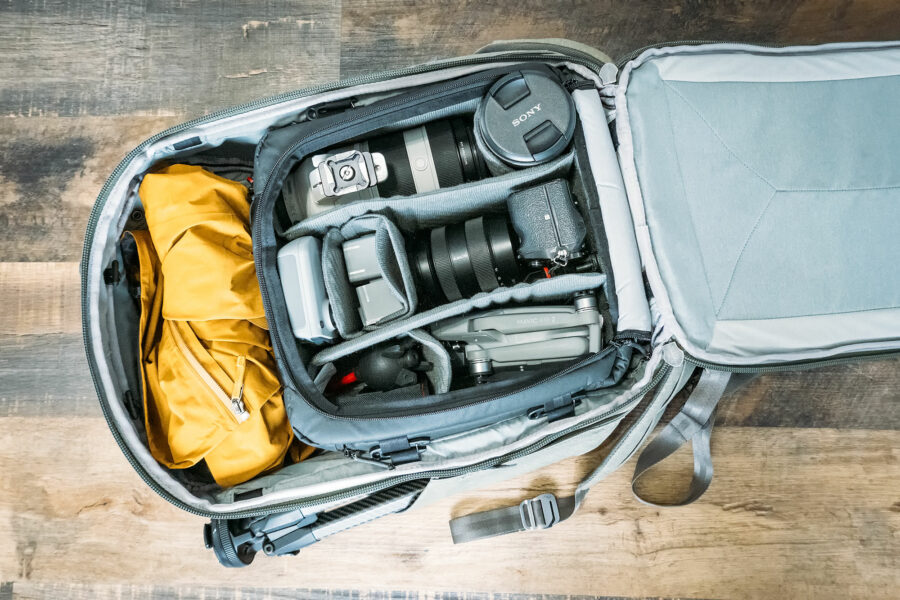
Use a strong camera bag with padding to protect your gear from bumps. Keep your camera in a separate compartment to avoid scratches.
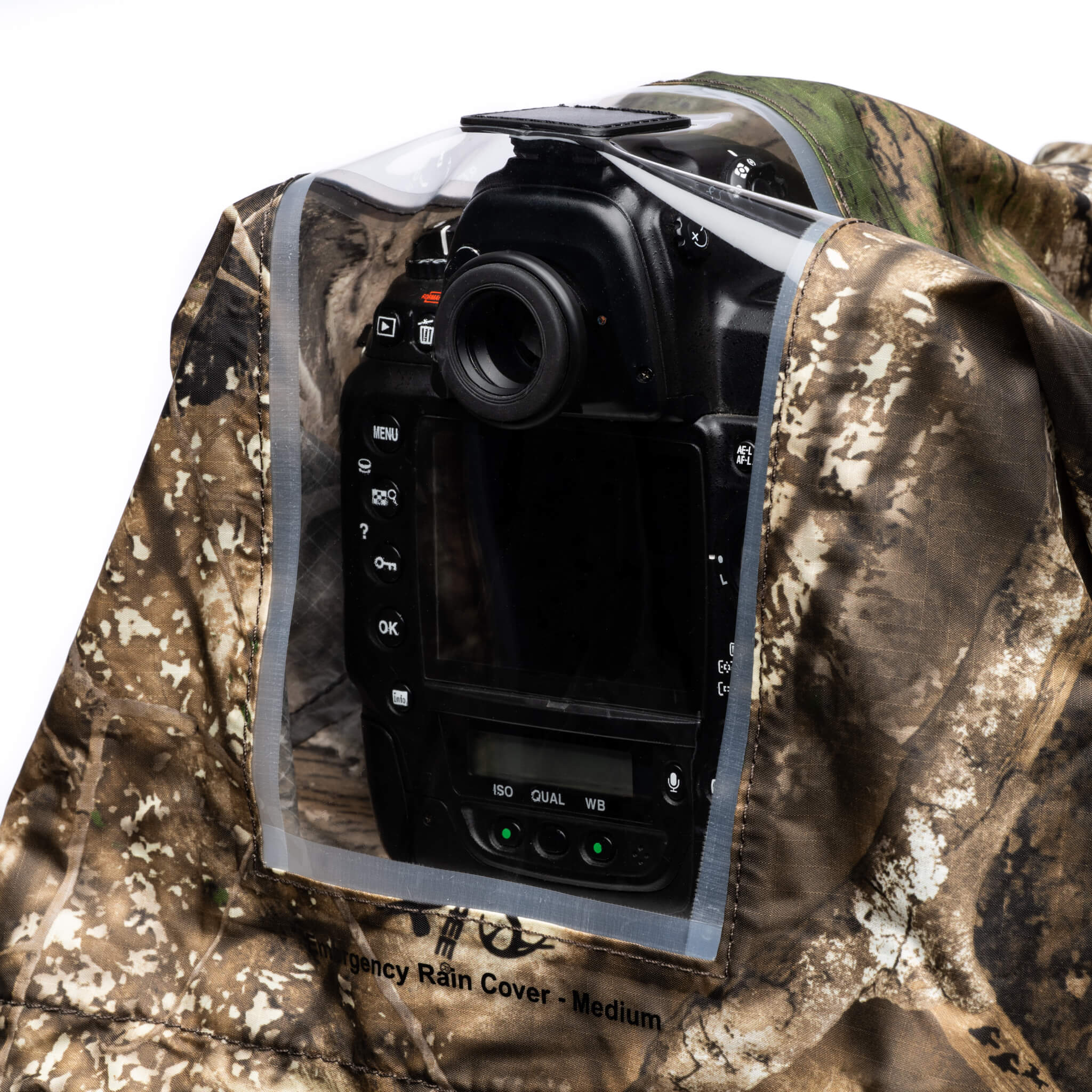
Consider weatherproof bags if you expect rain or dust. Always pack your camera in your carry-on when flying.
- Choose bags with adjustable padded dividers
- Store lenses and accessories safely inside the bag
- Use waterproof covers or dry bags for extra protection
- Keep your camera close and avoid checked luggage
Avoiding Theft And Damage
Keep your camera in sight at all times. Avoid leaving it unattended in public places or hotel rooms.
Use camera straps or harnesses to prevent drops. Don’t advertise expensive gear openly to reduce theft risk.
- Use a sturdy strap and wear your camera securely
- Stay aware of your surroundings, especially in crowded places
- Lock your bag when not in use or store it in a safe place
- Consider travel insurance that covers theft and damage
Frequently Asked Questions
How Can I Insure My Camera For International Travel?
You can insure your camera internationally by purchasing a travel insurance policy that covers electronics. Check if your existing insurance covers theft or damage abroad. Specialized camera insurance providers also offer worldwide coverage for loss, theft, and accidental damage during travel.
What Does Camera Travel Insurance Typically Cover?
Camera travel insurance usually covers theft, accidental damage, and loss. Some policies also include coverage for water damage and mechanical breakdowns. Always review the policy details to understand limits, exclusions, and claim processes before purchasing.
Is Camera Insurance Necessary When Traveling Abroad?
Camera insurance is essential when traveling abroad to protect against theft, loss, or damage. Cameras are valuable and vulnerable during trips. Insurance provides peace of mind and financial protection if your equipment is stolen or damaged.
How Much Does Camera Insurance Cost While Traveling?
Camera insurance costs vary depending on camera value, coverage type, and duration. On average, expect to pay 1-3% of your camera’s value annually. Short-term travel policies may offer flexible, affordable rates tailored for your trip length.
Conclusion
Protecting your camera while traveling is smart and simple. Choose a plan that fits your needs and budget. Read the policy carefully to understand what is covered. Keep receipts and photos of your camera for claims. Always store your camera safely during trips.
Peace of mind lets you enjoy your travels more. A little preparation prevents big losses later. Your camera deserves good protection wherever you go.