Are you planning an exciting trip and want to capture every moment with your camera? Your camera is more than just a gadget; it’s your creative companion on your travels.
But what if something goes wrong? Imagine losing your precious photos or facing unexpected repair costs. That’s where camera insurance comes into play. By the end of this article, you’ll learn how to protect your investment and ensure peace of mind during your adventures.
Discover how to choose the right insurance, what coverage to look for, and how to make the most of your travels without any worries. Dive in to secure your camera and focus on what truly matters—creating unforgettable memories.
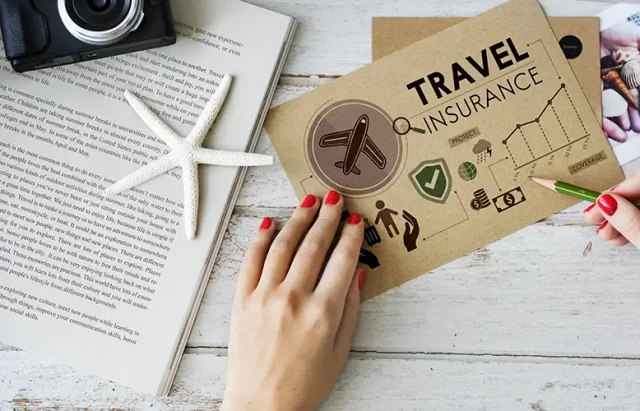
Credit: drifttravel.com
Choosing The Right Insurance
Traveling with your camera means you need good protection. Choosing the right insurance keeps your gear safe and your mind calm.
Not all insurance is the same. You must pick a plan that fits your camera and your travel plans.
Types Of Camera Insurance
There are different types of insurance for cameras. Each type covers certain risks and costs.
Some insurance covers theft and loss. Others cover damage or breakdowns. Some plans combine all these protections.
- Standalone Camera Insurance – covers only the camera and accessories.
- Travel Insurance with Electronics Coverage – includes camera protection during trips.
- Homeowners or Renters Insurance – may cover your camera even on trips.
Coverage Options
Check what risks the insurance covers. Good coverage includes theft, loss, accidental damage, and sometimes breakdown.
Some policies cover only certain places or types of damage. You should understand what is included before buying.
- Theft – protection if your camera is stolen.
- Loss – covers if you lose your camera during travel.
- Accidental Damage – covers drops, spills, and other accidents.
- Mechanical Failure – covers repairs if your camera breaks.
Policy Limits And Deductibles
Insurance policies set limits on how much they will pay. They also require a deductible, which you pay first when you claim.
Choose a limit that matches your camera’s value. Pick a deductible you can afford if damage or loss happens.
| Term | Meaning |
|---|---|
| Policy Limit | Maximum amount the insurer will pay for a claim. |
| Deductible | Amount you pay before insurance covers the rest. |
Assessing Your Gear’s Value
Before insuring your camera for travel, you need to know how much your gear is worth. This helps you get the right insurance coverage. Knowing the value protects you from losing money if your equipment gets damaged or stolen.
Start by listing all your camera gear. Then, find out the current price of each item. Finally, keep proof of your gear’s value to make insurance claims easier.
Inventory Your Equipment
Make a detailed list of all your camera gear. Include cameras, lenses, batteries, memory cards, and accessories. Check your bag and write down every item you take on trips.
- Camera bodies
- Lenses and filters
- Tripods and mounts
- Batteries and chargers
- Memory cards and storage
- Camera bags and cases
Estimating Replacement Costs
Find the current price to replace each piece of equipment. Use online stores or receipts if you have them. Remember, prices change over time, so check recent costs.
- Check new prices on trusted websites
- Note prices in your local currency
- Include taxes and shipping fees
- Consider the cost of professional repairs
Documenting Your Gear
Keep records of your equipment to prove ownership and value. Take clear photos or videos of each item. Save receipts and serial numbers in one place.
- Photograph each item from different angles
- Record serial numbers and model names
- Store receipts and invoices safely
- Back up digital copies online
Special Considerations For Travel
Traveling with a camera means extra risks. You need to protect your gear in many situations.
Insurance helps you stay safe from loss, damage, and delays. Know what to check before buying.
International Coverage
Not all insurance works outside your home country. Check if your policy covers international travel.
Some policies have limits or exclude certain countries. Make sure your camera is protected everywhere you go.
- Confirm coverage for the countries you visit
- Ask about limits on claim amounts abroad
- Check if paperwork or customs rules affect claims
Protection Against Theft And Damage
Theft and damage are common problems while traveling. Insurance can cover repairs or replacements.
Read the policy to understand what types of damage are covered. Some require proof or police reports.
- Check if accidental drops or water damage are included
- Keep receipts and photos of your camera for claims
- Report theft to police quickly and get a report
Handling Lost Or Delayed Equipment
Sometimes luggage with your camera gets lost or delayed. Insurance can help replace gear or rent equipment.
Know the rules about how long you must wait before filing a claim. Keep travel and baggage documents handy.
- Check if rental gear coverage is included
- Keep airline delay or loss reports
- File claims as soon as possible after loss
Credit: www.cantravelwilltravel.com
Choosing An Insurance Provider
Traveling with your camera needs good insurance. Picking the right provider keeps your gear safe.
Look closely at companies before buying insurance. This helps you avoid problems later.
Reputation And Reviews
Check what other customers say about the insurer. Good reviews show trust and reliability.
Look for consistent positive feedback. Watch out for repeated complaints about delays or poor service.
- Read reviews on trusted websites
- Ask friends or fellow travelers
- Check ratings from consumer groups
Claim Process Efficiency
Find out how easy it is to make a claim. Fast and simple claims save time and stress.
Look for clear rules and quick payouts. Avoid companies with long waits or many documents.
- Check claim filing steps before buying
- Look for online claim options
- Read about average claim processing time
Customer Support
Good customer support helps when you need it most. Choose insurers with helpful service teams.
Test if they answer calls and emails quickly. Friendly support can ease claim troubles.
- Check support hours and contact methods
- Read reviews about customer service
- See if they offer multilingual help
Filing A Claim
Insuring your camera for travel protects you from unexpected loss or damage. Knowing how to file a claim helps you get compensation quickly.
This guide explains what to do after damage or loss, what documents you need, and tips for a smooth claim process.
What To Do After Damage Or Loss
Report the damage or loss to your insurer as soon as possible. Early reporting speeds up your claim.
Keep the damaged camera and all its parts until the insurer inspects them or approves your claim.
- Contact your insurer by phone or online
- Describe the damage or loss clearly
- Follow any instructions given by the insurer
- Keep receipts and proof of purchase handy
Required Documentation
You need to provide proof to support your claim. Gather all necessary documents before submitting.
- Original purchase receipt of the camera
- Photos showing the damage
- Police report if the camera was stolen
- Insurance policy number and details
- Repair estimates or invoices if applicable
Accurate documents help the insurer verify your claim faster.
Tips For A Smooth Claim Experience
Keep your communication clear and honest. Provide all required information promptly.
- Take photos of your camera before and after damage
- Keep copies of all documents and emails
- Follow up regularly with the insurer
- Read your insurance policy carefully to understand coverage
- Ask questions if anything is unclear
Credit: safelyinsure.net
Additional Tips To Protect Gear
Traveling with camera gear requires extra care to avoid damage or loss. Taking simple steps helps keep your equipment safe during trips.
This section shares useful tips to protect your camera and accessories while traveling.
Using Protective Cases
Protective cases shield your camera from bumps and drops. Use cases made with shock-absorbing material for best safety.
Look for water-resistant or waterproof cases to protect against rain or spills. Cases with padded compartments help organize your gear.
- Choose hard cases for strong protection
- Soft padded cases are lighter and easier to carry
- Use lens caps and covers inside the case
- Keep cases zipped or closed when not in use
Traveling With Gear Safely
Keep your camera gear close and secure during travel. Avoid placing it in checked luggage to reduce risk of damage or theft.
Carry your gear in a backpack or bag designed for cameras. Use straps and locks to secure bags on public transport or in crowded places.
- Keep camera bag with you at all times
- Use discreet bags to avoid drawing attention
- Do not leave gear unattended
- Check airline rules for carry-on gear
Backup Plans And Data Security
Backing up your photos protects your work from loss or damage. Use multiple storage options to keep copies safe.
Store backups on external drives and cloud services. Keep your memory cards organized and avoid deleting files until backups are complete.
- Carry extra memory cards for more storage
- Use password protection on cloud accounts
- Regularly copy photos to at least two devices
- Label and store memory cards safely
Frequently Asked Questions
How Can I Insure My Camera For Travel?
You can insure your camera by purchasing specialized travel insurance or adding a gadget insurance policy. Check coverage for theft, loss, and damage during trips.
What Does Camera Travel Insurance Typically Cover?
Camera travel insurance usually covers accidental damage, theft, loss, and sometimes water damage. Always read the policy details for specific coverage terms.
Is It Necessary To Insure A Camera For International Travel?
Yes, insuring your camera internationally protects against theft, loss, or damage, especially in unfamiliar locations with higher risks.
How Much Does Camera Insurance For Travel Cost?
Costs vary but typically range from 5% to 10% of the camera’s value annually. Factors include coverage limits and deductibles.
Conclusion
Protecting your camera during travel is smart and necessary. Choose insurance that covers theft, loss, and damage. Read the policy carefully to know what is included. Keep all receipts and documents safe for claims. Insuring your camera gives peace of mind while exploring new places.
Travel with confidence, knowing your gear is protected. Don’t forget to compare plans to find the best fit for your needs. Safe travels and happy shooting!