Are you ready to take breathtaking photos without the hassle of bulky camera cases? Imagine the freedom of capturing stunning images with your mirrorless camera, all without the added weight and inconvenience of a case.
Whether you’re exploring vibrant cityscapes or serene natural landscapes, traveling light can be a game-changer. You’ll discover how to protect your gear effectively while ensuring it’s always within reach. This guide will reveal simple yet effective strategies to keep your camera safe and accessible, letting you focus on what truly matters: capturing those unforgettable moments.
Dive in to learn how to streamline your photography adventures while safeguarding your precious equipment.

Credit: www.youtube.com
Choosing The Right Mirrorless Camera
Traveling with a mirrorless camera without a case requires careful choice. Picking the right camera helps keep it safe and easy to carry.
Consider size, weight, and build quality. These features matter most for travel without extra protection.
Compact And Lightweight Models
Choose a camera that is small and light. A compact model fits easily in your bag or pocket.
Lightweight cameras reduce strain on your neck and shoulders. This makes long walks more comfortable.
- Look for cameras under 500 grams
- Smaller bodies are easier to handle
- Consider cameras with built-in lenses
Durability Features To Look For
Durable cameras handle bumps and scratches better. This is important when you have no case.
Check for weather sealing and strong materials. These help protect your camera from dust and light rain.
- Magnesium alloy body for strength
- Weather sealing to resist dust and moisture
- Reinforced lens mounts to avoid damage
- Scratch-resistant screen glass
Credit: expertvagabond.com
Preparing Your Camera For Travel
Traveling with a mirrorless camera without a case requires careful preparation. Protect your camera by cleaning and removing extra parts before your trip.
These steps help keep your camera safe and ready to use during your travels.
Cleaning And Maintenance
Clean your camera to avoid dust and dirt damage. Use a soft brush or air blower to remove dust from the lens and sensor area.
Wipe the camera body with a microfiber cloth. Check the battery and memory card to ensure they work well before traveling.
- Use a lens cleaning solution and cloth for the lens
- Remove dust from the sensor with an air blower only
- Charge the battery fully and bring a spare if possible
- Format the memory card to free space
Removing Unnecessary Accessories
Take off extra accessories to reduce damage risk. Remove lens hoods, straps, and filters if you do not need them during travel.
Store these accessories separately in protective pouches. This reduces the chance of scratching or breaking your camera parts.
- Detach lens hood and store it safely
- Remove camera strap to avoid tangling
- Take off any attached filters and keep them in cases
- Pack cables and chargers separately
Alternative Protection Methods
Carrying a mirrorless camera without a case can be risky. You need to protect it from bumps, scratches, and dust. Luckily, there are other ways to keep your camera safe.
These protection methods use items you already have or easy DIY solutions. They help you travel light while keeping your camera secure.
Using Padded Clothing
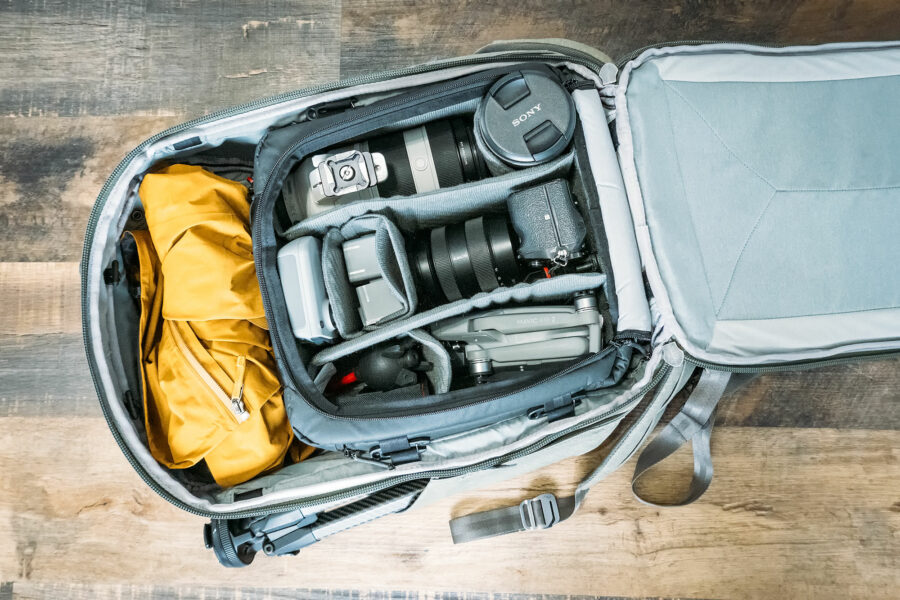
Padded clothing like jackets or hoodies can provide soft protection for your camera. Wrap your camera gently inside the padded part to reduce impact.
This method works well if you carry your camera in a backpack or tote. The padded fabric cushions the camera during movement.
- Use thick jackets or sweatshirts with extra padding
- Wrap the camera snugly to avoid shifting
- Combine with a small cloth to protect from scratches
Diy Protective Wraps
You can make your own camera wrap using bubble wrap, soft towels, or old scarves. These materials absorb shock and keep dust away.
Cut the material to fit your camera size. Wrap it tightly and secure with rubber bands or string. This keeps the camera safe in your bag.
- Bubble wrap cushions shocks well
- Soft towels protect from scratches
- Scarves provide lightweight dust protection
- Secure wraps with bands to avoid slipping
Lens Caps And Body Caps
Always use lens caps and body caps when traveling without a case. They keep dust and dirt out of your camera and lens.
These small covers protect delicate parts and prevent damage. They are easy to carry and save you from costly repairs.
- Place lens caps on both ends of the lens
- Attach the body cap when the lens is off
- Check caps are secure before packing
Credit: www.powder.com
Packing Techniques Without A Case
Traveling with a mirrorless camera without a case can be tricky. You need to protect your camera from bumps and scratches.
Using smart packing techniques keeps your camera safe inside your backpack. Let’s explore how to do this well.
Layering In Your Backpack
Place soft items like clothes at the bottom of your backpack. This creates a cushioned base for your camera.
Put the camera on top of soft layers. Then add more soft items around it to hold it in place.
- Use folded shirts or sweaters as padding
- Wrap the camera in a soft scarf or microfiber cloth
- Keep the camera in the middle of your backpack
Separating Camera From Other Items
Keep your camera away from sharp or heavy objects. These items can damage your camera during travel.
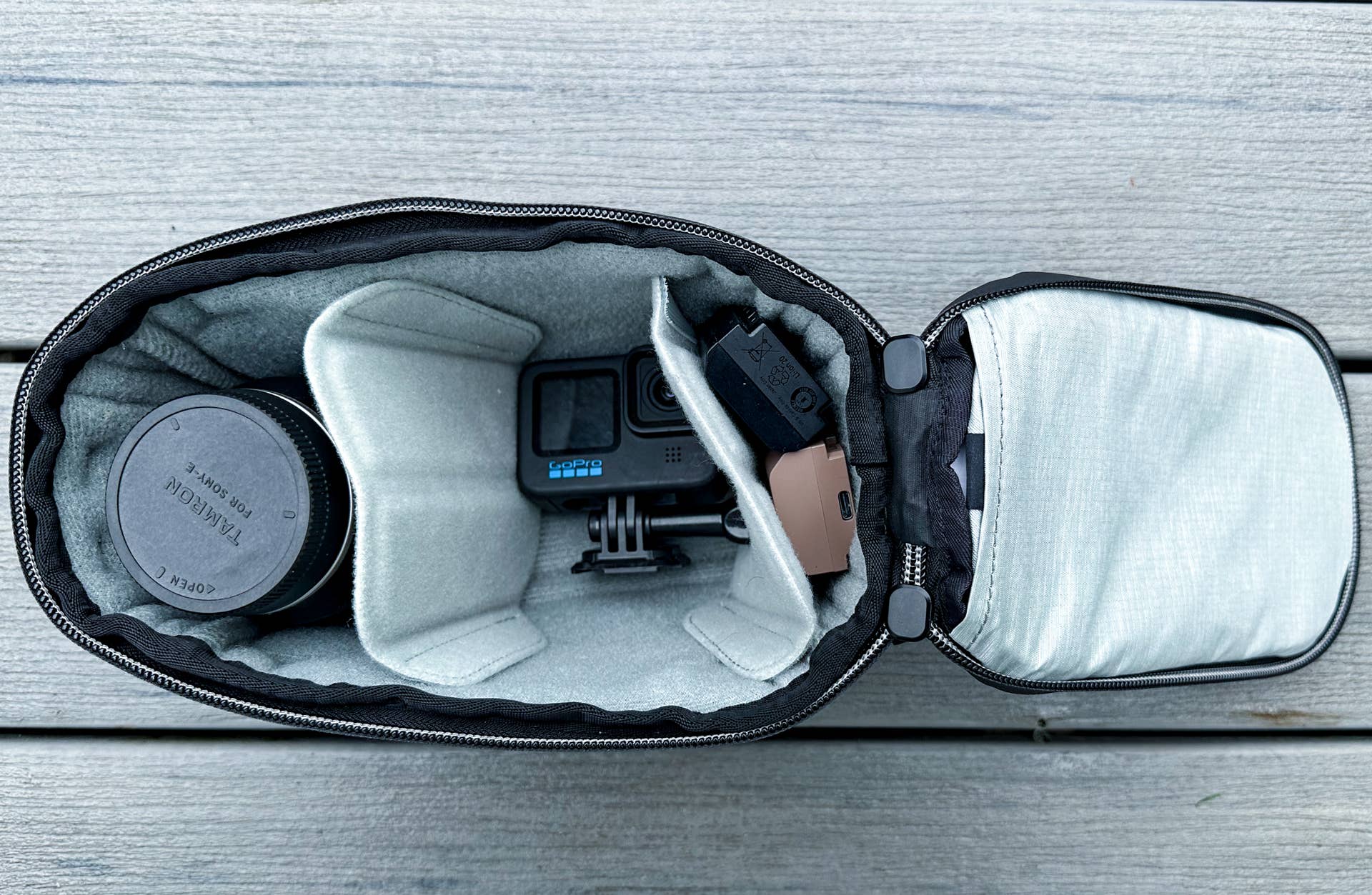
Use small bags or pouches to separate your camera. This adds an extra layer of protection.
- Store lenses and accessories in separate pouches
- Place fragile items apart from the camera
- Avoid placing heavy books or gear on top of the camera
Securing Straps And Cables
Loose straps and cables can catch or tangle inside your bag. Secure them to avoid damage.
Use small ties or rubber bands to bundle straps and cables neatly. This keeps them organized and safe.
- Wrap cables gently without bending
- Use Velcro straps or twist ties to hold cables
- Secure camera straps close to the camera body
Handling Your Camera On The Go
Traveling with a mirrorless camera without a case needs care. You must protect it from damage while keeping it easy to use.
This guide helps you handle your camera safely and access it quickly when you travel light.
Safe Carrying Practices
Hold your camera firmly to avoid dropping it. Use a strong strap around your neck or wrist.
Keep the camera close to your body to protect it from bumps. Avoid carrying it in loose bags without padding.
- Use a padded camera strap or wrist strap
- Hold the camera with both hands
- Keep it near your chest or side
- Avoid placing it in unprotected bags
- Cover the lens with a lens cap at all times
Quick Access Tips
Choose bags or pouches that allow fast camera removal. This helps you catch moments without delay.
Organize your gear for easy reach. Keep your camera ready and lens clean for quick shots.
- Use a small sling bag or crossbody bag
- Keep the camera on top for fast access
- Use a lens hood to protect the lens outdoors
- Keep extra batteries and memory cards handy
- Practice removing and storing your camera quickly
Protecting Against Environmental Factors
Traveling with a mirrorless camera without a case can be tricky. You need to protect it from rain, dust, and humidity. These environmental factors can damage your camera if you are not careful.
By following simple tips, you can keep your camera safe. Let’s explore easy ways to protect your gear outdoors.
Weatherproofing Tips
Always check the weather before you pack your camera. Use simple covers like rain sleeves or plastic bags to shield it from rain. Avoid exposing your camera to direct sunlight for long times.
Keep your camera dry by wiping it with a soft cloth if it gets wet. Carry a small microfiber towel to clean off water drops quickly. Use a lens hood to protect the lens from rain and glare.
- Use rain sleeves or plastic bags for rain protection
- Wipe moisture off your camera immediately
- Keep your camera out of direct sun for long
- Use a lens hood to block rain and light
- Store your camera in a dry place when not in use
Avoiding Dust And Moisture
Dust can scratch your lens and damage the camera parts. Keep your camera in a sealed bag or pouch when not in use. Clean your camera regularly with a blower brush to remove dust safely.
Humidity can cause fog inside the lens and damage electronics. Use silica gel packs in your camera bag to absorb moisture. Avoid opening your camera gear in dusty or humid places.
- Store camera in sealed bags or pouches
- Use a blower brush to clean dust gently
- Place silica gel packs to reduce moisture
- Do not open camera in dusty or wet areas
- Keep lens caps on when not shooting
Travel Gear To Complement Your Camera
Traveling with a mirrorless camera without a case needs smart gear. You want to keep your camera safe and easy to carry.
Using the right gear helps protect your camera and makes shooting on the go easier.
Compact Tripods
Compact tripods are small and light. They fit well in backpacks or carry bags. This makes them great for travel.
They help you take steady photos, even in low light. Many models fold down to a tiny size. Some weigh less than a pound.
- Look for tripods made of aluminum or carbon fiber for light weight
- Choose tripods with quick-release plates for fast setup
- Check that the tripod holds your camera’s weight securely
- Tripods with adjustable legs work well on uneven surfaces
Camera Straps And Harnesses
Camera straps keep your camera close and safe without a case. They let you carry your camera comfortably for hours.
Harnesses spread the camera’s weight across your shoulders. This reduces neck strain and makes long walks easier.
- Use padded straps for extra comfort
- Choose adjustable straps for a perfect fit
- Harnesses are good for heavy camera setups
- Quick-release connectors let you remove the camera fast
Frequently Asked Questions
How Can I Protect My Mirrorless Camera Without A Case?
You can use padded camera wraps or lens caps for protection. Keep the camera in a soft, secure bag with cushioning. Avoid placing heavy items on it, and handle it gently to prevent damage during travel.
Is It Safe To Travel With A Mirrorless Camera In A Backpack?
Yes, it is safe if you use padded compartments or inserts. Place the camera away from sharp objects and secure it to avoid movement. Use lens caps and clean the camera before packing.
What Are The Best Alternatives To A Camera Case?
Padded camera wraps, bubble wrap, or microfiber cloths work well. Use a dedicated camera compartment in a backpack for extra cushioning. Always cover the lens and body to prevent scratches and dust.
How To Prevent Lens Damage When Traveling Without A Case?
Always use a lens cap and keep the lens facing down. Store the camera in a soft, padded compartment or wrap. Avoid exposing the lens to dust, moisture, or impact during travel.
Conclusion
Traveling with a mirrorless camera without a case can be safe and simple. Use soft cloths or padded items to protect your gear. Keep the camera close and avoid crowded places. Always check your surroundings and handle your camera gently.
Small steps can prevent damage and keep your camera ready. Enjoy capturing memories without extra bulk or stress. Stay careful and creative while traveling light. Your camera will thank you.